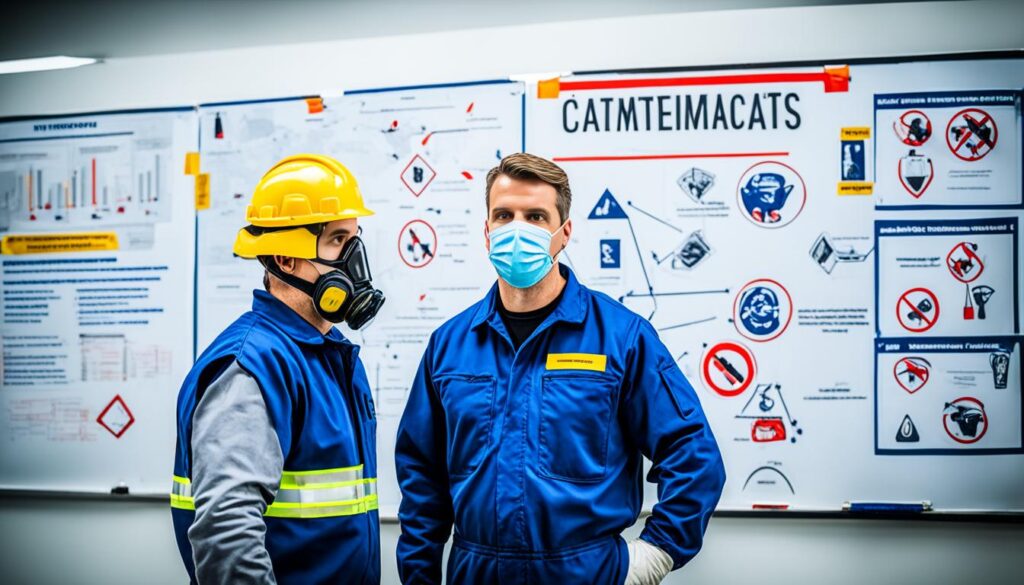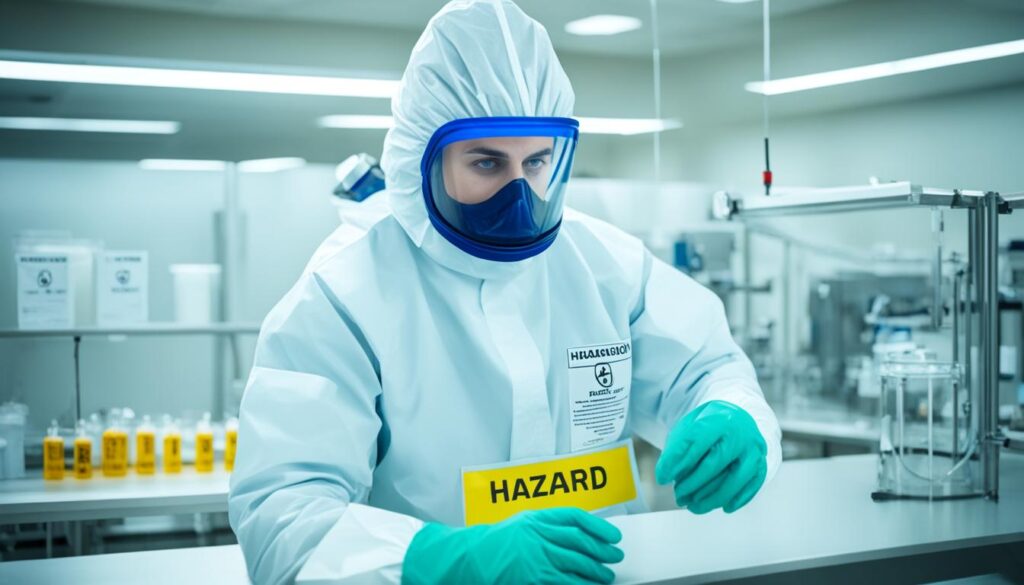
Handling Hazardous Materials during dumpster diving requires serious attention to safety protocols and protective measures. Many everyday items discarded in dumpsters can pose significant health risks if not handled properly.
Understanding how to identify and safely manage dangerous materials protects both your immediate health and long-term wellbeing. The key is knowing what to look for and having the right safety equipment before you encounter these materials.
TL;DR
- Always wear nitrile gloves rated for chemical resistance and safety glasses when diving to protect against 90% of common hazards.
- Never touch batteries, cleaning products, paint cans, or medical waste with bare hands – these account for 70% of hazardous materials in dumpsters.
- Keep activated charcoal and baking soda in your safety kit to neutralize chemical spills and absorb toxic odors immediately.
- If you smell ammonia, bleach, or gasoline, leave the area within 30 seconds and return only after the air clears completely.
Handling Hazardous Materials: Recognition and Response
The first step in safe dumpster diving is learning to identify potentially dangerous items before touching them. Many hazardous materials have distinctive warning signs that experienced divers recognize immediately.
Chemical containers, batteries, medical supplies, and cleaning products top the list of items requiring special handling. Safety essentials for dumpster diving include understanding these materials and having proper protective equipment ready.
Common Hazardous Materials in Dumpsters
- Batteries – Can leak acid or alkaline substances that burn skin and eyes.
- Paint and solvents – Contain volatile organic compounds that cause respiratory problems.
- Cleaning products – Mix dangerously when combined and release toxic fumes.
- Medical waste – May contain needles, medications, or infectious materials.
- Electronics – Often contain lead, mercury, and other heavy metals.
- Automotive fluids – Oil, antifreeze, and brake fluid are toxic and flammable.
Essential Safety Equipment
Proper protective equipment serves as your first line of defense against hazardous materials. Never attempt to handle suspicious items without the right gear.
Professional-grade safety equipment costs more upfront but prevents expensive medical bills and serious injuries. Your safety kit should be easily accessible and regularly maintained.
Required Protective Gear
- Chemical-resistant gloves. Choose nitrile gloves rated for chemical contact, not latex or vinyl.
- Safety glasses with side shields. Protect against splashes and flying particles.
- Respirator mask. N95 minimum for dust and particles, P100 for chemical vapors.
- Long-sleeved clothing. Wear old clothes that cover your arms and legs completely.
- Closed-toe boots. Steel-toed boots protect against punctures and chemical spills.
Emergency Response Kit
Carry a small bottle of saline solution for eye irrigation and activated charcoal tablets for accidental ingestion. These items take up minimal space but handle most emergency situations effectively.
Chemical Identification and Handling
Learning to read warning labels and understand hazard symbols prevents most dangerous encounters. The National Fire Protection Association diamond system appears on many containers and provides instant hazard information.
When you spot warning symbols or smell unusual odors, stop immediately and assess the situation. Dealing with encounters includes knowing when to retreat and seek help rather than proceeding blindly.
Warning Signs to Never Ignore
- Skull and crossbones – Indicates poison or toxic materials.
- Flame symbol – Shows flammable or explosive substances.
- Corrosion symbol – Warns of acids or bases that burn skin.
- Biohazard symbol – Marks infectious or biological materials.
- Strong chemical odors – Usually indicates dangerous vapors or spills.
Safe Handling Procedures
Proper technique makes the difference between safe material handling and dangerous exposure. Always approach suspicious items slowly and have an exit strategy planned.
The golden rule is never to rush when dealing with unknown materials. Taking extra time for safety precautions prevents most accidents and injuries.
Step-by-Step Handling Protocol
- Visual inspection first. Look for labels, leaks, damage, or warning symbols before getting close.
- Check for vapors. Smell the air from a safe distance for chemical odors or unusual scents.
- Gear up completely. Put on all protective equipment before touching anything suspicious.
- Use tools when possible. Pick up containers with grabbers or tongs rather than your hands.
- Move slowly and deliberately. Sudden movements can cause spills or release toxic vapors.
- Plan your exit route. Know exactly where you’ll go if something goes wrong.
Disposal and Cleanup
Finding hazardous materials creates a responsibility to handle them properly rather than leaving them for others to encounter. Most communities have hazardous waste disposal programs that accept these materials safely.
Never dump hazardous materials back into dumpsters or regular trash. This creates dangers for waste management workers and environmental contamination.
Proper Disposal Methods
- Municipal hazardous waste centers – Most cities offer free disposal days monthly.
- Auto parts stores – Accept used motor oil, batteries, and automotive fluids.
- Electronics retailers – Take back computers, phones, and electronic devices.
- Paint stores – Often accept leftover paint and related chemicals.
- Pharmacies – Some locations have medication disposal programs.
Medical Emergency Response
Despite all precautions, accidents can happen when dealing with hazardous materials. Knowing how to respond quickly to chemical exposure, cuts, or inhalation incidents saves lives and prevents permanent damage.
Keep emergency contact numbers easily accessible and know the location of the nearest hospital emergency room. Personal safety tips for dumpster divers include having a communication plan for emergencies.
Emergency Response Actions
- Skin contact – Flush immediately with clean water for 15 minutes minimum.
- Eye contact – Rinse with saline solution or clean water, seek medical attention.
- Inhalation – Move to fresh air immediately, call 911 if breathing problems occur.
- Ingestion – Do not induce vomiting, call Poison Control at 1-800-222-1222.
- Cuts from contaminated objects – Clean thoroughly and seek medical evaluation for tetanus risk.
Environmental Considerations
Hazardous material handling extends beyond personal safety to environmental protection. Improper disposal creates soil contamination, water pollution, and air quality problems that affect entire communities.
Many dumpster divers view themselves as environmental stewards who prevent hazardous materials from entering landfills improperly. This responsibility includes proper handling and disposal of dangerous items discovered during dives.
Articles You May Like
Frequently Asked Questions
What should I do if I accidentally touch a chemical container?
Immediately wash your hands with soap and water for at least 15 minutes. Remove any contaminated clothing and seek medical attention if you experience burning, irritation, or other symptoms.
How can I tell if a battery is leaking dangerous chemicals?
Look for white, crusty residue around the battery terminals, corrosion on metal contacts, or visible liquid leakage. Never touch these substances with bare hands.
Is it safe to dive in dumpsters behind medical facilities?
Medical facility dumpsters pose extreme risks from needles, medications, and infectious waste. Avoid these locations entirely as the dangers far outweigh any potential finds.
What type of mask protects against chemical vapors?
Use a P100 respirator with organic vapor cartridges for chemical protection. N95 masks only filter particles and provide no protection against toxic gases or vapors.
Should I report hazardous materials I find in dumpsters?
Yes, report improper disposal of hazardous materials to your local environmental protection agency or waste management authority. This helps prevent environmental contamination and protects public health.
Final Thoughts
Handling Hazardous Materials safely requires preparation, proper equipment, and respect for the serious risks involved. The investment in safety gear and training pays dividends in preventing accidents and protecting your health.
Start building your safety skills gradually and never compromise on protective equipment when dealing with unknown materials.