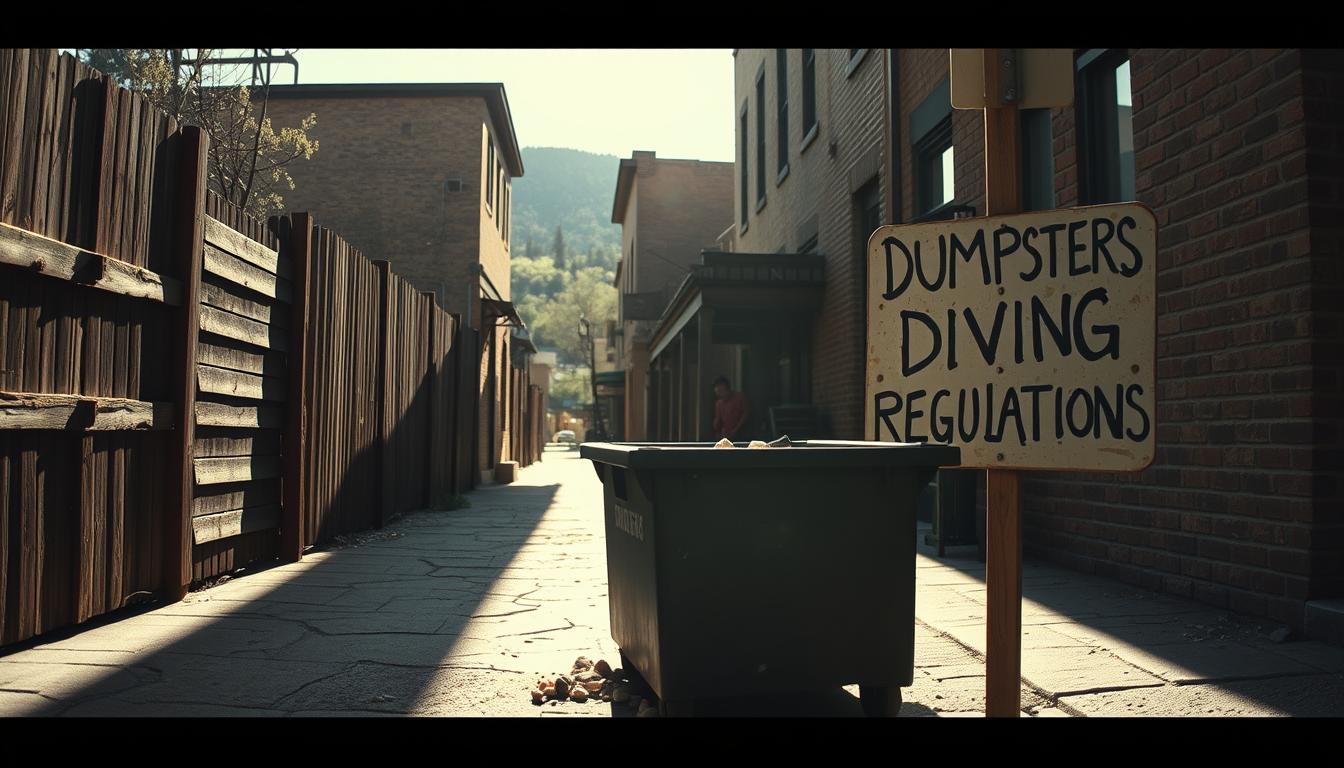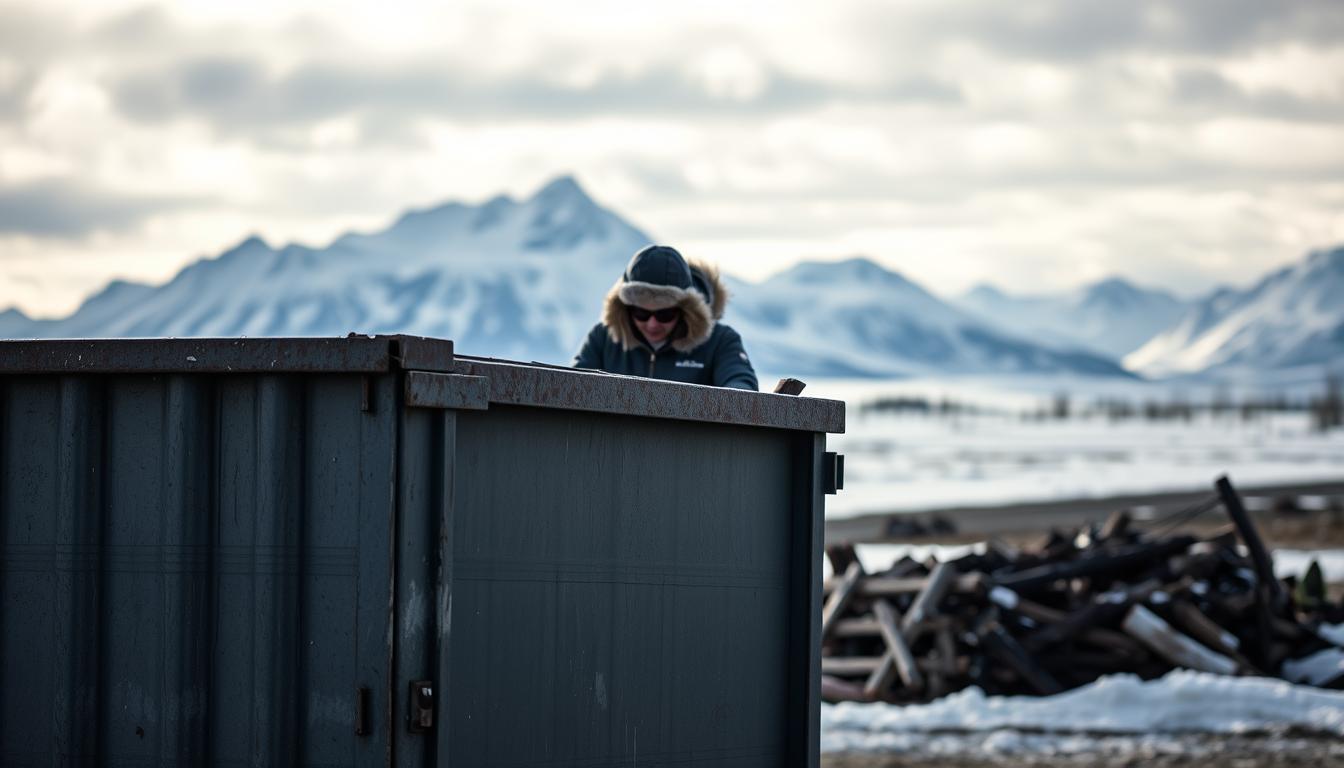
Is It Legal To Dumpster Dive In Alaska? The answer depends on where you’re diving and local ordinances, but Alaska generally allows dumpster diving on public property when trash is considered abandoned.
Alaska follows the federal principle that discarded items lose their ownership protection once placed for collection. However, diving on private property without permission remains trespassing, and many municipalities have specific rules about scavenging through waste containers.
TL;DR
- Alaska has no statewide ban on dumpster diving, following federal “abandoned property” laws.
- Anchorage Municipal Code 15.70.010 prohibits scavenging from waste containers without property owner consent.
- Fairbanks allows dumpster diving on public property but requires permission for private property access.
- Juneau permits diving in public areas but enforcement varies by neighborhood and complaint frequency.
Is It Legal To Dumpster Dive In Alaska State Laws
Alaska operates under the “abandoned property” doctrine established by the Supreme Court case California v. Greenwood. Once someone places trash at the curb or in a public dumpster for collection, they lose reasonable expectation of privacy and ownership rights to those items.
The state doesn’t have specific legislation prohibiting dumpster diving, leaving regulation to individual municipalities. This creates a patchwork of local rules that vary significantly between communities across Alaska’s vast territory.
Major City Regulations and Ordinances
Alaska’s largest cities each handle dumpster diving differently through local ordinances and enforcement policies. Understanding these variations helps you stay within legal boundaries while exploring potential finds.
Anchorage Municipal Rules
Anchorage Municipal Code Section 15.70.010 specifically addresses scavenging from waste containers. The ordinance prohibits removing materials from any waste container without written permission from the property owner or waste collection company.
Violations can result in fines up to $300 for first offenses, with repeat violations carrying higher penalties. The city actively enforces these rules, especially in commercial districts where business owners frequently report unauthorized dumpster access.
Fairbanks Borough Approach
Fairbanks North Star Borough takes a more lenient stance on public property diving. The borough allows scavenging from dumpsters located on public right-of-ways and municipal property, provided divers don’t create messes or safety hazards.
Private property diving requires explicit permission from property owners. The borough focuses enforcement on preventing scattered debris and maintaining public safety rather than blanket prohibition of diving activities.
Juneau City and Borough Guidelines
Juneau permits dumpster diving in public areas but requires divers to clean up after themselves and avoid creating disturbances. The city’s waste management department issues warnings before citations for first-time violations of cleanliness standards.
Commercial areas have stricter enforcement due to business owner complaints about liability and appearance concerns. Residential diving follows standard safety protocols with minimal city interference unless neighbors complain about noise or mess.
Federal Land and Military Base Restrictions
Alaska contains extensive federal lands where different rules apply to waste collection and diving activities. National parks, forests, and military installations maintain strict prohibitions on unauthorized access to waste facilities.
Military bases like Joint Base Elmendorf-Richardson enforce federal regulations that classify dumpster diving as unauthorized access to government property. Violations can result in federal charges and permanent base access restrictions.
- National Parks – Complete prohibition under federal park service regulations
- Military Bases – Federal trespassing charges for unauthorized waste access
- Forest Service Lands – Varies by specific forest and camping area regulations
- BLM Lands – Generally permitted unless specifically posted otherwise
Research Before You Dive
Always check local municipal codes online or call city offices before diving in new Alaska communities. Many smaller towns have unique ordinances that aren’t widely publicized but are actively enforced.
Trespassing Laws and Private Property
Alaska Statute 11.46.320 defines criminal trespass as entering or remaining on property without authorization. This applies directly to dumpster diving on private commercial or residential properties without explicit permission from owners.
Property owners can press charges for trespassing even if dumpsters sit near public areas. The key factor is whether the container sits on private property, not its proximity to public spaces or ease of access.
Business Property Considerations
Most Alaska businesses consider their dumpster areas private property regardless of fence presence or signage. Many retailers specifically prohibit diving through corporate policies and actively pursue trespassing charges against violators.
Large chain stores often have company-wide policies that guide their approach to dumpster diving incidents. Security cameras and regular patrols make business property diving particularly risky for legal consequences.
Best Practices for Legal Diving
Staying within Alaska’s legal boundaries requires understanding both state principles and local enforcement patterns. Following established protocols reduces legal risks while maximizing your diving success.
- Stick to public areas. Focus on dumpsters clearly located on public property or right-of-ways to avoid trespassing issues.
- Clean up thoroughly. Leave diving areas cleaner than you found them to prevent complaints and enforcement actions.
- Respect posted signs. Any “No Trespassing” or “No Scavenging” signs create clear legal boundaries regardless of property type.
- Time your visits appropriately. Early morning diving attracts less attention and avoids conflicts with business operations.
- Carry identification. Police encounters become smoother when you can quickly identify yourself and explain your activities.
Enforcement Patterns Across Alaska
Law enforcement approaches to dumpster diving vary dramatically across Alaska’s diverse communities. Urban areas tend toward stricter enforcement while rural communities often take more relaxed approaches to diving activities.
Police typically respond to complaints rather than actively patrolling for diving violations. Business owners and residents drive most enforcement actions through calls about suspicious activity or property concerns.
Rural vs Urban Differences
Small Alaska towns often have limited police resources and focus on serious crimes rather than diving violations. Many rural communities view diving as practical recycling behavior rather than problematic activity requiring enforcement.
Urban areas like Anchorage and Fairbanks have dedicated code enforcement officers who respond to diving complaints more aggressively. Higher population density creates more complaints and stricter enforcement of municipal ordinances.
Articles You May Like
Frequently Asked Questions
Can I dumpster dive at apartment complexes in Alaska?
Apartment complex dumpsters are typically on private property, making diving there trespassing without landlord permission. Most complexes have policies against non-resident dumpster access for liability reasons.
What happens if police catch me diving in Alaska?
Consequences depend on location and circumstances but typically range from warnings to trespassing citations with fines up to $500. Repeat violations or diving on clearly marked private property face stricter penalties.
Are there any Alaska cities that completely ban dumpster diving?
No Alaska cities have complete bans, but many restrict diving through scavenging ordinances and trespassing enforcement. Anchorage has the strictest rules requiring property owner permission for any waste container access.
Can I dive at construction sites in Alaska?
Construction site diving requires explicit contractor permission since these are active private work sites. Most contractors prohibit diving due to safety and liability concerns, making unauthorized access trespassing.
Final Thoughts
Is It Legal To Dumpster Dive In Alaska depends heavily on location, property type, and local enforcement policies. While state law doesn’t prohibit diving, municipal ordinances and trespassing laws create significant restrictions in practice.
Success requires researching local rules, respecting private property, and maintaining clean diving practices. Focus on public areas and always be prepared to explain your activities to law enforcement if approached.