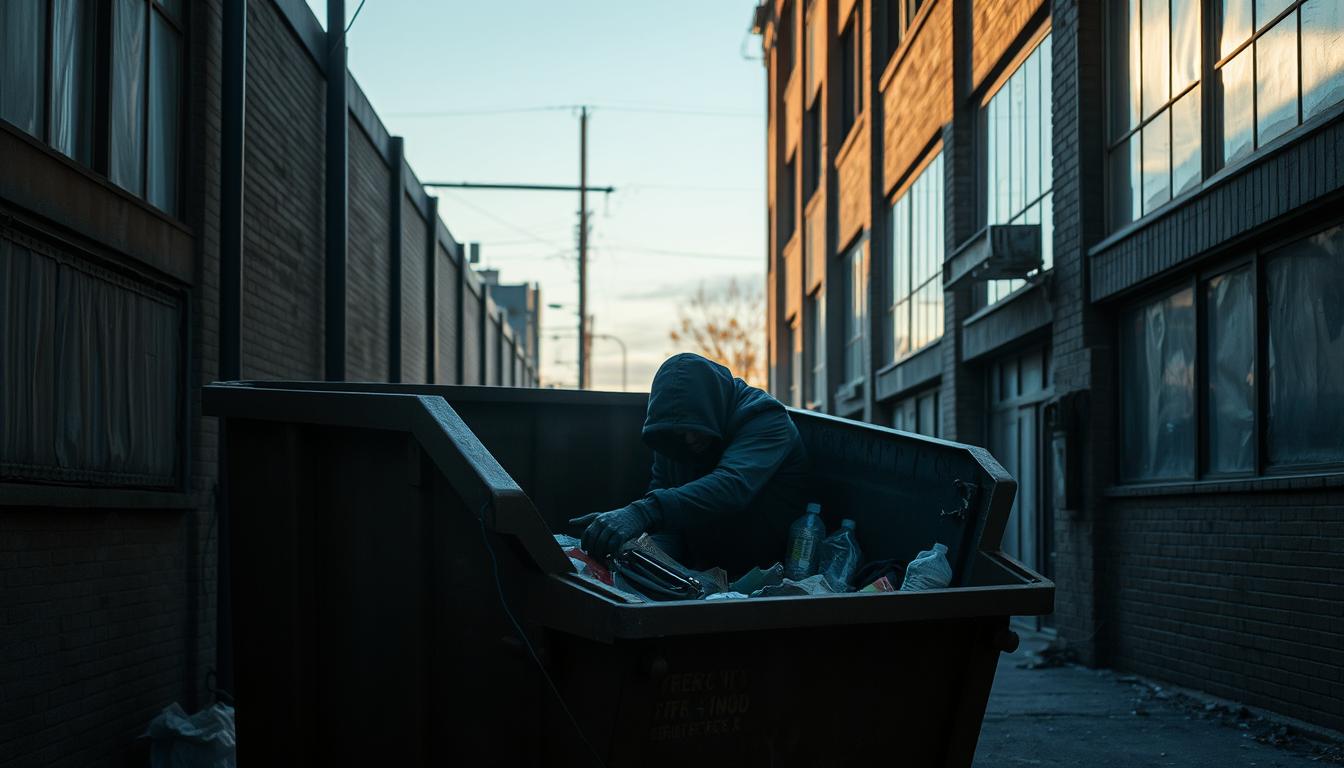
Is It Legal To Dumpster Dive In Arizona? The answer depends on where you dive and how you go about it. Arizona doesn’t have a specific statewide law banning dumpster diving, but local ordinances and property laws create important restrictions you need to know.
Understanding these rules helps you avoid legal trouble while finding valuable items that businesses throw away. Many Arizona cities have their own regulations about accessing dumpsters, especially on private property.
TL;DR
- Arizona has no statewide ban on dumpster diving, but local city ordinances vary significantly.
- Diving on private property without permission is considered trespassing and carries fines up to $2,500.
- Public dumpsters are generally legal to access, but Phoenix and Tucson have specific time restrictions.
- Always check local ordinances before diving – Scottsdale and Mesa have stricter rules than rural areas.
Is It Legal To Dumpster Dive In Arizona
Arizona follows the general principle that once trash hits a public dumpster, it becomes fair game. However, the location of the dumpster and local city rules determine what’s actually legal. Most successful divers focus on public areas and businesses that don’t explicitly prohibit the practice.
The state’s approach differs from places like California, where stricter regulations exist. Arizona gives more discretion to individual cities and counties to set their own policies.
Arizona State Laws on Dumpster Diving
No Arizona state statute specifically addresses dumpster diving as a standalone activity. The practice falls under existing property and trespassing laws instead. This creates a gray area that local jurisdictions fill with their own ordinances.
The key legal principle is property ownership. Once someone throws items away, they typically abandon ownership rights to those items. However, accessing the container itself might require permission from the property owner.
Property Rights and Trespassing
Arizona’s trespassing laws are the main legal concern for dumpster divers. Entering private property to access dumpsters without permission constitutes criminal trespass in the third degree. This misdemeanor carries fines up to $2,500 and possible jail time.
Business parking lots and apartment complexes count as private property even if they seem publicly accessible. Always look for “No Trespassing” signs and respect property boundaries.
Local City Ordinances
Arizona cities have varying approaches to dumpster diving regulations. Some are more permissive while others impose strict restrictions or outright bans.
- Phoenix – Allows dumpster diving on public property but restricts it between 10 PM and 6 AM in residential areas.
- Tucson – Permits the practice with time restrictions and requires divers to avoid creating messes.
- Scottsdale – Has stricter enforcement and considers most commercial dumpster diving as trespassing.
- Mesa – Allows diving but requires permission for dumpsters on private commercial property.
- Flagstaff – More lenient approach with fewer restrictions than larger cities.
Enforcement Patterns
Police enforcement varies dramatically across Arizona. Rural areas and smaller towns rarely prosecute dumpster diving cases unless other crimes are involved. Urban areas like Phoenix and Scottsdale have more active enforcement.
Most officers will ask you to leave rather than arrest you for a first offense. However, repeat violations or diving on clearly marked private property increases your chances of facing charges.
Research Before You Dive
Check your city’s website for specific ordinances before starting. Many Arizona cities post their municipal codes online with searchable databases.
Best Practices for Legal Diving
Following certain guidelines helps you stay within legal boundaries while dumpster diving in Arizona. These practices reduce your risk of legal problems and help maintain good relationships with local businesses.
- Stick to public areas. Focus on dumpsters clearly located on public property or with obvious public access.
- Ask permission when possible. Many business owners will grant access if you ask politely and explain what you’re doing.
- Respect posted signs. Never ignore “No Trespassing” or “Private Property” warnings.
- Clean up after yourself. Leave areas cleaner than you found them to maintain goodwill.
- Avoid residential areas. Focus on commercial and retail locations where policies are clearer.
Timing Your Dives
Daylight hours are generally safer from both legal and practical perspectives. Many cities restrict nighttime diving, and businesses are more likely to call police if they see someone around their property after hours.
Early morning right after trash pickup schedules often yields the best results. Check with local waste management companies to learn collection schedules in your target areas.
What You Can and Cannot Take
Arizona law doesn’t restrict what types of discarded items you can collect, but common sense and safety should guide your choices. Focus on items that are clearly abandoned and avoid anything that might contain personal information.
- Safe to take – Packaged food past sell-by dates, clothing, electronics, furniture, and retail merchandise.
- Avoid – Documents with personal information, prescription medications, and anything that looks hazardous.
- Use caution – Items from medical facilities, banks, or government buildings often have special disposal requirements.
Valuable Items in Arizona
Arizona’s retail and tourism economy creates opportunities for finding valuable discarded items. Electronics retailers, clothing stores, and restaurants frequently discard items that are still useful.
The state’s warm climate means outdoor gear and seasonal items cycle through retail locations regularly. Many divers focus on areas near major shopping centers and tourist destinations like Sedona and Scottsdale.
Safety Considerations
Arizona’s desert environment creates unique safety challenges for dumpster divers. High temperatures, wildlife, and terrain require extra precautions beyond typical urban diving concerns.
Summer temperatures can make dumpster diving dangerous during midday hours. Plan your activities for early morning or evening when temperatures are more manageable. Personal safety should always be your top priority.
Desert-Specific Hazards
Arizona’s wildlife includes scorpions, rattlesnakes, and javelinas that might seek shelter in or around dumpsters. Always use a flashlight and wear protective clothing even during daylight hours.
Dehydration happens quickly in Arizona’s dry climate. Bring plenty of water and take regular breaks, especially during summer months when temperatures exceed 100°F regularly. The CDC provides guidelines for preventing heat-related illness in extreme temperatures.
Articles You May Like
Frequently Asked Questions
Can I dumpster dive at Walmart in Arizona?
You can legally dive at Walmart locations on public property, but most Walmart stores post “No Trespassing” signs that make diving on their premises illegal. Check specific store policies and look for dumpsters located on public easements instead.
What happens if I get caught dumpster diving in Arizona?
First-time offenders usually receive a warning and are asked to leave. Repeat violations or diving on clearly marked private property can result in trespassing charges with fines up to $2,500.
Are there any Arizona cities that ban dumpster diving completely?
No Arizona cities have complete bans, but some like Scottsdale have strict enforcement that makes diving difficult. Most cities allow the practice with time restrictions and location limitations.
Do I need permission to dumpster dive behind businesses in Arizona?
Yes, if the dumpster is on private property. Business parking lots and loading areas are private property even if they appear publicly accessible. Always ask permission or stick to dumpsters clearly on public property.
What’s the best time to dumpster dive in Arizona?
Early morning between 6 AM and 10 AM works best. This avoids heat during summer months and complies with most city ordinances that restrict nighttime diving in residential areas.
Final Thoughts
Is It Legal To Dumpster Dive In Arizona comes down to following local rules and respecting property rights. The state’s hands-off approach means you need to research your specific city’s ordinances before diving.
Focus on public locations, ask permission when possible, and always prioritize safety in Arizona’s challenging desert environment. Start with a solid plan and you can dive legally while finding valuable items that would otherwise go to waste.