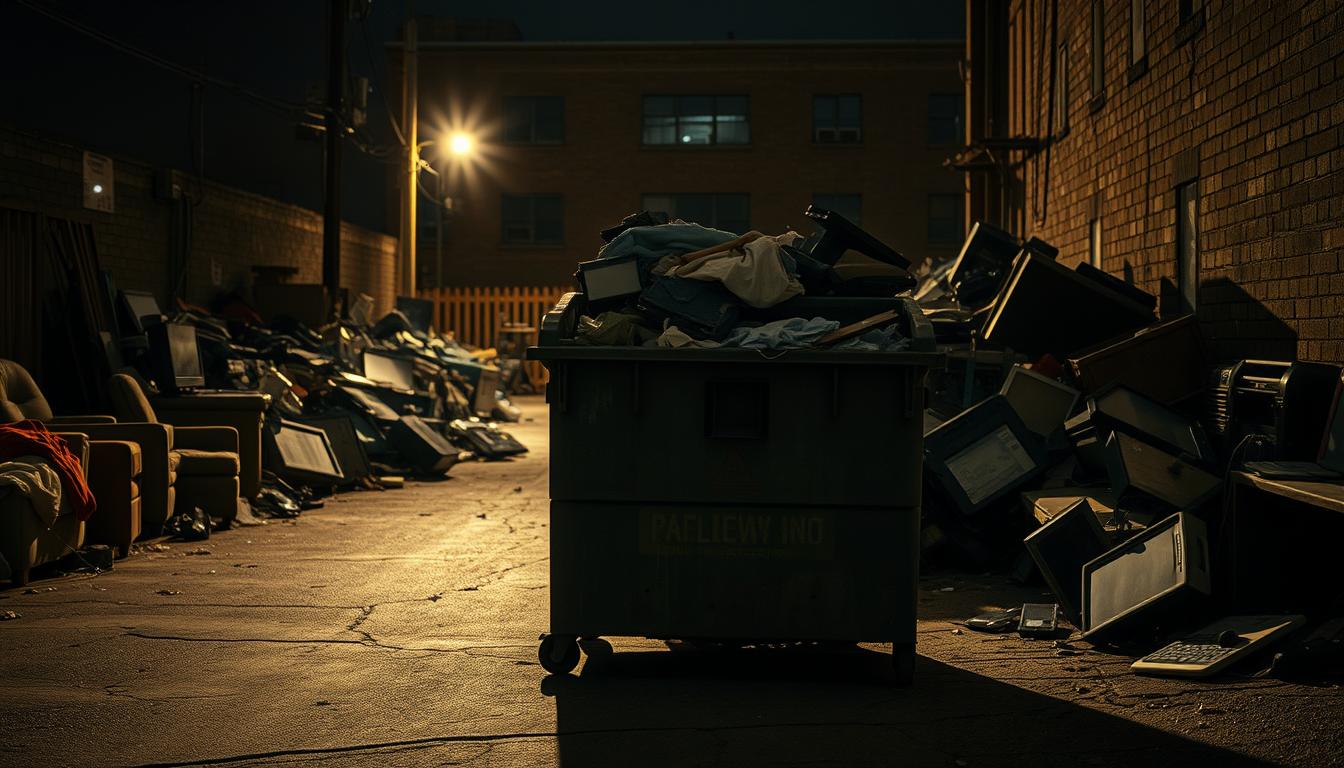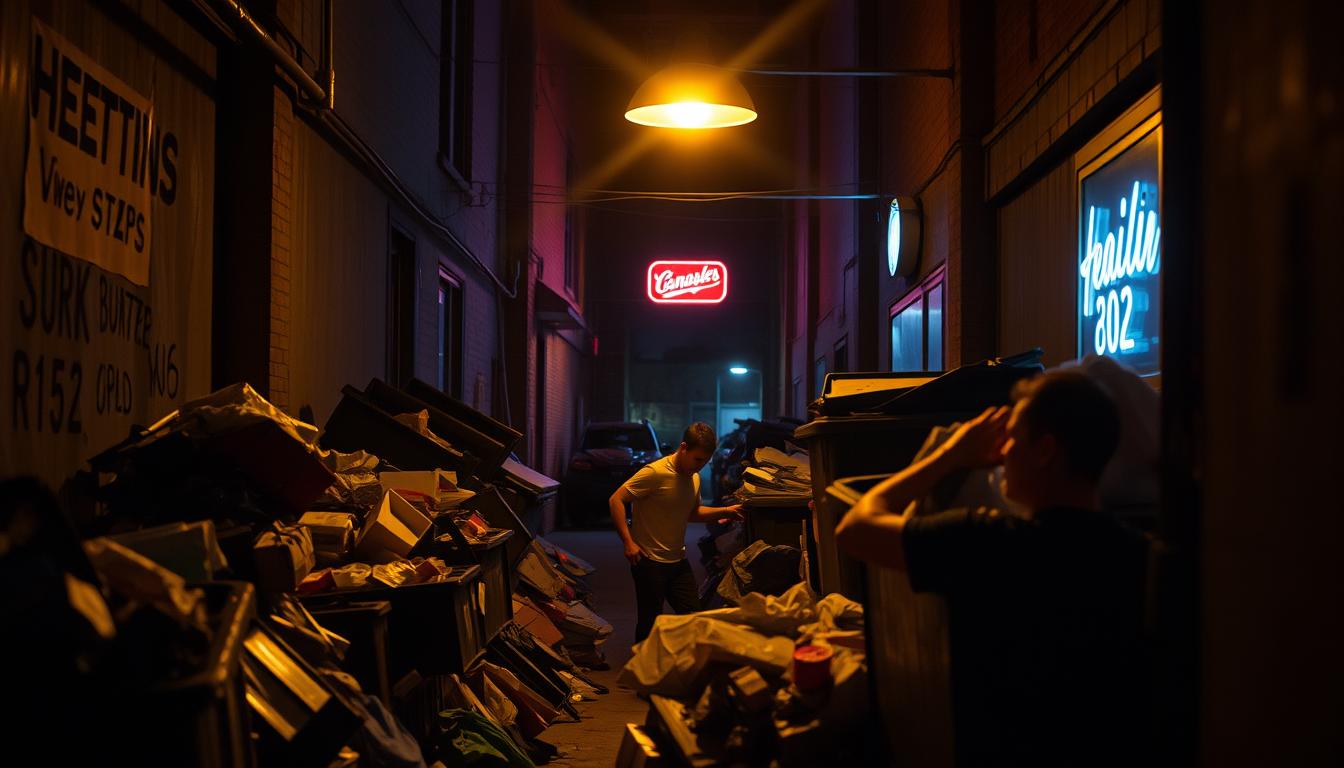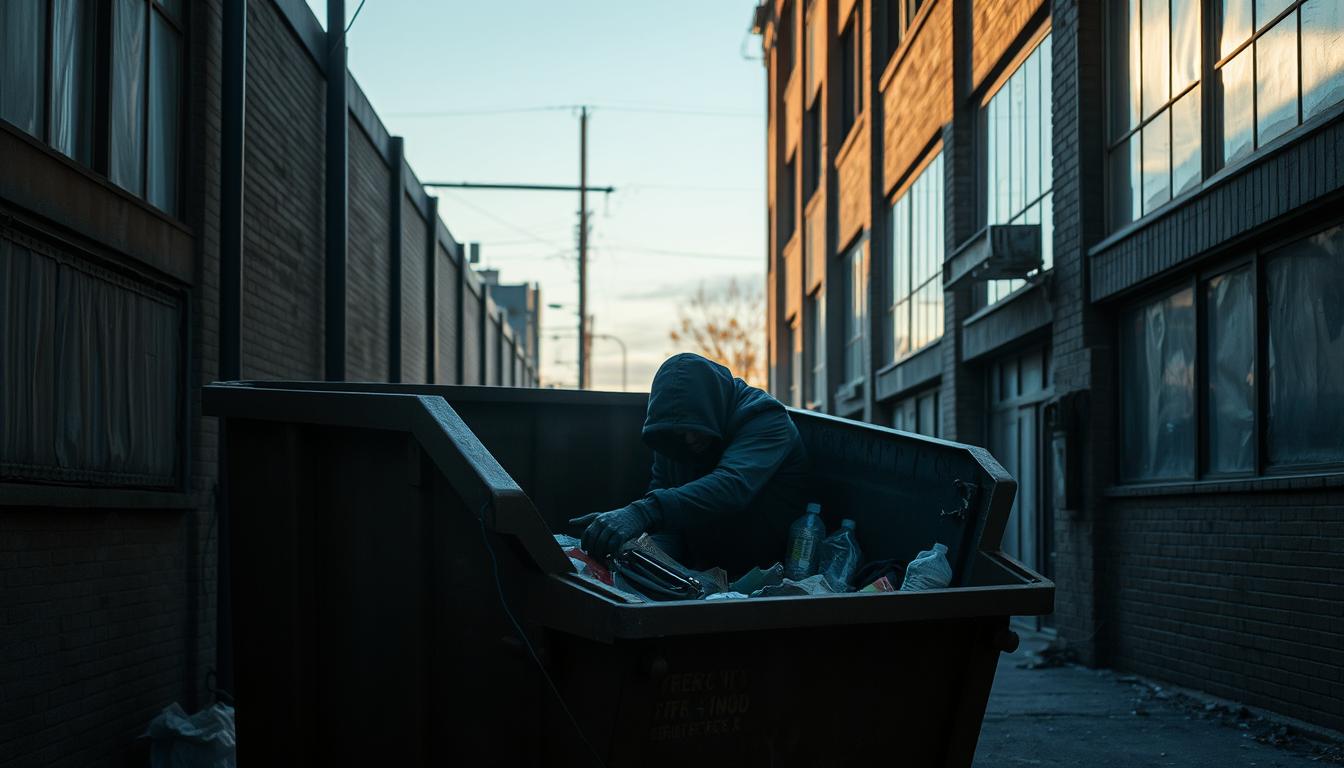
Is It Legal To Dumpster Dive In Idaho? The answer depends on where you dive and how you approach it. Idaho follows federal precedent that considers discarded items in public dumpsters as abandoned property, but local laws and private property restrictions can complicate things.
Understanding Idaho’s specific rules helps you avoid legal trouble while exploring this money-saving practice. Many people successfully dumpster dive in Idaho by following basic guidelines and respecting property boundaries.
TL;DR
- Idaho has no state law specifically banning dumpster diving in public areas or at curbside.
- Boise, Meridian, and Nampa require divers to stay off private property and avoid locked dumpsters.
- The 1988 California v. Greenwood Supreme Court case protects your right to search abandoned trash.
- Violating trespassing laws can result in fines up to $1,000 and 6 months in jail under Idaho Code 18-7008.
Is It Legal To Dumpster Dive In Idaho
Idaho operates under federal law when it comes to dumpster diving legality. The state has no specific statutes prohibiting the practice of searching through discarded items in dumpsters located on public property.
The 1988 Supreme Court case California v. Greenwood established that people have no reasonable expectation of privacy for items they discard in public trash receptacles. This ruling applies throughout Idaho and protects your right to examine abandoned property.
What Idaho Law Actually Says
Idaho Code focuses on trespassing and theft rather than directly addressing dumpster diving. You can legally dive as long as you avoid these violations:
- Trespassing – Entering private property without permission violates Idaho Code 18-7008.
- Theft – Taking items that aren’t truly abandoned could qualify as theft under Idaho Code 18-2403.
- Damage to Property – Breaking locks or damaging dumpsters violates Idaho Code 18-7001.
- Littering – Leaving a mess behind violates local ordinances in most Idaho cities.
Local City Ordinances in Major Idaho Areas
While Idaho state law allows dumpster diving, individual cities can create their own restrictions. Here’s what major Idaho cities require:
Boise Regulations
Boise allows dumpster diving on public property and at curbside locations. The city requires divers to avoid private property and respect “No Trespassing” signs.
Boise Municipal Code 6-01-10 prohibits scavenging from city-contracted waste collection vehicles. You must wait until garbage reaches the curb before collection begins.
Meridian and Nampa Rules
Both cities follow similar patterns to Boise with these key points:
- Public areas allowed – Dumpsters on public property are fair game.
- Private property restricted – Stay off business and residential private property.
- Clean up required – Leave the area cleaner than you found it.
- Business hours respected – Avoid diving during business operating hours.
Know Before You Go
Call your local city hall to ask about specific dumpster diving ordinances. Many Idaho cities post their municipal codes online where you can search for waste collection and scavenging rules.
Private Property Considerations
Most legal trouble comes from trespassing on private property rather than the diving itself. Idaho property owners have strong rights to exclude people from their land.
Shopping centers, apartment complexes, and business districts often post “No Trespassing” signs near their dumpsters. These signs create clear legal boundaries that you must respect.
Identifying Private vs Public Property
Learn to spot the difference between public and private dumpster locations:
- Check for signage. Posted signs clearly mark private property boundaries.
- Look for fencing. Enclosed dumpster areas usually sit on private property.
- Notice the location. Dumpsters behind businesses are typically on private land.
- Ask permission. When in doubt, contact the property owner or manager.
Safe and Legal Diving Practices
Following these guidelines keeps you within Idaho law while getting started with dumpster diving successfully:
- Stick to public areas – Focus on curbside pickup locations and public dumpsters.
- Dive during daylight – Nighttime diving raises suspicion and safety concerns.
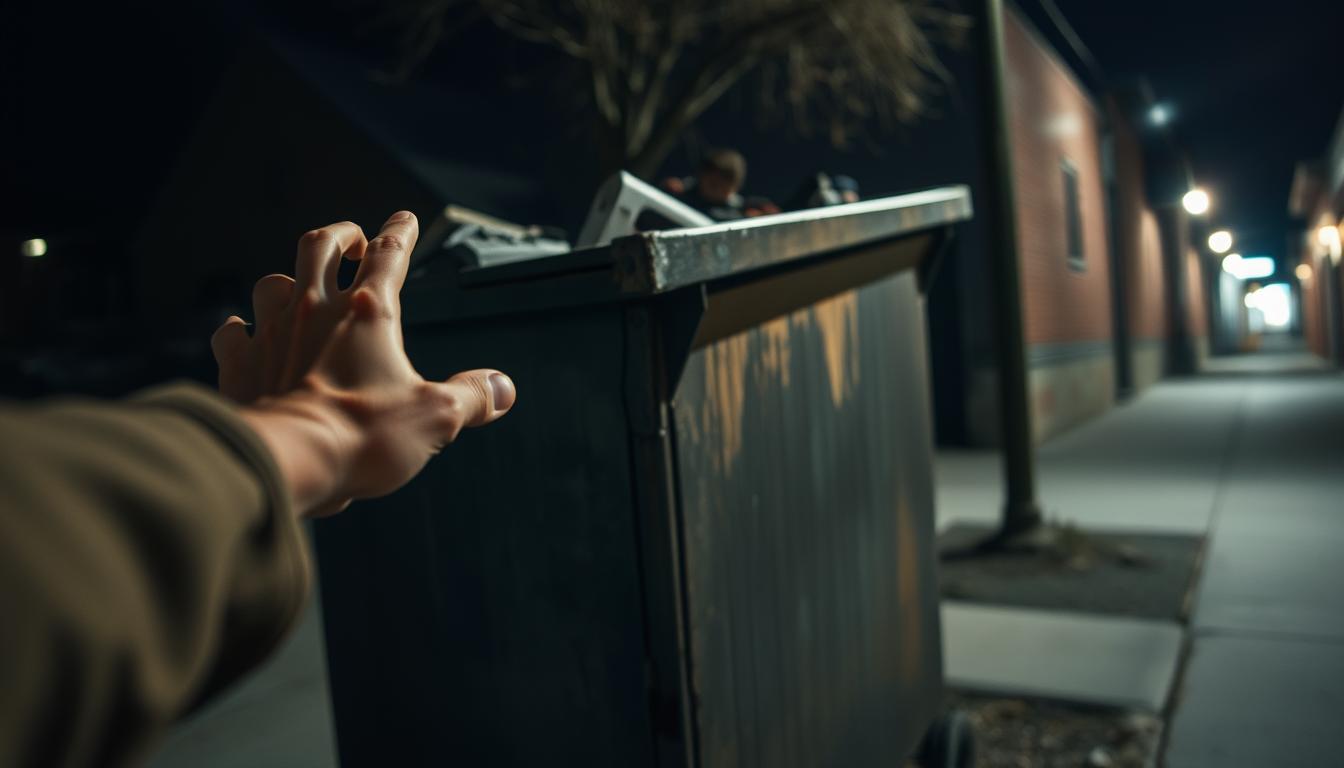
- Bring proper tools – Use grabbers and gloves instead of climbing into dumpsters.
- Leave no trace – Clean up any mess you create during your search.
- Respect locked containers – Never break locks or damage property to access dumpsters.
Consider nighttime vs daytime dumpster diving carefully, as many Idaho cities have noise ordinances that could create additional legal issues after dark.
Penalties for Violations
Idaho takes property crimes seriously, with clear penalties for violations:
- Criminal trespass – Up to 6 months in jail and $1,000 fine under Idaho Code 18-7008.
- Petit theft – Up to $1,000 fine for items valued under $1,000.
- Grand theft – Felony charges for items valued over $1,000.
- Property damage – Restitution plus fines depending on damage amount.
These penalties apply statewide, though some cities add additional fines for violating local ordinances.
Best Locations for Legal Diving
Focus your efforts on these legally safe locations throughout Idaho:
Residential Areas
Curbside trash collection offers the safest legal option. Wait until garbage reaches the public right-of-way before collection begins.
Apartment complexes sometimes place dumpsters on public property. Check property lines carefully and look for posted restrictions.
Public Spaces
Parks, rest stops, and public buildings often have dumpsters you can legally access. These locations typically offer less valuable finds but carry minimal legal risk.
College campuses represent excellent opportunities, especially during move-out periods. Idaho State University and University of Idaho both have public dumpster areas.
Articles You May Like
Frequently Asked Questions
Can police arrest me for dumpster diving in Idaho?
Police can arrest you for trespassing or theft, but not for dumpster diving itself on public property. Stay off private property and respect posted signs to avoid legal trouble.
Do I need permission to dive in public dumpsters?
No permission is required for dumpsters located on public property in Idaho. However, many dumpsters sit on private property where you do need permission from the owner.
What should I do if someone asks me to leave?
Leave immediately and politely when asked by property owners or law enforcement. Arguing or refusing to leave can escalate the situation into trespassing charges.
Are there items I cannot legally take from dumpsters?
Avoid anything that could contain personal information like mail, medical records, or financial documents. These items may have special legal protections even when discarded.
Can businesses ban me from their dumpsters?
Yes, businesses can restrict access to dumpsters on their private property through posted signs or verbal warnings. Ignoring these restrictions constitutes trespassing under Idaho law.
Final Thoughts
Is It Legal To Dumpster Dive In Idaho? Yes, when you follow state laws and respect private property rights. Focus on public dumpsters and curbside locations while avoiding trespassing violations.
Start with residential curbside diving to build your skills safely before exploring other locations. Remember that personal safety tips for dumpster divers matter just as much as legal compliance for successful diving experiences.