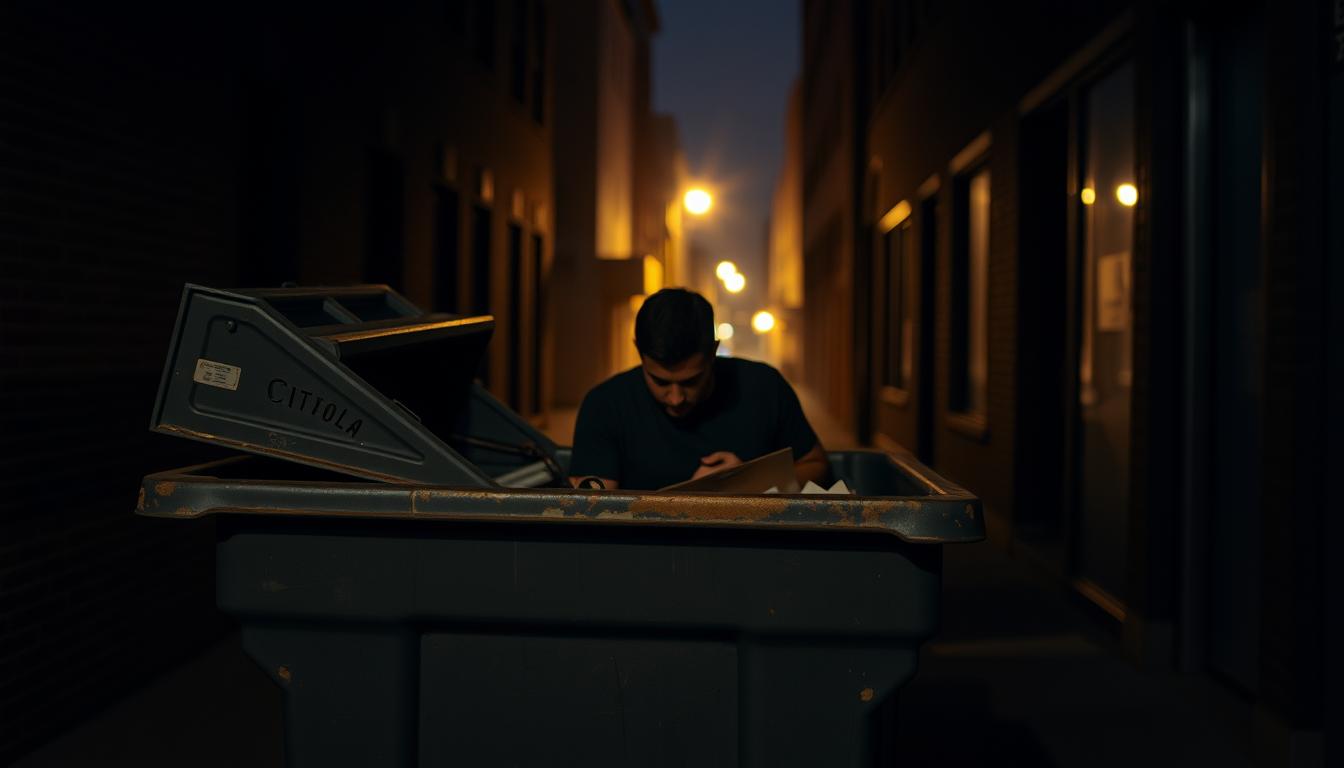
Is It Legal To Dumpster Dive In Florida? Yes, dumpster diving is generally legal in Florida under state law, but local city and county ordinances can restrict or prohibit the practice. Florida follows the federal principle that once trash is placed in a public area for collection, it’s considered abandoned property that anyone can legally claim.
However, the legality depends heavily on where you’re diving and local regulations. Many Florida cities have specific rules about scavenging, trespassing, and disturbing waste containers that can make dumpster diving illegal even when state law allows it.
TL;DR
- Florida state law allows dumpster diving, but over 50 cities have local ordinances restricting or banning it completely.
- Diving on private property without permission is always illegal trespassing, punishable by up to $500 in fines.
- Miami-Dade, Orlando, and Tampa have specific anti-scavenging laws with fines ranging from $50-$250 for violations.
- Best legal diving spots are public areas like street-side dumpsters placed for collection before 6 AM pickup times.
Is It Legal To Dumpster Dive In Florida State Law
Florida state law doesn’t specifically prohibit dumpster diving when done on public property. The state follows the “abandoned property” doctrine established by the U.S. Supreme Court case California v. Greenwood, which ruled that people have no reasonable expectation of privacy in trash placed for collection.
This means once garbage bags or items are placed in dumpsters on public streets or right-of-ways, they’re legally considered abandoned. However, this state-level permission doesn’t override local municipal laws that can be much more restrictive.
Local Ordinances That Override State Law
Most Florida cities and counties have enacted specific ordinances that limit or completely ban dumpster diving. These local laws take precedence over state regulations and carry real penalties for violations.
Cities With Anti-Scavenging Laws
- Miami-Dade County – Prohibits removing items from any waste container with fines up to $250.
- Orlando – Bans scavenging from dumpsters and recycling bins with $75 penalties.
- Tampa – Restricts diving within city limits, focusing on health and safety violations.
- Jacksonville – Requires permits for waste collection and prohibits unauthorized removal.
- Fort Lauderdale – Complete ban on dumpster diving with trespassing charges possible.
Before diving in any Florida city, check the local municipal code online or call the city clerk’s office. Many cities post their ordinances on official websites under “Code of Ordinances” sections.
Private Property Restrictions
Dumpster diving on private property is always illegal in Florida, regardless of local ordinances. This includes shopping centers, apartment complexes, office buildings, and retail stores where dumpsters sit on private land.
Even if a dumpster is easily accessible, entering private property to reach it constitutes criminal trespassing under Florida Statute 810.08. Diving at major retailers like Walmart requires staying on public property and only accessing containers placed for street collection.
Trespassing Penalties
- First offense. Misdemeanor charge with up to $500 fine and 60 days in jail.
- Repeat offenses. Escalating fines and potential criminal record impacts.
- Aggravated trespassing. Felony charges if weapons are involved or property damage occurs.
Legal Safety Tip
Always research local ordinances before diving in new Florida cities. Many municipalities post their codes online, and a quick search can save you from expensive fines or legal trouble.
Where You Can Legally Dive
Legal dumpster diving in Florida requires finding the right locations where both state law allows it and local ordinances don’t prohibit it. Focus on public areas where trash has been clearly abandoned for collection.
Legal Diving Locations
- Street-side containers – Dumpsters placed on public streets for scheduled pickup.
- Public right-of-ways – Areas between private property lines and public streets.
- Unincorporated areas – Rural locations outside city limits with fewer restrictions.
- College campuses – Public university dumpsters during move-out periods (check campus rules).
The key is ensuring you’re not stepping onto private property to access containers. Scouting good locations takes time but helps you avoid legal problems while finding valuable items.
Best Practices For Legal Diving
Following certain guidelines helps you stay within legal boundaries while dumpster diving in Florida. These practices also improve your safety and success rate.
Legal Diving Guidelines
- Check local laws first. Research municipal codes before diving in any new area.
- Stay on public property. Never cross into private parking lots or business grounds.
- Dive during collection days. Focus on times when trash is clearly abandoned for pickup.
- Avoid gated areas. Don’t climb fences or bypass security measures to reach dumpsters.
- Respect no trespassing signs. These signs make trespassing laws crystal clear.
Remember that being technically legal doesn’t protect you from police questioning or business owner complaints. Staying safe while diving includes understanding your rights and remaining respectful of property owners.
What Happens If You’re Caught
Getting caught dumpster diving in Florida can result in various penalties depending on the specific violation and local laws. Understanding potential consequences helps you make informed decisions about where and when to dive.
Common Penalties
- Scavenging violations – $50-$250 fines in cities with anti-diving ordinances.
- Trespassing charges – $500 fines and up to 60 days jail time for first offenses.
- Littering citations – Additional $50-$150 fines if you scatter trash while diving.
- Disturbing the peace – Misdemeanor charges if diving creates public disturbances.
Police often issue warnings for first-time offenders in areas with unclear regulations. However, repeat violations or diving in areas with clear prohibitions typically result in citations or arrests.
Articles You May Like
Frequently Asked Questions
Can I dumpster dive behind stores in Florida?
Only if the dumpster is on public property and local laws allow it. Most store dumpsters sit on private property, making access illegal trespassing regardless of state law.
Do I need permission to dumpster dive in Florida?
No permission is required for diving on public property where it’s legal. However, private property diving always requires explicit permission from the property owner.
What cities in Florida ban dumpster diving completely?
Miami-Dade, Fort Lauderdale, and several other municipalities have complete bans. Check your specific city’s municipal code for current restrictions.
Is dumpster diving at apartments legal in Florida?
Apartment complex dumpsters are typically on private property, making diving there illegal trespassing. Stick to dumpsters placed on public streets for collection.
Can police arrest me for dumpster diving in Florida?
Yes, if you’re trespassing on private property or violating local anti-scavenging ordinances. Always research local laws before diving in new areas.
Final Thoughts
Is It Legal To Dumpster Dive In Florida depends entirely on your specific location and how you approach the activity. While state law generally allows it, local restrictions make research essential before diving anywhere.
Start by checking your city’s municipal code and focus on clearly abandoned trash in public areas. Getting started safely means understanding both the legal landscape and practical safety considerations that make diving successful and legal.