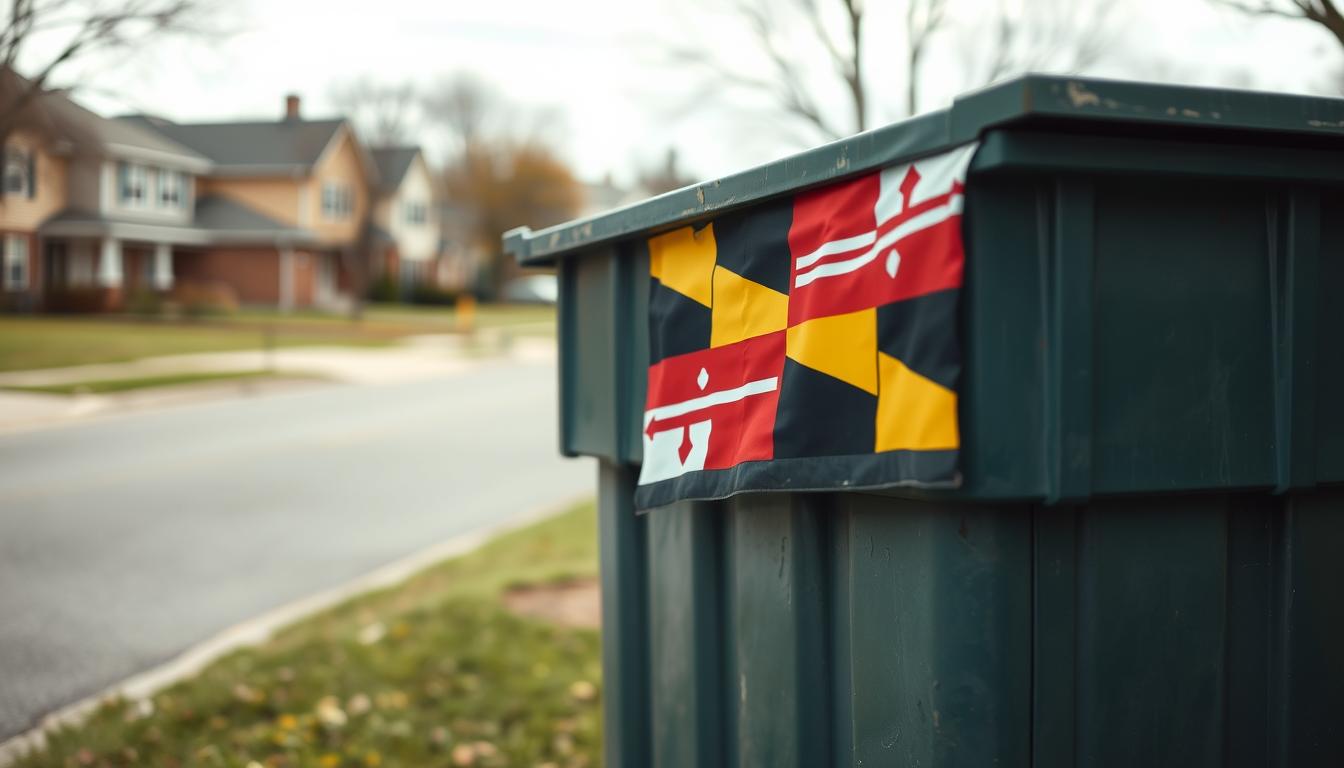
Is It Legal To Dumpster Dive In Minnesota? The answer depends on several factors including local ordinances, property ownership, and how you access the dumpsters. Minnesota follows federal precedent that generally allows dumpster diving on public property, but many cities have their own restrictions.
Understanding the legal landscape before you start diving can save you from fines, trespassing charges, or confrontations with property owners. Let’s break down everything you need to know about dumpster diving laws in the Land of 10,000 Lakes.
TL;DR
- Minnesota has no statewide ban on dumpster diving, but over 15 major cities including Minneapolis and Saint Paul have local restrictions.
- Dumpster diving on private property without permission is considered trespassing and can result in fines up to $1,000.
- Public dumpsters in parks, rest stops, and municipal areas are generally legal to search during daylight hours.
- Always check your specific city ordinances – penalties range from $50 warnings to $500+ fines depending on location.
Is It Legal To Dumpster Dive In Minnesota
Minnesota state law doesn’t explicitly prohibit dumpster diving, which means the practice falls into a legal gray area governed by local municipalities. The state follows the federal California v. Greenwood Supreme Court decision, which ruled that people have no reasonable expectation of privacy for items they discard in public dumpsters.
However, this doesn’t give you free rein to dive anywhere you want. Local cities and counties across Minnesota have enacted their own ordinances that can make dumpster diving illegal in specific areas or under certain circumstances.
Minnesota Cities with Dumpster Diving Restrictions
Many Minnesota cities have passed ordinances that restrict or ban dumpster diving within city limits. These local laws typically cite public health, safety, and nuisance concerns as reasons for the restrictions.
Minneapolis
Minneapolis prohibits scavenging from dumpsters on private property without written permission from the property owner. The city defines this as a misdemeanor offense with fines starting at $200.
Saint Paul
Saint Paul has similar restrictions and considers unauthorized dumpster diving a petty misdemeanor. First-time offenders typically receive warnings, but repeat violations can result in fines up to $300.
Duluth
Duluth allows dumpster diving in designated public areas but prohibits it near residential properties and commercial districts during business hours. Violations carry fines between $50-$150.
Check Before You Dive
Call your city’s non-emergency line or visit their website to ask about local dumpster diving ordinances. Many cities post these regulations online under waste management or municipal codes.
Legal vs. Illegal Dumpster Diving Scenarios
Understanding where and when you can legally dive makes the difference between a successful treasure hunt and a costly citation. Here are the key scenarios to know:
Generally Legal Situations
- Public dumpsters – Municipal waste containers in parks, rest areas, and public buildings
- Curbside collection – Items placed for pickup on public streets (check local collection day rules)
- With permission – Any location where you have explicit written consent from the property owner
- Abandoned areas – Truly abandoned properties with no current owner (rare and requires verification)
Generally Illegal Situations
- Private property – Any dumpster on private land without permission
- Gated or fenced areas – Locations requiring trespassing to access
- Posted areas – Properties with “No Trespassing” or similar signs
- Business hours – Many ordinances prohibit diving during active business operations
Trespassing Laws and Property Rights
Minnesota’s trespassing laws play a major role in dumpster diving legality. Even if diving itself isn’t banned, accessing dumpsters on private property without permission violates state trespassing statutes.
Minnesota Statute 609.605 defines criminal trespass as entering or remaining on property without consent. This applies to parking lots, behind stores, apartment complexes, and any area where dumpsters sit on private land.
Penalties for Trespassing
- First offense: Misdemeanor with fines up to $1,000 and potential jail time up to 90 days
- Repeat offenses: Enhanced penalties and possible felony charges in extreme cases
- Property damage: Additional charges if you damage locks, gates, or containers while accessing dumpsters
Best Practices for Legal Dumpster Diving
Following these guidelines helps you stay within legal boundaries while maximizing your chances of finding valuable items:
- Research local laws – Check city ordinances before diving in new areas
- Stick to public spaces – Focus on municipal dumpsters and curbside collection
- Dive during daylight – Many restrictions apply specifically to nighttime activities
- Don’t make a mess – Clean up after yourself to avoid littering citations
- Respect posted signs – Never ignore “No Trespassing” warnings
- Ask permission – When in doubt, contact property owners directly
Smart divers also carry a flashlight, wear gloves for safety, and keep copies of relevant local ordinances on their phones. This preparation helps you understand your rights if questioned by law enforcement.
What to Do If Approached by Police
If police approach you while dumpster diving in Minnesota, stay calm and cooperate fully. Know your rights but don’t argue about legality in the moment.
Be honest about what you’re doing and show that you understand local laws. Many officers will simply ask you to move along if you’re not clearly breaking any rules.
Your Rights During Police Contact
- Ask if you’re free to leave – You’re not required to stay unless you’re being detained
- Provide identification – Minnesota requires you to identify yourself if lawfully detained
- Don’t consent to searches – Police need probable cause to search your belongings
- Request citation details – If cited, ask for specific ordinance violations
Articles You May Like
Frequently Asked Questions
Can I dumpster dive at retail stores in Minnesota?
Only with permission from the store owner, as most retail locations sit on private property. Can You Dumpster Dive at Target explains the legal considerations for major retailers.
Are there specific times when dumpster diving is more legal?
Many Minnesota cities restrict diving during nighttime hours or business operations. Daytime diving in public areas typically faces fewer restrictions.
What happens if I get caught diving on private property?
You could face trespassing charges with fines up to $1,000 and possible jail time. Property owners may also ban you permanently from their premises.
Can apartment complexes prevent dumpster diving?
Yes, apartment complex dumpsters sit on private property and diving there without permission violates both trespassing laws and likely lease agreements.
Do I need permits to dumpster dive in Minnesota?
No permits are required, but you must follow all local ordinances and property laws. Check with your specific city for any registration or notification requirements.
Final Thoughts
Is It Legal To Dumpster Dive In Minnesota depends heavily on where you dive and which local laws apply in your area. While state law doesn’t ban the practice, many cities have restrictions that can result in significant fines.
Focus on public dumpsters, respect private property, and always check local ordinances before starting. Your First Dive: A Step-by-Step Guide to Getting Started with Dumpster Diving provides additional safety and legal tips for beginners.