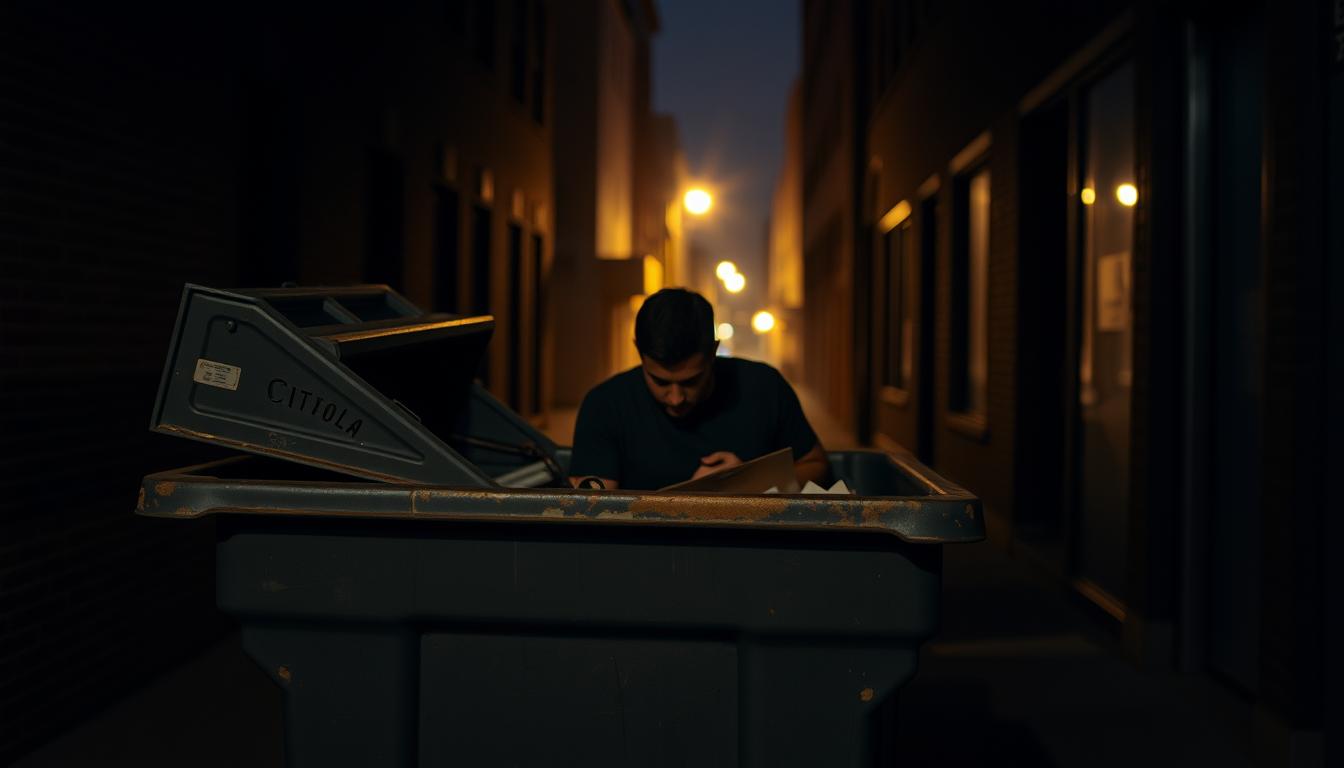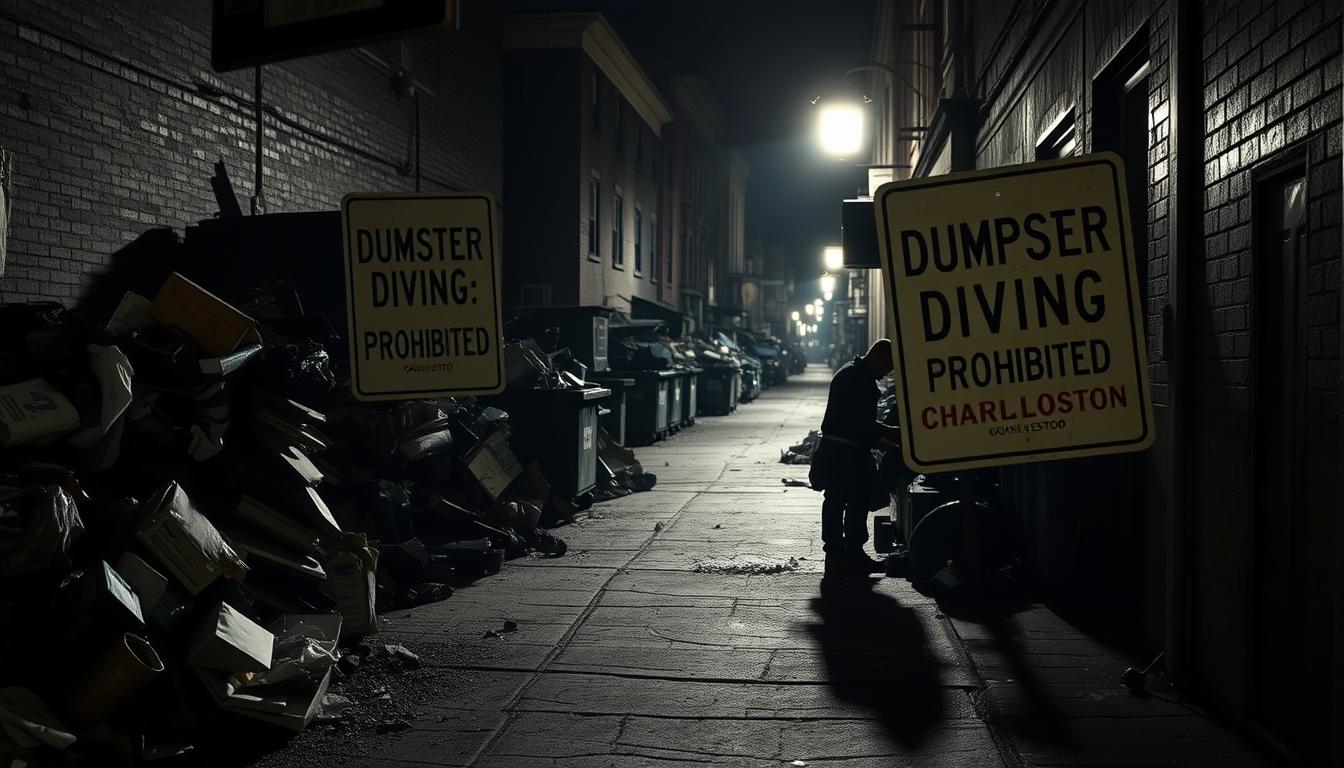
Is It Legal To Dumpster Dive In Montana? The answer depends on where you’re diving and whether you’re following local laws. Montana doesn’t have a specific state law banning dumpster diving, but individual cities and property owners can set their own rules.
Understanding Montana’s dumpster diving laws helps you avoid legal trouble while finding valuable items. Most issues arise from trespassing or ignoring local ordinances rather than the act of dumpster diving itself.
TL;DR
- Montana has no statewide ban on dumpster diving, but local cities can create their own restrictions.
- Dumpster diving on private property without permission counts as trespassing and can result in fines up to $500.
- Public dumpsters in cities like Billings and Missoula may have specific time restrictions or permit requirements.
- Always check with local police departments before diving in new areas to understand current regulations.
Is It Legal To Dumpster Dive In Montana
Montana follows the federal principle that trash becomes public property once it reaches the curb for collection. This means you can legally access discarded items in most situations without breaking state law.
The main legal issues come from where you’re diving and how you access the dumpster. Private property rules apply even to dumpsters, so you need permission from property owners before diving on their land.
State Law Framework
Montana’s legal system treats dumpster diving under existing property and trespassing laws rather than specific waste collection statutes. The state considers abandoned property fair game for recovery once it’s properly discarded.
Key legal considerations include:
- Property rights – Dumpsters on private land remain off-limits without permission
- Public access – Curbside containers become accessible once collection begins
- Local ordinances – Cities can add restrictions beyond state law
- Safety regulations – Some areas prohibit diving for health reasons
City-Specific Regulations
Major Montana cities have different approaches to dumpster diving regulation. Billings and Missoula tend to have more restrictions than smaller rural communities.
Billings
Billings requires permits for commercial waste collection activities and restricts access to certain industrial areas. The city doesn’t specifically ban individual dumpster diving but enforces trespassing laws strictly.
Contact Billings Police Department at (406) 657-8200 for current regulations before diving in commercial districts.
Missoula
Missoula focuses on safety and sanitation concerns rather than outright bans. The city prohibits diving in medical waste containers and restricts access during certain hours near residential areas.
Great Falls
Great Falls takes a hands-off approach to individual dumpster diving while maintaining strict rules for commercial waste operations. The city emphasizes property rights and trespassing prevention.
Legal Risks and Penalties
The most common legal issues Montana dumpster divers face involve trespassing charges rather than theft accusations. Understanding these risks helps you dive safely and legally.
Potential legal consequences include:
- Trespassing citations. Fines range from $25 to $500 depending on the jurisdiction and circumstances.
- Disturbing the peace. Charges may apply if diving creates noise complaints or public disturbances.
- Health code violations. Some areas prohibit diving near food service establishments for sanitation reasons.
- Property damage. You’re liable for any damage caused while accessing or searching dumpsters.
Safe and Legal Diving Practices
Following proper procedures keeps you within Montana law while maximizing your diving success. Focus on public areas and clearly abandoned items to avoid legal complications.
Best practices for legal diving:
- Stick to curbside containers – Wait until trash reaches public collection areas
- Avoid private property – Don’t climb fences or enter restricted areas
- Check local laws first – Call city offices before diving in new locations
- Respect posted signs – Honor no trespassing and private property warnings
- Time your visits – Dive during daylight hours when possible to avoid suspicion
Legal Protection Tip
Carry a printed copy of your local ordinances and state laws when diving. Having documentation helps if police question your activities and shows you’re following proper procedures.
Recommended Diving Locations
Certain locations in Montana offer better legal protection and higher success rates for dumpster diving. Focus on areas with clear public access and established diving communities.
Prime legal diving spots include:
- College campuses – End-of-semester cleanouts on public property
- Apartment complexes – Curbside collection areas with manager permission
- Public events – Festival and fair cleanup areas after official collection begins
- Retail strip malls – Loading dock areas accessible from public sidewalks
Building Relationships with Property Owners
Getting permission from property owners eliminates most legal risks in Montana dumpster diving. Many business owners appreciate help with waste reduction and will grant access to responsible divers.
Approach property owners professionally and explain how diving benefits them through reduced waste disposal costs. Scouting the best dumpster locations becomes easier when you have established relationships with local businesses.
Permission Request Tips
When asking for diving permission, emphasize safety and cleanliness. Offer to clean up any mess and share interesting finds that might benefit their business.
Effective permission strategies:
- Visit during slow business hours. Approach managers when they have time to discuss your request properly.
- Bring references. Show examples of your responsible diving practices from other locations.
- Offer value. Suggest ways diving helps their waste management or community relations.
- Set clear boundaries. Agree on specific times, areas, and safety requirements upfront.
Articles You May Like
Frequently Asked Questions
Can I dumpster dive at night in Montana?
Montana doesn’t prohibit nighttime diving statewide, but many cities restrict access during certain hours. Check local ordinances and consider safety factors before diving after dark.
Do I need permits to dumpster dive in Montana?
Individual dumpster diving typically doesn’t require permits in Montana. However, some cities may require permits for regular commercial diving or large-scale operations.
What happens if I get caught dumpster diving illegally?
Illegal diving usually results in trespassing citations with fines between $25-500. Repeat offenses or property damage can lead to higher penalties and potential criminal charges.
Are there places in Montana where dumpster diving is always illegal?
Medical facilities, government buildings, and clearly posted private property areas prohibit diving. Some cities also restrict diving near schools or residential areas during certain hours.
Final Thoughts
Is It Legal To Dumpster Dive In Montana becomes clearer when you understand the combination of state laws, local ordinances, and property rights. Most diving activities are legal if you stay on public property and respect local regulations.
Start by researching your local city ordinances and building relationships with property owners who can grant permission. This approach keeps you within the law while maximizing your diving opportunities across Big Sky Country.