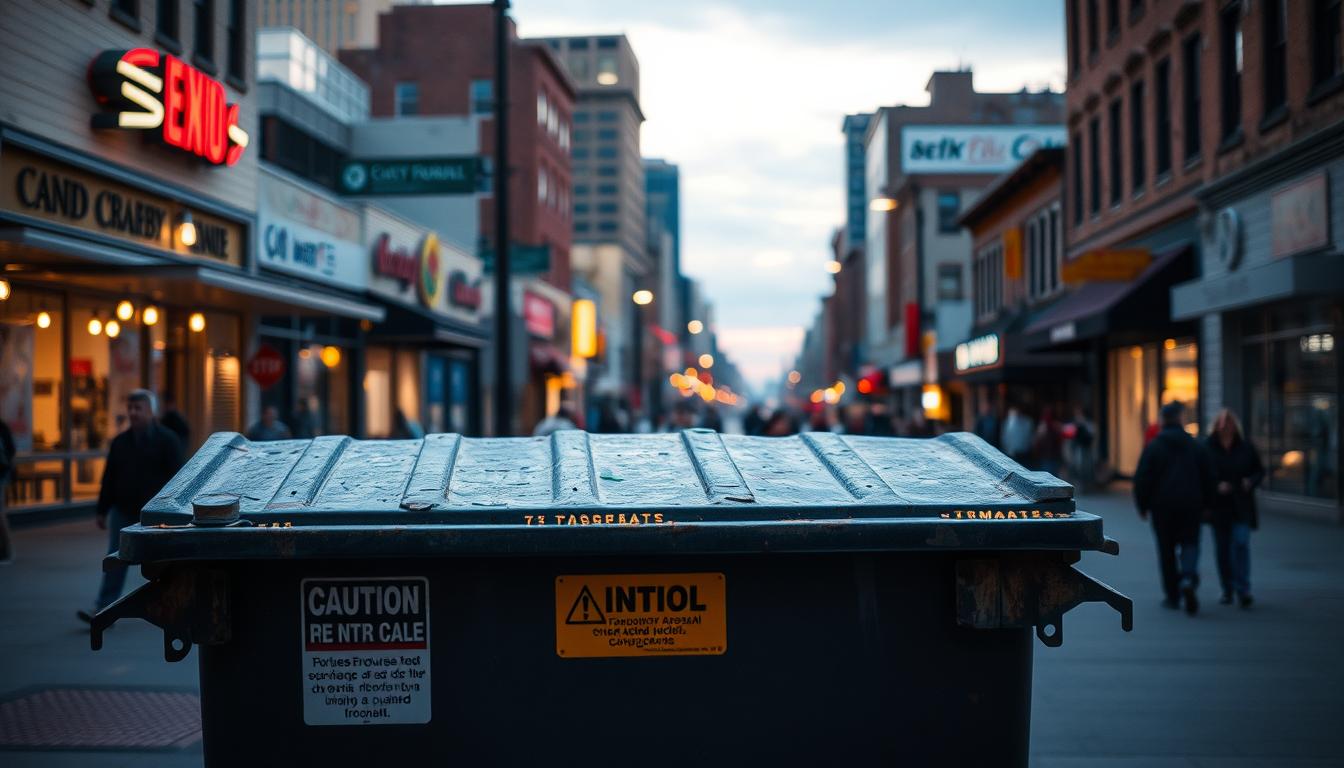
Is It Legal To Dumpster Dive In Nevada? The answer depends on where you dive and how you go about it. Nevada law doesn’t specifically ban dumpster diving, but local ordinances and property rights create important boundaries you need to understand.
Most successful dumpster diving in Nevada happens on public property or with clear permission from private property owners. The key is knowing which areas are off-limits and following basic safety rules to avoid legal trouble.
TL;DR
- Nevada has no statewide ban on dumpster diving, but local cities may restrict it through trespassing or theft ordinances.
- Items on public property curbs are generally legal to collect, while private property dumpsters require owner permission.
- Las Vegas and Reno have specific municipal codes that can result in $500+ fines for unauthorized dumpster access.
- Always check for “No Trespassing” signs and avoid enclosed dumpster areas behind locked gates or fences.
Is It Legal To Dumpster Dive In Nevada
Nevada follows the federal precedent set by California v. Greenwood, which ruled that people have no reasonable expectation of privacy in trash placed for collection. This means items thrown away are generally considered abandoned property that anyone can claim.
However, the location matters more than the legal theory. Dumpsters on private property fall under trespassing laws, while those accessible from public streets or sidewalks offer more legal protection for divers.
State vs. Local Laws
Nevada state law doesn’t address dumpster diving directly, leaving enforcement to counties and cities. Each municipality creates its own rules about trash collection, property access, and public safety.
Major cities like Las Vegas, Reno, and Henderson have specific ordinances that affect dumpster diving activities. These local laws often focus on preventing mess, noise complaints, and potential safety hazards rather than the act of diving itself.
Where You Can Legally Dive in Nevada
Public areas offer the safest legal ground for dumpster diving in Nevada. Curbside trash waiting for pickup on public streets is generally fair game, as long as you don’t trespass on private property to access it.
Some businesses allow dumpster diving with explicit permission, especially smaller retailers who understand the environmental benefits. Always ask the manager or property owner before diving on commercial property.
Safe Legal Locations
- Curbside pickup areas – Trash bags and bins placed on public sidewalks or street edges.
- Public dumpsters – Waste containers in parks, rest stops, or government buildings.
- Construction sites – Only with contractor permission and proper safety gear.
- Apartment complexes – Shared dumpsters accessible from public areas without gate access.
Nevada Cities with Specific Restrictions
Las Vegas has municipal code 10.56 that prohibits scavenging through waste containers without authorization. Violations can result in fines up to $500 and potential misdemeanor charges for repeat offenses.
Reno’s city ordinance 8.12 requires permission from property owners before accessing private dumpsters. The city also restricts diving during overnight hours to reduce noise complaints and safety concerns.
Henderson and Other Municipalities
Henderson follows similar restrictions to Las Vegas, with additional emphasis on preventing scattered trash and property damage. Carson City focuses on trespassing violations rather than specific anti-diving laws.
Smaller Nevada towns often rely on general trespassing and theft statutes to handle dumpster diving disputes. Check with local police departments or city halls for specific guidance in rural areas.
Legal Protection Tip
Take photos of dumpster locations and access points before diving to document that you stayed on public property. This evidence can help if legal questions arise later.
What Makes Dumpster Diving Illegal in Nevada
Trespassing creates the biggest legal risk for Nevada dumpster divers. Entering private property without permission, even just to access a dumpster, can result in criminal charges and fines.
Enclosed dumpster areas, locked gates, and “No Trespassing” signs clearly mark off-limits zones that you should avoid completely. Security cameras and private security patrols increase your chances of getting caught and prosecuted.
Common Legal Violations
- Criminal trespassing. Entering private property without permission, even for brief dumpster access.
- Theft charges. Taking items that businesses haven’t officially discarded or abandoned.
- Disturbing the peace. Making noise during diving activities, especially at night.
- Littering violations. Leaving scattered trash or failing to clean up after diving.
Safety and Legal Best Practices
Successful legal dumpster diving in Nevada requires preparation and common sense. Research local ordinances before diving in new cities, and always respect private property boundaries.
Carry identification and be prepared to explain your activities to police or security personnel. Following proper safety protocols not only protects you physically but also demonstrates responsible behavior to authorities.
Legal Documentation
Keep records of successful diving locations and any permissions you receive from property owners. This documentation helps establish patterns of legal activity and can protect you if disputes arise.
Some experienced Nevada divers carry business cards explaining their environmental mission and offering to clean up areas in exchange for diving access. This professional approach often leads to ongoing relationships with sympathetic business owners.
Building Relationships with Property Owners
Many Nevada businesses generate significant food waste and damaged merchandise that they’re happy to see diverted from landfills. Building positive relationships with managers and owners creates legal diving opportunities while supporting environmental goals.
Approach businesses during slow periods and explain how your diving activities help reduce their waste disposal costs. Offer to sign liability waivers or agreements that protect both parties while allowing continued access.
Articles You May Like
Frequently Asked Questions
Can I get arrested for dumpster diving in Nevada?
Yes, if you trespass on private property or ignore local ordinances. Stick to public areas and follow municipal rules to avoid arrest.
Do I need permission to dive in apartment complex dumpsters?
Yes, apartment dumpsters are usually on private property requiring permission from the property manager or landlord before accessing them legally.
What happens if security catches me diving?
Private security can ask you to leave and may call police if you refuse. Stay calm, comply with requests, and avoid confrontation to prevent escalation.
Are there specific times when diving is more legal?
Diving during daylight hours on public pickup days generally creates fewer legal problems than nighttime activities on private property.
Can businesses press charges for diving in their dumpsters?
Yes, businesses can pursue trespassing or theft charges depending on circumstances and local laws. Always get permission before diving on commercial property.
Final Thoughts
Is It Legal To Dumpster Dive In Nevada comes down to location, permission, and local ordinances rather than statewide restrictions. Focus on public areas, build relationships with property owners, and always respect posted signs and private boundaries.
Start with curbside diving in your neighborhood and expand to business relationships as you gain experience and confidence with Nevada’s legal landscape.