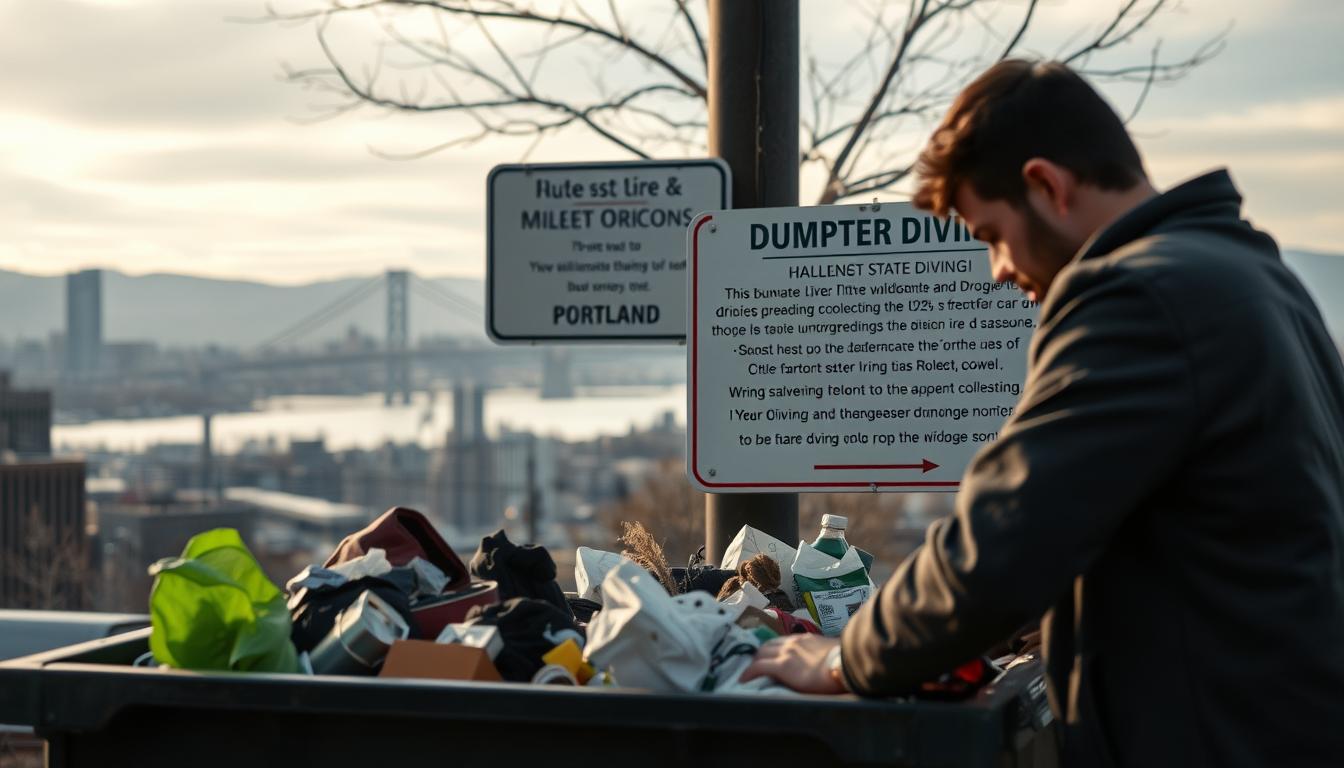
Is It Legal To Dumpster Dive In Oregon? Yes, dumpster diving is generally legal in Oregon under state law, but local ordinances and property rights can create restrictions. Oregon follows the federal principle that trash placed in public areas loses its expectation of privacy, making it fair game for collection.
However, the legality depends heavily on where the dumpster sits and local city regulations. Private property rules, trespassing laws, and municipal codes can override state permissions, so checking local laws before diving is essential.
TL;DR
- Oregon state law permits dumpster diving in public areas with no expectation of privacy for discarded items.
- Portland specifically allows dumpster diving on public property but prohibits it on private property without permission.
- Trespassing charges can result in fines up to $435 and 30 days in jail if you dive on private property.
- Peak diving hours are early morning (5-7 AM) when businesses discard items but before pickup trucks arrive.
Is It Legal To Dumpster Dive In Oregon
Oregon state law does not specifically prohibit dumpster diving, following the U.S. Supreme Court ruling in California v. Greenwood (1988). This decision established that people lose their reasonable expectation of privacy once they place trash in public collection areas.
The key factor is location – dumpsters on public property or public right-of-ways are generally accessible. However, dumpsters on private property require permission from the property owner, and diving without consent constitutes trespassing.
Federal vs. State Legal Framework
Federal law provides the foundation through Fourth Amendment interpretations, but Oregon municipalities can impose stricter rules. The state legislature has not passed specific anti-dumpster diving legislation, leaving regulation to local governments.
Most Oregon cities follow a similar pattern – allowing diving in public spaces while protecting private property rights. This creates a patchwork of local regulations that divers must navigate carefully.
Local Oregon City Regulations
Major Oregon cities have developed their own approaches to dumpster diving regulation. Portland, Eugene, Salem, and other municipalities each maintain distinct ordinances that can affect your diving activities.
These local laws often address noise ordinances, littering, and business district regulations that can impact when and where you can legally dive. Understanding your specific city’s rules prevents legal complications.
Portland Regulations
Portland allows dumpster diving on public property but maintains strict private property protections. The city requires divers to avoid creating messes and follow standard trespassing laws.
Business districts in Portland have additional restrictions during certain hours to prevent interference with commercial operations. Early morning diving typically avoids these complications while maximizing find potential.
Eugene and Salem Rules
Eugene follows similar patterns to Portland, with public property access and private property restrictions. The city emphasizes cleanup requirements and noise considerations, especially in residential areas.
Salem maintains comparable regulations but adds specific ordinances about commercial waste areas. Business dumpsters often have stricter access rules compared to residential collection points.
Private Property and Trespassing Laws
Oregon’s trespassing laws create the biggest legal risk for dumpster divers. Entering private property without permission can result in criminal trespass charges, regardless of your intent to dive.
Property boundaries extend to dumpster areas in most cases, meaning enclosed or fenced dumpster locations are typically off-limits. Even unfenced areas behind businesses can constitute private property requiring permission.
Trespassing Penalties
Criminal trespass in the second degree carries penalties up to $435 in fines and 30 days in jail. First-degree trespass, involving enclosed areas or ignored warning signs, can result in up to one year imprisonment and $6,250 in fines.
These penalties apply even if you successfully argue that dumpster diving itself was legal. The location and permission status determine the charges, not the activity.
Safety and Legal Protection Tip
Always carry a flashlight and wear reflective clothing when diving at dawn or dusk. This shows good faith effort to stay safe and visible, which can help if questioned by authorities.
Best Practices for Legal Diving in Oregon
Following established best practices keeps your diving activities within legal boundaries while maximizing your success rate. These guidelines work across most Oregon municipalities and help build positive relationships with businesses.
Timing, location selection, and cleanup habits form the foundation of responsible diving. Developing these practices early prevents problems and creates opportunities for valuable finds.
Location Selection Strategy
- Public curb areas – Safest option with clear legal standing and easy access.
- Shopping center edges – Often public property with good selection but verify boundaries.
- Apartment complexes – Usually private property requiring permission or resident status.
- Business alleys – High-risk areas often on private property with security concerns.
Timing Considerations
- Early morning hours (5-7 AM). Businesses have disposed of items but pickup hasn’t occurred yet.
- Avoid peak business hours. Reduces conflicts and shows respect for commercial operations.
- Check pickup schedules. Diving right after collection wastes time and effort.
- Consider seasonal patterns. Retail locations discard more during inventory periods and season changes.
What You Can Legally Take
Oregon law generally allows collection of truly discarded items that show clear abandonment. Items in sealed bags, clearly disposed containers, and obvious trash qualify for legal collection.
However, items that appear accidentally discarded or have apparent value might create complications. Using common sense about obvious abandonment versus potential mistakes helps avoid legal issues.
Items to Avoid
- Personal documents – Identity theft concerns create legal risks even from discarded papers.
- Expensive electronics – May indicate accidental disposal or create suspicion of theft.
- Medical waste – Health regulations and disposal laws make this illegal to collect.
- Business records – Privacy laws and confidentiality requirements apply even after disposal.
When in doubt, leaving questionable items avoids potential legal complications. Personal safety considerations should always override potential value when making collection decisions.
Interactions with Law Enforcement
Oregon police generally understand dumpster diving legality but may investigate complaints or suspicious activity. Remaining calm, cooperative, and informed about your rights helps these interactions go smoothly.
Most officers will simply verify you’re not trespassing and ensure you’re not creating public disturbances. Having knowledge of local laws and showing respect for property boundaries demonstrates good faith compliance.
Your Rights During Police Contact
You have the right to remain silent and ask if you’re free to leave. Police can ask for identification but cannot detain you without reasonable suspicion of criminal activity.
If questioned, explain you’re collecting discarded items from public property and are familiar with local regulations. Avoid arguing about legal technicalities and focus on demonstrating compliance with local rules.
Articles You May Like
Frequently Asked Questions
Can I dumpster dive behind stores in Oregon?
Only if the dumpster sits on public property or you have explicit permission from the property owner. Most store dumpsters are on private property, making diving there illegal trespassing.
What time is best for dumpster diving in Oregon?
Early morning between 5-7 AM offers the best combination of fresh discards and legal safety. This timing avoids business hours and occurs before most pickup schedules.
Do I need permission to dive in apartment complex dumpsters?
Yes, apartment complex dumpsters are typically on private property requiring resident status or explicit permission from management. Unauthorized diving constitutes trespassing.
Can Oregon cities ban dumpster diving completely?
Cities can regulate diving through trespassing laws, noise ordinances, and property regulations, but cannot ban collection of truly abandoned items from public property under federal precedent.
Final Thoughts
Is It Legal To Dumpster Dive In Oregon remains a nuanced question that depends on location, timing, and local regulations. While state law generally permits diving, municipal codes and private property rights create important limitations that every diver must respect.
Success comes from understanding both your legal rights and local restrictions. Oregon’s official records disposal laws provide additional context for what constitutes legally abandoned property, while Portland’s municipal code offers specific local regulations that apply within city limits.