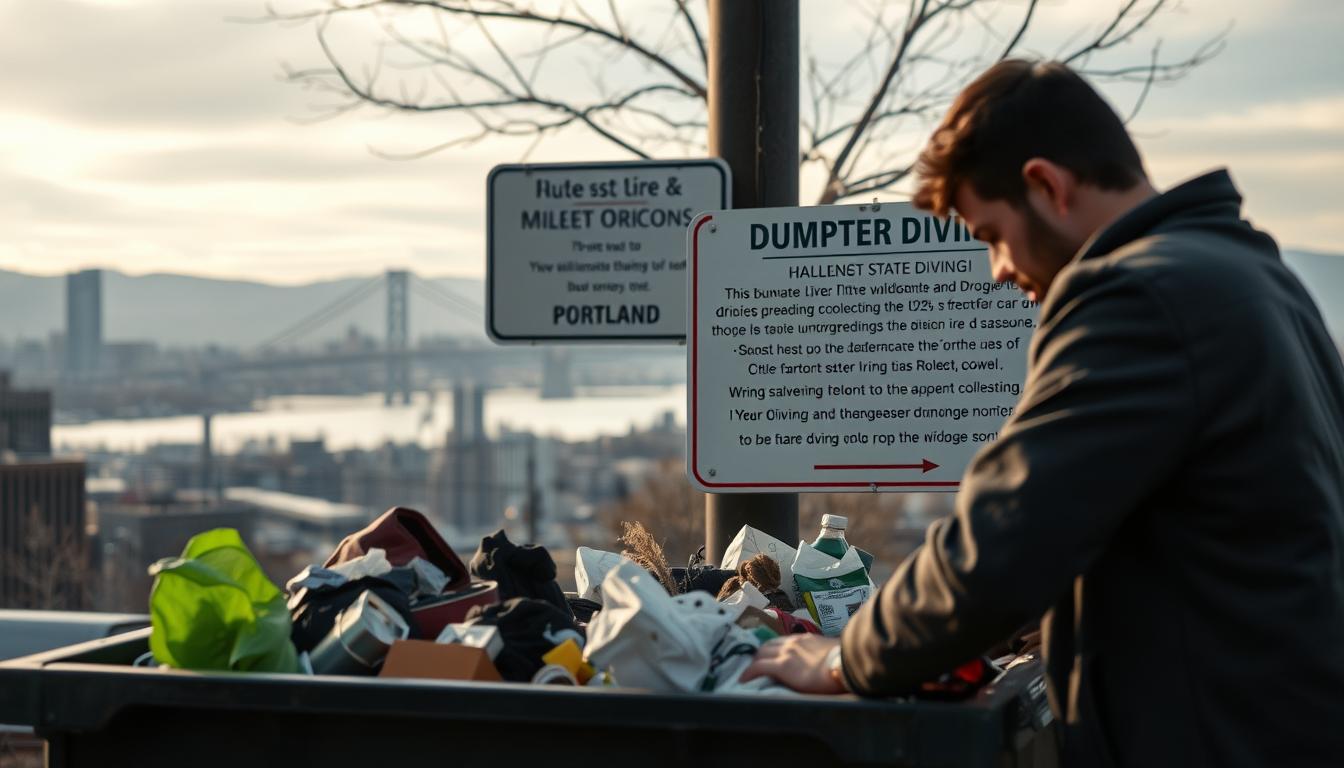
Is It Legal To Dumpster Dive In North Dakota is a question many resourceful people ask when looking for ways to reduce waste and find useful items. North Dakota follows federal law regarding dumpster diving, which means the practice is generally legal once trash reaches public property or the curb for collection.
Understanding the specific rules and exceptions in North Dakota helps you stay within legal boundaries while exploring this money-saving activity. Local ordinances and private property laws can create additional restrictions that vary by city and county.
TL;DR
- Dumpster diving is legal in North Dakota on public property and curbside trash, following the 1988 Supreme Court ruling in California v. Greenwood.
- Private property dumpster diving requires explicit permission from property owners to avoid trespassing charges.
- Fargo and Bismarck have specific ordinances that may restrict diving times to daylight hours and prohibit scattered trash.
- North Dakota State Code 12.1-22-03 defines criminal trespass with penalties up to $3,000 in fines for violations on private property.
Is It Legal To Dumpster Dive In North Dakota
North Dakota operates under federal precedent established by the Supreme Court case California v. Greenwood in 1988. This ruling determined that people have no reasonable expectation of privacy in trash placed for public collection.
The state constitution and criminal code don’t specifically address dumpster diving as a separate offense. Instead, legal issues arise when divers violate trespassing, theft, or local ordinance laws during their activities.
Federal Law Foundation
The Fourth Amendment protection against unreasonable searches doesn’t extend to abandoned property like curbside trash. Once you place trash bags or containers at the curb for collection, they legally become public domain.
This federal precedent applies throughout North Dakota, creating a baseline legal framework for dumpster diving activities. Individual cities and counties can add restrictions but cannot make the basic act of collecting abandoned trash illegal.
North Dakota State Laws and Regulations
North Dakota criminal law focuses on property rights and trespassing rather than the specific act of dumpster diving. The key statutes that affect divers relate to criminal trespass and theft definitions.
Understanding these laws helps you navigate the legal landscape while pursuing dumpster diving as a money-saving strategy in the Peace Garden State.
Criminal Trespass Laws
North Dakota Century Code 12.1-22-03 defines criminal trespass as entering or remaining on property without permission. This law becomes relevant when dumpsters sit on private property like behind stores or in apartment complexes.
Penalties for criminal trespass include fines up to $3,000 and potential jail time. The severity depends on whether the property was clearly marked with no trespassing signs or fencing.
- Class B Misdemeanor – Basic trespass violations with fines up to $1,500
- Class A Misdemeanor – Aggravated trespass with fines up to $3,000 and possible jail time
- Posted Property – Enhanced penalties when “No Trespassing” signs are clearly visible
- Enclosed Areas – Additional charges possible for entering fenced or locked areas
Theft and Property Laws
North Dakota’s theft statutes generally don’t apply to abandoned trash, but complications can arise with specific situations. Items in dumpsters on private property might still be considered owned until collected by waste management.
The state follows the “abandoned property” doctrine, meaning items truly discarded lose their ownership status. However, proving abandonment can become complex in legal disputes.
Know Your Local Laws
Check with city halls in Fargo, Bismarck, or your specific municipality for local ordinances. Many cities have specific rules about scavenging hours and cleanup requirements.
City-Specific Ordinances in Major North Dakota Cities
Major North Dakota cities have enacted specific ordinances that add layers to basic state law regarding waste collection and scavenging activities. These local rules often address noise, hours of operation, and cleanup requirements.
Violating city ordinances can result in separate fines and penalties beyond state-level charges. Always research local rules before beginning any systematic dumpster diving activities.
Fargo Regulations
Fargo’s municipal code includes specific waste scavenging provisions that limit when and how residents can collect discarded items. The city requires scavengers to clean up any mess created during collection activities.
Violation of Fargo’s scavenging ordinances can result in fines ranging from $50 to $500 for first-time offenders. Repeat violations may face enhanced penalties and potential equipment confiscation.
Bismarck and Mandan Rules
Bismarck prohibits scavenging during certain hours and requires immediate cleanup of any scattered materials. The city also restricts collection activities in specific residential zones during weekdays.
Mandan follows similar guidelines but adds restrictions on vehicle parking during scavenging activities. Both cities emphasize public safety and neighborhood aesthetics in their enforcement approach.
Private Property Considerations
Most valuable dumpster diving opportunities in North Dakota occur on private property behind retail stores, restaurants, and apartment complexes. Accessing these areas requires understanding property ownership and permission requirements.
Trespassing charges represent the most serious legal risk for North Dakota dumpster divers. Property owners have the right to restrict access and can press charges against unauthorized visitors.
Getting Permission
Asking property managers or store owners for permission eliminates legal risks while often providing better access to valuable discards. Many businesses appreciate responsible divers who help reduce waste disposal costs.
Written permission provides the best legal protection, though verbal agreements can also establish legitimacy. Document any permissions with names, dates, and specific terms discussed.
- Contact Management – Speak with store managers or property owners during business hours
- Explain Your Purpose – Focus on waste reduction and environmental benefits
- Offer Cleanup Services – Promise to leave areas cleaner than you found them
- Respect Boundaries – Follow any restrictions on timing or specific areas
- Maintain Relationships – Regular communication helps preserve access over time
Best Practices for Legal Dumpster Diving
Following established best practices keeps your dumpster diving activities within legal boundaries while maximizing safety and success rates. These guidelines help you avoid common legal pitfalls that can lead to fines or arrests.
Successful North Dakota divers focus on public areas and maintain positive relationships with local communities. This approach provides sustainable access while contributing to waste reduction goals.
Safe and Legal Locations
Stick to clearly public areas like curbside collection zones and municipal waste areas where possible. These locations provide the clearest legal standing under North Dakota law.
Research prime dumpster locations during daylight hours to identify potential access issues or private property boundaries before attempting collection activities.
- Curbside Collection – Trash bags and containers placed for pickup
- Public Dumpsters – Municipal facilities and clearly marked public areas
- College Campuses – Public university waste areas during move-out periods
- Construction Sites – Public right-of-way debris with proper permissions
Timing and Behavior Guidelines
Conduct activities during reasonable hours to avoid disturbing residents and reduce encounters with law enforcement. Most successful divers work during early morning hours after collection schedules.
Maintain a low profile and clean up any mess created during your search. This responsible approach helps preserve access and maintains positive community relationships.
Articles You May Like
Frequently Asked Questions
Can I get arrested for dumpster diving in North Dakota?
Yes, if you trespass on private property or violate local ordinances. Stick to public areas and curbside trash to avoid legal issues.
Do I need permission to dive in apartment complex dumpsters?
Yes, apartment dumpsters are typically on private property. Contact property management for written permission before accessing these areas.
What are the penalties for illegal dumpster diving in North Dakota?
Trespassing charges can result in fines up to $3,000 and possible jail time. Local ordinance violations typically carry smaller fines of $50-$500.
Are there specific hours when dumpster diving is legal?
State law doesn’t specify hours, but local ordinances in cities like Fargo may restrict nighttime activities. Check your local municipal code for specific time restrictions.
Can stores press charges if I dive in their dumpsters?
Yes, if their dumpsters are on private property. However, many stores allow responsible divers who ask permission and maintain clean conditions.
Final Thoughts
Is It Legal To Dumpster Dive In North Dakota comes down to location, permission, and following local ordinances while respecting private property rights. The practice remains legal in public areas but requires careful attention to trespassing laws on private property.
Start with curbside collection areas and public dumpsters to build experience while staying within clear legal boundaries. Consider asking for permission at promising private locations to expand your opportunities safely.