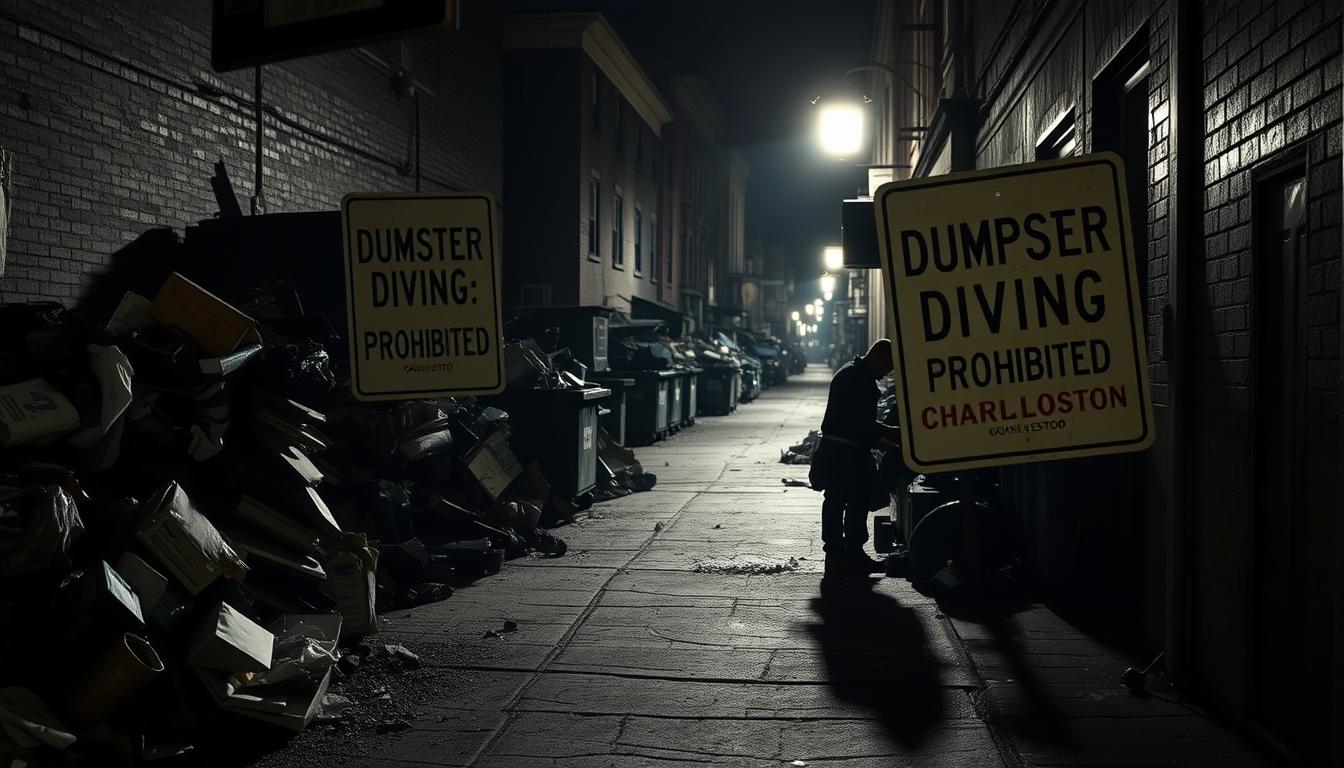
Is It Legal To Dumpster Dive In South Carolina? The answer depends on several key factors including local ordinances, property ownership, and how you access the dumpsters. While South Carolina doesn’t have a specific statewide ban on dumpster diving, the practice exists in a legal gray area that requires careful attention to local laws and property rights.
Understanding the legal landscape before you start diving can save you from potential fines, trespassing charges, or other legal complications. Each city and county in South Carolina may have different rules about accessing discarded items.
TL;DR
- South Carolina has no statewide law banning dumpster diving, but local ordinances vary by city and county.
- Dumpsters on private property require permission from property owners to access legally.
- Cities like Charleston and Columbia have specific ordinances that may restrict or prohibit dumpster diving.
- Always check local laws and avoid trespassing to stay within legal boundaries while diving.
Is It Legal To Dumpster Dive In South Carolina
South Carolina follows the general legal principle that once items are discarded, they become abandoned property. However, this doesn’t automatically make dumpster diving legal everywhere in the state.
The legality hinges on where the dumpster is located and how you access it. Dumpsters on public property or accessible from public areas generally fall under different rules than those on private property.
State-Level Legal Framework
South Carolina doesn’t have comprehensive state laws specifically addressing dumpster diving. The practice falls under broader property and trespassing laws that apply throughout the state.
Key legal considerations include property rights, local ordinances, and how courts interpret abandoned property laws. Understanding trash laws in South Carolina provides additional context for these legal principles.
Local Ordinances and City-Specific Rules
Many South Carolina cities have enacted specific ordinances that restrict or prohibit dumpster diving. These local laws often supersede state-level interpretations of abandoned property.
Major cities with relevant ordinances include:
- Charleston – Has ordinances restricting scavenging from commercial dumpsters
- Columbia – Prohibits disturbing refuse containers in certain areas
- Greenville – Requires permission for accessing commercial waste containers
- Rock Hill – Has specific rules about interfering with waste collection
How to Research Local Laws
Before diving in any South Carolina location, contact the local city hall or county office to ask about specific ordinances. Many municipalities post their codes online where you can search for terms like “refuse,” “waste,” or “scavenging.”
Local police departments can also provide guidance on how they enforce dumpster diving laws in their jurisdiction. Getting this information upfront prevents legal issues later.
Property Rights and Trespassing Concerns
The location of the dumpster determines much of the legal framework around accessing it. Private property rules apply even if the dumpster itself sits on what appears to be public space.
Dumpsters behind businesses, in parking lots, or enclosed areas typically require property owner permission. Even if no “No Trespassing” signs are visible, accessing these areas without permission could result in trespassing charges.
Public vs Private Property Guidelines
Safe legal options generally include:
- Curbside collection – Items placed on public streets for pickup
- Public dumpsters – Those clearly marked for public use in parks or rest areas
- Apartment complexes with permission – When property managers explicitly allow it
Risky or illegal options include:
- Gated or fenced areas – Require crossing private property boundaries
- Business parking lots – Usually considered private property
- Posted areas – Locations with “No Trespassing” or similar signage
Safety and Legal Protection
Always carry a flashlight and wear gloves when diving, and consider taking photos of any “No Trespassing” signs to document your awareness of boundaries. This shows good faith effort to respect property rights if questions arise later.
Best Practices for Legal Dumpster Diving
Following established best practices helps you stay within legal boundaries while maximizing your chances of valuable finds. These guidelines apply whether you’re just starting out or looking to refine your approach.
Getting started with dumpster diving requires understanding both legal and practical considerations that keep you safe.
Legal Compliance Steps
- Research local ordinances. Check city and county websites for specific rules about waste scavenging.
- Identify property boundaries. Make sure you can access dumpsters without crossing private property.
- Respect posted signs. Never ignore “No Trespassing,” “Private Property,” or similar warnings.
- Ask permission when possible. Property owners or managers may grant access if you explain your intentions.
- Time your visits appropriately. Some areas have time restrictions on when dumpsters can be accessed.
Documentation and Safety
Keep records of where you dive and any permissions you receive. Take photos of dumpster locations and note any signage present during your visits.
Consider carrying identification and having a planned explanation ready if approached by property owners or law enforcement. Being transparent about your activities and showing respect for property rights goes a long way toward avoiding conflicts.
Common Legal Risks and How to Avoid Them
Even well-intentioned dumpster diving can result in legal problems if you’re not careful about location selection and access methods. Understanding common risks helps you make better decisions about when and where to dive.
The most frequent legal issues include trespassing charges, disturbing the peace citations, and violations of local waste ordinances. Each carries different penalties and long-term consequences.
Criminal vs Civil Violations
Trespassing typically results in criminal charges that can include fines up to $500 and possible jail time for repeat offenses. These charges create permanent records that may affect employment or housing applications.
Civil violations like ordinance breaches usually result in monetary fines without criminal records. However, repeated violations can escalate to criminal charges in some jurisdictions.
Risk Reduction Strategies
Smart divers minimize legal exposure through:
- Location scouting – Visiting potential sites during business hours to assess accessibility
- Permission seeking – Asking business owners or property managers for explicit permission
- Timing considerations – Choosing appropriate times that don’t disturb businesses or residents
- Clean departure – Leaving areas cleaner than you found them to maintain positive relationships
Articles You May Like
Frequently Asked Questions
Can you get arrested for dumpster diving in South Carolina?
Yes, you can face arrest for trespassing if you access dumpsters on private property without permission. However, diving in legal locations typically results in warnings or citations rather than arrest.
Do I need permission to dumpster dive behind restaurants in South Carolina?
Yes, restaurant dumpsters are usually on private property, so you need explicit permission from the property owner or business manager before accessing them legally.
What happens if police catch me dumpster diving in South Carolina?
Police response varies by location and circumstances, but typically involves checking your ID, asking you to leave, and possibly issuing warnings or citations depending on local ordinances and property access.
Are there specific times when dumpster diving is legal in South Carolina?
Legal timing depends on local ordinances, but generally accessing publicly available dumpsters during daylight hours reduces legal risks compared to nighttime diving which may violate noise or loitering laws.
Can apartment complexes prohibit dumpster diving in South Carolina?
Yes, apartment complexes can prohibit dumpster diving on their property and may enforce these rules through trespassing charges or lease violations for residents who participate.
Final Thoughts
Is It Legal To Dumpster Dive In South Carolina remains a complex question that depends heavily on local laws and specific circumstances. While the state doesn’t ban the practice outright, many cities have ordinances that restrict or prohibit it in certain areas.
Success and legal safety come from thorough research of local ordinances, respecting property rights, and maintaining good relationships with property owners and law enforcement. Following proper safety protocols protects you legally and physically while you explore this alternative income source.