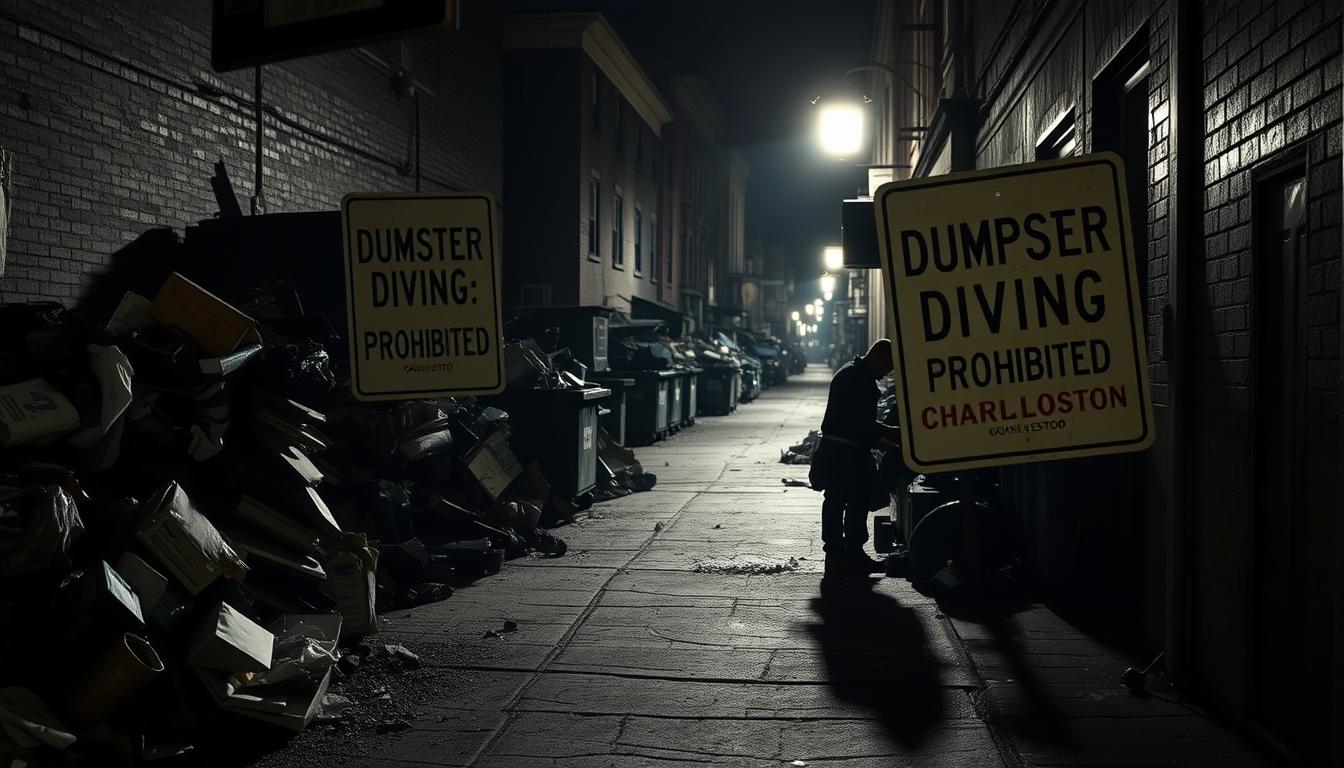
Is It Legal To Dumpster Dive In Texas? The answer depends on several factors including local ordinances, property rights, and how you conduct your diving activities. While Texas doesn’t have a statewide ban on dumpster diving, the legality varies significantly between cities and counties.
Understanding the legal landscape helps you avoid fines, trespassing charges, or other complications. Texas law generally follows the federal principle that trash placed on public property loses its privacy protection, but private property rules and local regulations can override this principle.
TL;DR
- Texas has no statewide ban on dumpster diving, but local cities can prohibit it through ordinances.
- Diving on private property without permission is trespassing, which carries fines up to $500 in Texas.
- Major cities like Dallas, Houston, and Austin have specific restrictions or outright bans on dumpster diving.
- Public property dumpsters are generally legal to access unless posted signs or local laws say otherwise.
Is It Legal To Dumpster Dive In Texas State Law
Texas state law doesn’t specifically address dumpster diving, which means the practice falls under general property and trespassing laws. The state follows the “abandoned property” principle – once someone throws something away, they generally lose ownership rights to that property.
However, this principle only applies when you’re accessing trash from public areas or with proper permission. The location of the dumpster and how you access it determines whether your actions are legal under Texas law.
Property Rights and Trespassing Laws
Texas takes property rights seriously, and trespassing laws are strictly enforced across the state. If a dumpster sits on private property – like behind a store or in a gated area – accessing it without permission constitutes criminal trespassing under Texas Penal Code Section 30.05.
Criminal trespassing in Texas is a Class B misdemeanor punishable by up to 180 days in jail and fines up to $2,000. Even if you only intended to check the dumpster, crossing onto private property without authorization can result in these serious charges.
Local Ordinances Across Texas Cities
Many Texas cities have enacted specific ordinances that restrict or prohibit dumpster diving within city limits. These local laws often carry immediate fines and can result in criminal charges for repeat offenders.
Major metropolitan areas typically have the strictest regulations due to health concerns, business complaints, and public safety issues. Before diving in any Texas city, research the local municipal code to understand specific restrictions in your area.
Dallas County Regulations
Dallas prohibits scavenging from dumpsters and trash containers through city ordinance 31-7. Violations can result in fines ranging from $50 to $500, and repeat offenses may lead to higher penalties or court appearances.
The ordinance applies to all containers within Dallas city limits, regardless of whether they’re on public or private property. Similar rules exist in many Dallas suburbs, so check local laws before diving in the metropolitan area.
Houston Area Rules
Houston allows dumpster diving from containers placed on public property for trash collection, but prohibits accessing dumpsters on private property. The city also requires that divers avoid creating messes or scattering trash during their activities.
Harris County and surrounding municipalities may have different rules, so verify local ordinances before diving. Some areas require permits or have time restrictions on when scavenging activities can occur.
Austin and Central Texas
Austin generally permits dumpster diving from public areas but prohibits trespassing on private property to access containers. The city emphasizes that divers must not damage property or create health hazards while searching through trash.
Many Central Texas communities have adopted similar approaches, focusing on property rights and public safety rather than outright bans. Always check with local authorities or review municipal codes before diving in any new area.
Know Your Local Laws
Call your city hall or check the municipal website for current dumpster diving ordinances before you start. Laws change frequently, and what was legal last year might be prohibited now.
Safe and Legal Dumpster Diving Practices
Following proper protocols helps you stay within legal boundaries while dumpster diving in Texas. Focus on publicly accessible containers and always respect property boundaries and posted signs.
Successful legal diving requires preparation, respect for others, and understanding of local regulations. These practices help you avoid legal troubles while finding valuable items that would otherwise go to waste.
Choose Public Locations
Stick to dumpsters placed on public property or in areas where you have explicit permission to search. Apartment complexes, office buildings, and retail stores typically place dumpsters on private property, making them off-limits without permission.
Public areas include curbside containers on trash collection days, dumpsters in public parks, and containers in municipal facilities. These locations offer the safest legal protection for your diving activities.
Respect Property and Clean Up
Leave areas cleaner than you found them and never damage locks, fences, or containers while diving. Texas courts view property damage seriously, and even minor vandalism can escalate trespassing charges to more serious criminal offenses.
Bring bags to collect any items you scatter while searching, and avoid diving during business hours when you might interfere with normal operations. Professional conduct reduces the likelihood of complaints or legal action against you.
Understand Posted Signs and Barriers
Respect all “No Trespassing” signs, locked gates, and physical barriers around dumpster areas. Texas law considers these clear indicators that property owners don’t want unauthorized access, regardless of whether dumpster diving is specifically mentioned.
Fenced areas, locked dumpsters, and posted warnings all signal private property where diving could result in trespassing charges. When in doubt, move on to a clearly public location instead of risking legal problems.
What To Do If Confronted by Authorities
If police or property owners approach you while dumpster diving, remain calm and cooperative. Explain that you’re following local laws and immediately leave if asked to do so by property owners or law enforcement.
Carrying a copy of relevant local ordinances can help clarify your rights, but don’t argue with officers or property owners. Compliance and respect go far toward avoiding citations or arrests, even in legally ambiguous situations.
Know Your Rights
You have the right to remain silent and ask for clarification about which specific law you might be violating. Texas officers should be able to cite the specific ordinance or statute that makes your activity illegal in that location.
If you’re diving from public property and following local laws, you can politely assert your rights. However, avoid escalating confrontations and always prioritize your safety over any potential finds.
Articles You May Like
Frequently Asked Questions
Can you get arrested for dumpster diving in Texas?
Yes, you can be arrested for trespassing if you dive on private property without permission. Public property diving is generally legal unless local ordinances prohibit it.
Do I need permission to dumpster dive behind stores in Texas?
Yes, most store dumpsters sit on private property, so you need explicit permission from the property owner or business to avoid trespassing charges.
What happens if I’m caught dumpster diving illegally in Texas?
Penalties range from warning citations to criminal trespassing charges carrying fines up to $2,000 and possible jail time up to 180 days.
Are there specific times when dumpster diving is legal in Texas?
Timing doesn’t affect legality – location and property ownership determine whether dumpster diving is legal. Some cities have noise ordinances that restrict nighttime activities.
Final Thoughts
Is It Legal To Dumpster Dive In Texas depends heavily on where you dive and your local city ordinances. While state law doesn’t prohibit the practice, trespassing laws and municipal regulations create a complex legal landscape that varies significantly across different communities.
Focus on public property locations and research local laws before you start diving. When you understand the rules that govern trash access in Texas, you can enjoy this eco-friendly hobby while staying on the right side of the law.