Is It Legal To Dumpster Dive In West Virginia? The answer depends on where you dive and how you do it. While West Virginia doesn’t have a specific state law banning dumpster diving, local ordinances and property rights create a complex legal landscape that every diver needs to understand.
The key is knowing the difference between public and private property, understanding trespassing laws, and following local regulations. Many cities have their own rules about scavenging, so what’s legal in one town might get you in trouble in another.
TL;DR
- West Virginia has no state law prohibiting dumpster diving, but local ordinances vary by city and county.
- Diving on private property without permission is considered trespassing and can result in fines up to $500.
- Public dumpsters are generally fair game unless posted signs or local laws say otherwise.
- Charleston, Huntington, and Morgantown have specific anti-scavenging ordinances with penalties ranging from $25 to $200.
Is It Legal To Dumpster Dive In West Virginia
West Virginia state law doesn’t specifically address dumpster diving, which means it falls into a legal gray area governed by general property and trespassing laws. The 1988 Supreme Court case California v. Greenwood established that trash placed on public property loses Fourth Amendment protection, but this doesn’t automatically make all dumpster diving legal.
The legality hinges on three main factors: location, property ownership, and local ordinances. Dumpsters on private property require permission from the owner, while those on public property may be accessible unless local laws prohibit scavenging.
Property Rights and Trespassing
West Virginia Code §61-3B-1 defines trespassing as entering or remaining on property without authorization. This applies to dumpster diving when containers are located on private property, even if the dumpster itself sits near a public street.
Business parking lots, apartment complexes, and shopping centers are private property where diving without permission constitutes trespassing. Penalties include fines up to $500 and potential jail time for repeat offenses.
Local Laws and Ordinances
West Virginia municipalities have varying approaches to dumpster diving regulations. Some cities explicitly prohibit scavenging, while others allow it with restrictions on timing, location, or behavior.
Charleston Regulations
Charleston Municipal Code Section 521.08 prohibits scavenging from any refuse container without written permission from the owner. Violations carry fines between $50 and $200, with repeat offenders facing higher penalties and potential community service requirements.
The city defines scavenging as removing any materials from containers designated for waste collection, regardless of location. This broad definition covers both public and private dumpsters within city limits.
Huntington Rules
Huntington prohibits disturbing or removing materials from waste containers under Ordinance 15-34. First-time violations result in $25 fines, while subsequent offenses can reach $100 plus court costs.
The ordinance includes exceptions for authorized recycling programs and city employees performing official duties. Private citizens cannot legally dive in any containers within Huntington’s jurisdiction.
Morgantown Policies
Morgantown’s waste management ordinance restricts access to designated collection containers. The city allows diving in public dumpsters during daylight hours but prohibits disturbing residential curbside collection.
University areas have additional restrictions due to student privacy concerns and campus safety policies. West Virginia University property follows separate institutional guidelines that generally prohibit unauthorized scavenging.
What You Can Legally Dive For
When diving legally in West Virginia, certain items offer both value and safety. Electronics, furniture, and clothing frequently appear in dumpsters, but condition and local demand affect their worth.
- Electronics – Computers, phones, and gaming systems often need minor repairs but retain significant resale value.
- Furniture – Solid wood pieces, antiques, and brand-name items can be restored and sold.
- Books and Media – Textbooks, rare books, and collectible items have steady markets.
- Building Materials – Lumber, hardware, and tools from construction sites offer practical value.
- Clothing – Designer items and vintage pieces can be resold online or at consignment shops.
Avoid diving for food, medications, or personal documents due to health risks and privacy concerns. These items also have little resale value and may create legal complications if discovered.
Check Local Laws First
Always research municipal ordinances before diving in a new city or county. West Virginia’s 55 counties and numerous municipalities each have different rules that can change without notice.
Safe and Legal Diving Practices
Following proper procedures protects you legally and physically while dumpster diving in West Virginia. Start by identifying truly public locations and avoiding any area with posted restrictions or obvious private property markers.
- Research local laws. Contact city halls or check municipal websites for current ordinances before diving in new areas.
- Stay on public property. Sidewalks and public alleys are generally safe, but parking lots and building grounds are usually private.
- Dive during daylight. Many ordinances restrict nighttime scavenging, and daylight diving appears less suspicious.
- Bring safety gear. Gloves, flashlights, and first aid supplies protect against injuries from sharp objects or hazardous materials.
- Leave areas clean. Replace lids, pick up scattered trash, and avoid creating messes that draw complaints.
Document your activities with photos showing clean conditions before and after diving. This evidence helps if property owners or authorities question your behavior or accuse you of vandalism.
Best Locations for Legal Diving
West Virginia offers numerous opportunities for legal dumpster diving when you know where to look. College towns, tourist areas, and business districts generate high-value waste during specific seasons.
University Areas
End-of-semester periods at West Virginia University, Marshall University, and smaller colleges produce enormous amounts of discarded items. Students throw away furniture, electronics, and textbooks when moving out of dormitories.
Focus on public streets near campus rather than university property itself. Your first dive guide provides essential tips for navigating these high-opportunity situations safely.
Business Districts
Commercial areas in Charleston, Huntington, and Parkersburg regularly discard office equipment, furniture, and supplies. End-of-month cleanouts and business closures create the best opportunities.
Retail stores often dispose of returned merchandise, seasonal displays, and packaging materials that have resale potential. Always verify that dumpsters are on public property or obtain permission from business owners.
Residential Areas
Affluent neighborhoods typically produce higher-value discards, especially during spring cleaning seasons and before major holidays. Focus on areas with large homes and high turnover rates.
Moving seasons from May through September generate furniture, appliances, and household goods. Timing your dives properly maximizes both legal compliance and finding valuable items.
Avoiding Legal Problems
Preventing legal issues requires understanding both what to avoid and how to respond if confronted by property owners or law enforcement. Preparation and proper behavior prevent most problems before they escalate.
Warning Signs to Respect
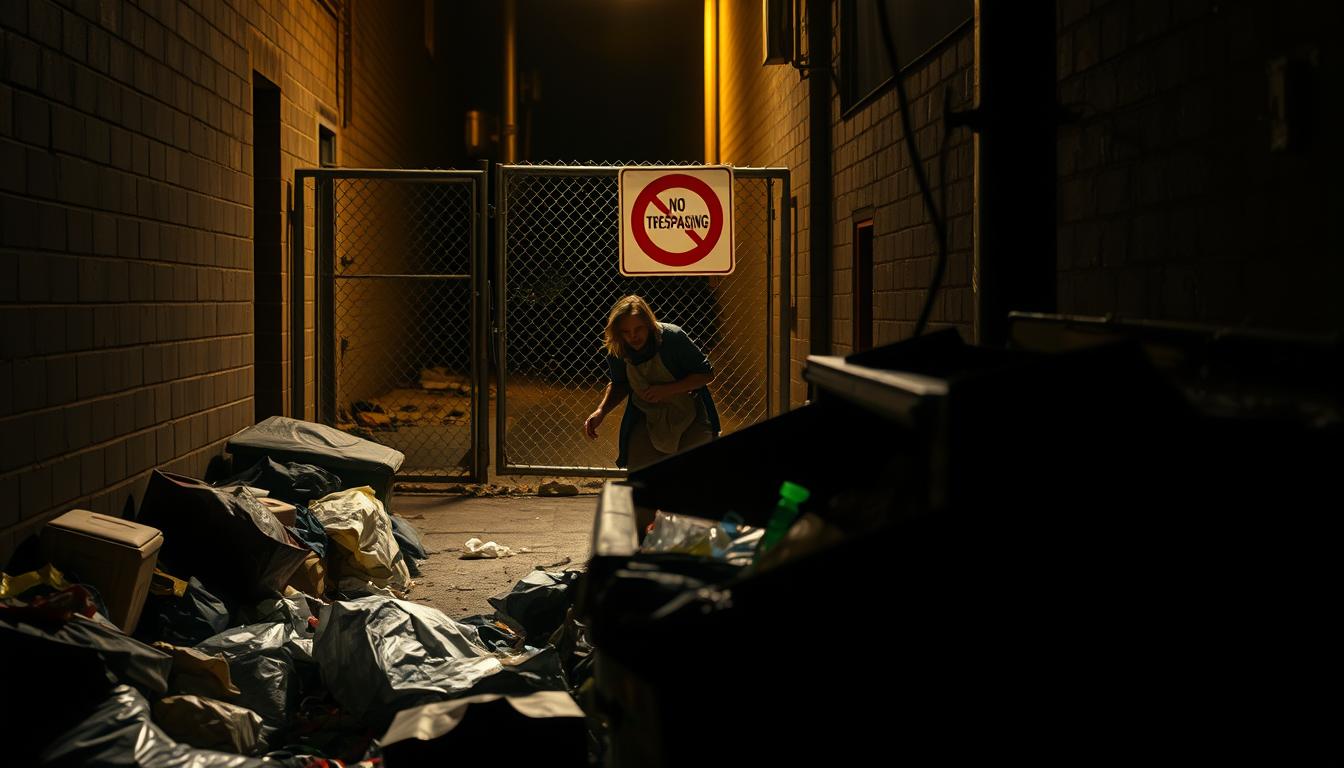
Posted signs create clear legal boundaries that override general diving permissions. “No Trespassing,” “Private Property,” and “No Scavenging” signs establish explicit restrictions that carry legal weight in court.
Locked enclosures, fenced areas, and gated dumpster locations indicate private access restrictions. Breaking locks or climbing fences transforms simple diving into criminal trespassing or breaking and entering charges.
Handling Confrontations
When confronted by property owners, security guards, or police officers, remain calm and respectful. Explain that you’re following local laws and immediately leave if asked to do so.
Carry identification and be prepared to explain your activities clearly. Never argue about legal rights during confrontations – save legal discussions for appropriate venues if citations are issued.
Business owners may call police even when diving is legal, so cooperation and respectful departure prevent escalation. Personal safety guidelines help you handle these situations professionally.
Articles You May Like
Frequently Asked Questions
Can I dumpster dive behind stores in West Virginia?
Only if the dumpster is located on public property and local ordinances allow it. Most store dumpsters are on private property where diving requires explicit permission from the business owner.
What happens if I get caught dumpster diving illegally in West Virginia?
Penalties vary by location but typically include fines from $25 to $500 for trespassing or violating local scavenging ordinances. Repeat offenses may result in higher fines and potential jail time.
Are there any cities in West Virginia where dumpster diving is completely legal?
Many smaller municipalities don’t have specific anti-scavenging laws, making diving legal on public property. However, you must still respect private property rights and avoid trespassing.
Do I need permission to dive in apartment complex dumpsters?
Yes, apartment complex dumpsters are typically on private property requiring written permission from the property management company or owner before diving legally.
Can police search my vehicle after catching me dumpster diving?
Police need probable cause or your consent to search vehicles during routine stops. Simply dumpster diving doesn’t provide probable cause unless other criminal activity is suspected.
Final Thoughts
Is It Legal To Dumpster Dive In West Virginia requires careful attention to local laws and property rights. While state law doesn’t prohibit the practice, municipal ordinances and trespassing laws create specific restrictions that vary by location.
Research your target areas thoroughly and always respect private property boundaries. Start with clearly public locations and build your knowledge of local regulations as you gain experience.