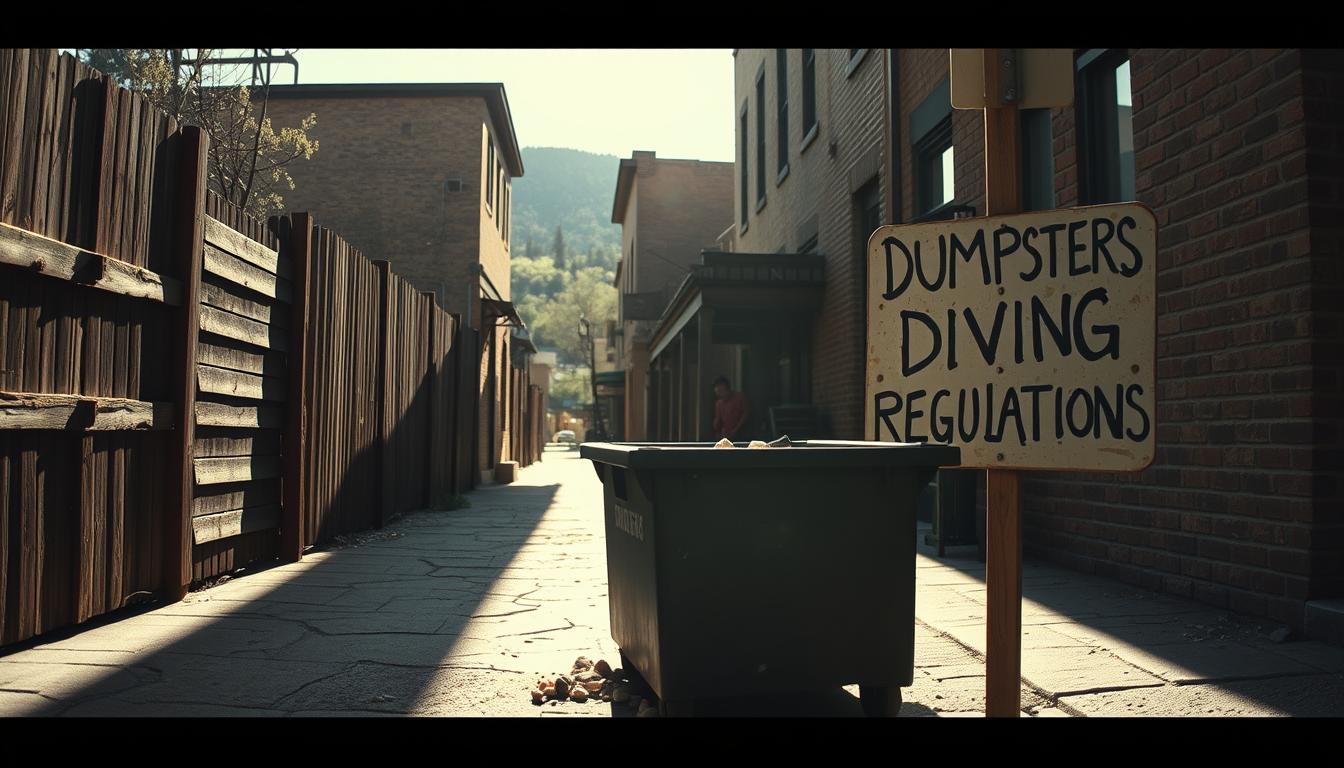
Is It Legal To Dumpster Dive In Vermont? Yes, dumpster diving is generally legal in Vermont when done on public property or with permission from private property owners. However, local ordinances and trespassing laws can still apply, so you need to understand the specific rules in your area.
Vermont follows federal precedent established by California v. Greenwood, which ruled that discarded items in public areas have no expectation of privacy. This means once trash reaches a public curb or dumpster on public property, it’s fair game for collection.
TL;DR
- Vermont has no state law prohibiting dumpster diving in public areas or with property owner consent.
- California v. Greenwood court case established that discarded items lose privacy protection once placed for collection.
- Trespassing penalties in Vermont can include fines up to $500 for first-time offenses on private property.
- Burlington and Montpelier have specific waste management ordinances that may restrict dumpster access during certain hours.
Is It Legal To Dumpster Dive In Vermont
Vermont state law does not specifically prohibit dumpster diving when conducted legally. The key distinction lies in where the dumpster is located and whether you have permission to access it.
Public property dumpsters are generally accessible, while private property requires explicit consent from the owner. Understanding the ethics behind dumpster diving helps you make responsible decisions about when and where to dive.
Federal Court Precedent
The 1988 California v. Greenwood Supreme Court case established that people have no reasonable expectation of privacy for items they discard. This ruling applies nationwide, including Vermont, meaning discarded items become public domain once placed for collection.
State-Specific Considerations
Vermont’s property laws emphasize respect for private ownership while allowing reasonable access to public waste. The state’s environmental consciousness also means many communities support waste reduction efforts, which can include salvaging usable items.
Understanding Vermont Trespassing Laws
Vermont Statute Title 13, Chapter 81 defines unlawful trespass as knowingly entering or remaining on another’s property without permission. This applies directly to dumpster diving on private commercial or residential property.
First-time trespass offenses can result in fines up to $500, while repeat violations may carry higher penalties. Always verify property boundaries before approaching any dumpster to avoid legal complications.
Private Property Restrictions
- Posted Signs – “No Trespassing” or “Private Property” signs create clear legal boundaries you must respect.
- Fenced Areas – Climbing fences or bypassing barriers constitutes unlawful entry regardless of waste accessibility.
- Business Hours – Some businesses allow daytime access but prohibit after-hours entry to their property.
- Gated Communities – Residential areas with controlled access typically prohibit non-resident dumpster diving.
Local Ordinances and Regulations
Vermont municipalities can enact their own waste management rules that may affect dumpster diving legality. Cities like Burlington and Montpelier have specific ordinances governing waste collection and disposal.
Some towns restrict access to municipal dumpsters during overnight hours or require permits for large-scale salvage operations. Check with your local city clerk’s office for current regulations in your area.
Common Municipal Restrictions
- Time Limits. Many towns prohibit dumpster access between 10 PM and 6 AM to reduce noise complaints.
- Volume Restrictions. Some ordinances limit how much material one person can remove from public waste containers.
- Safety Requirements. Certain areas mandate safety equipment like gloves and flashlights for waste handling.
- Cleanup Obligations. Most municipalities require divers to clean up any scattered debris they create.
Research Local Laws First
Call your city hall or visit their website before your first dive to understand specific local regulations. This prevents costly fines and ensures you’re diving within legal boundaries.
Best Practices for Legal Dumpster Diving
Following established safety and legal protocols protects you from both injury and legal trouble. Personal safety should always be your top priority when exploring waste containers.
Start by identifying public locations where dumpster access is clearly permitted. Municipal waste transfer stations, public parks, and roadside collection points typically allow legal salvaging.
Safe and Legal Locations
- Curbside Pickup – Items placed for collection on public streets are generally accessible until pickup occurs.
- Public Dumpsters – Waste containers in parks, rest areas, and municipal facilities allow public access.
- Construction Sites – Only with explicit contractor permission and during approved hours.
- Apartment Complexes – Requires property management approval and tenant agreement where applicable.
What You Can and Cannot Take
Vermont law doesn’t restrict what items you can salvage from legal dumpster diving locations. However, some materials require special handling or may be prohibited by local health departments.
Focus on non-perishable items, furniture, electronics, and building materials that pose minimal health risks. Many divers find valuable treasures in commercial waste from retail stores and offices.
Valuable Items to Look For
- Electronics – Computers, phones, and appliances often work with minor repairs.
- Furniture – Solid wood pieces and office furniture retain good resale value.
- Building Materials – Lumber, hardware, and fixtures from construction projects.
- Books and Media – Educational materials and collectibles from bookstore or library disposals.
Items to Avoid
- Medical Waste – Anything from healthcare facilities poses serious health risks.
- Spoiled Food – Perishable items can cause illness and attract pests.
- Chemicals – Cleaning supplies, paint, and solvents require hazardous waste disposal.
- Personal Documents – Identity theft concerns make these items off-limits ethically and sometimes legally.
Environmental Impact and Community Benefits
Vermont’s strong environmental values align well with responsible dumpster diving practices. Salvaging usable items reduces landfill waste and supports the state’s waste reduction goals.
Many Vermont communities encourage waste diversion through official programs like free stores and community swap events. Dumpster diving can be a form of environmental activism that highlights waste problems while providing practical solutions.
Articles You May Like
Frequently Asked Questions
Can I dumpster dive at Walmart or Target in Vermont?
Only with explicit permission from store management, as these are private properties. Most major retailers prohibit dumpster diving and may prosecute for trespassing.
What time of day is best for legal dumpster diving in Vermont?
Daytime hours are generally safest and most legal, typically between 6 AM and 8 PM. Many municipalities restrict nighttime access to reduce noise and safety concerns.
Do I need permission from apartment building owners?
Yes, apartment dumpsters are on private property and require explicit consent from property management. Always ask before diving on rental property.
Are there any Vermont cities that completely ban dumpster diving?
No Vermont municipalities have outright bans on dumpster diving, but many have time restrictions and location-specific rules. Check local ordinances for specific regulations.
What should I do if confronted by police while dumpster diving?
Remain calm, be respectful, and explain you’re on public property following local laws. Have identification ready and be prepared to leave if requested.
Final Thoughts
Is It Legal To Dumpster Dive In Vermont comes down to respecting property rights while taking advantage of legal opportunities to salvage waste. Focus on public locations and always get permission for private property access.
Start with a methodical approach that prioritizes safety and legal compliance over quick finds.