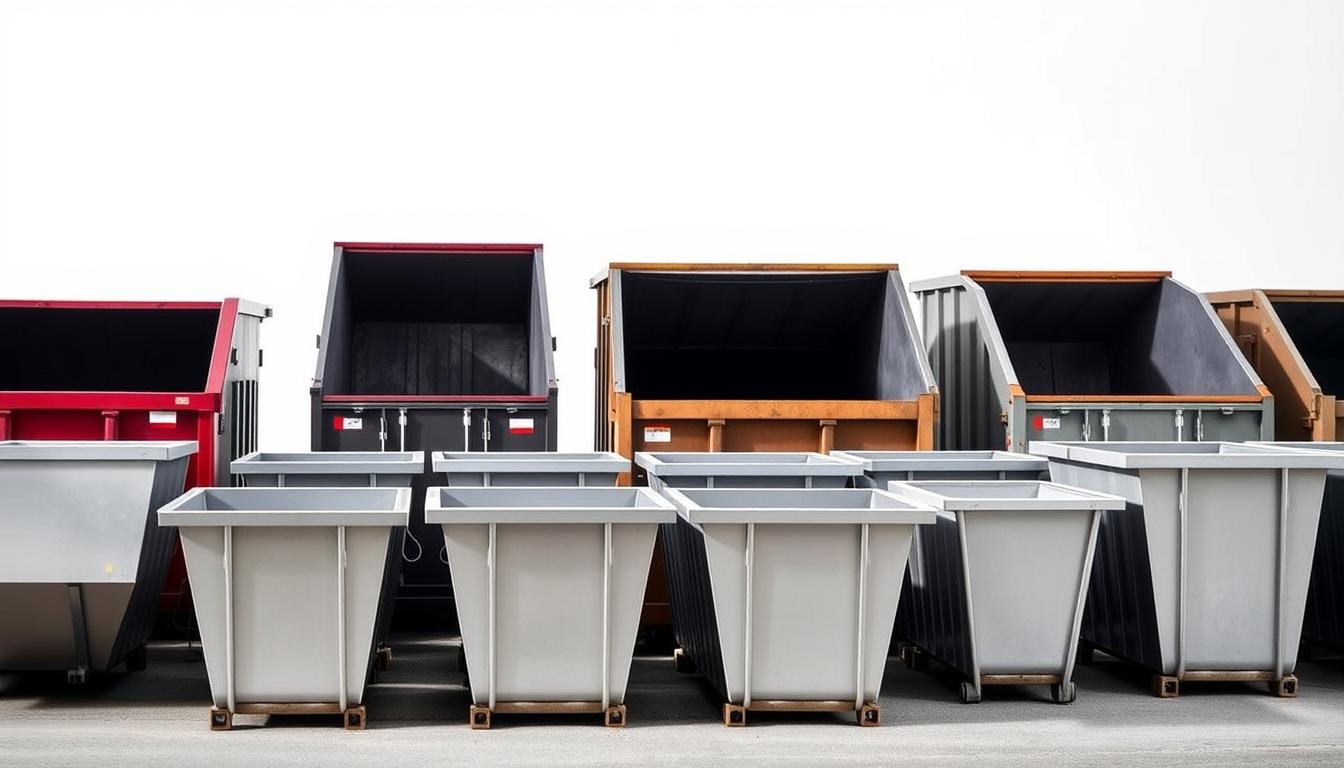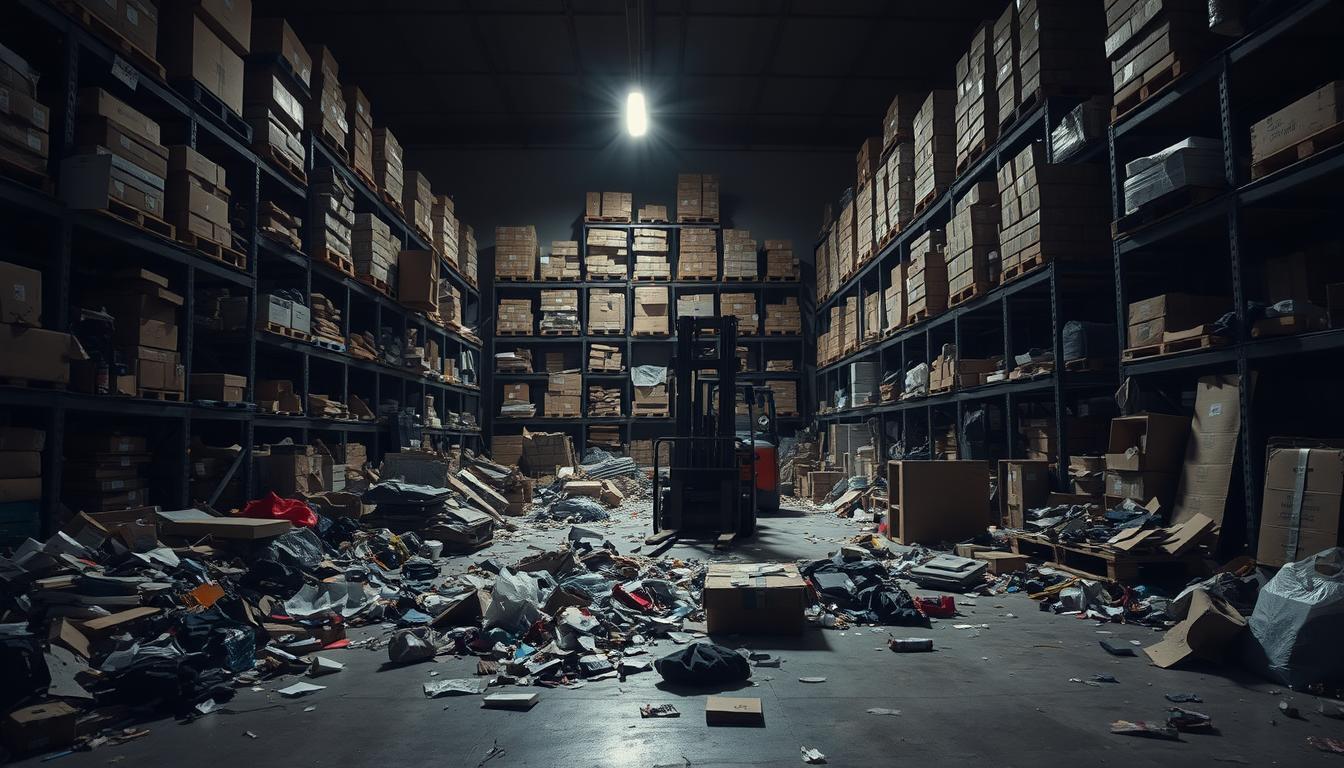
Why Stores Throw Away Items might surprise you once you understand the complex web of business decisions, legal requirements, and consumer expectations that drive retail waste. Most people assume stores only discard damaged or expired products, but the reality involves much more strategic considerations.
Understanding these reasons helps explain why dumpster diving can be so profitable – and why perfectly good merchandise ends up in the trash every single day. The scale of retail waste creates opportunities for those willing to look beyond the surface.
TL;DR
- Stores throw away $18 billion worth of unsold inventory annually in the US alone.
- Seasonal items get discarded within 48 hours after holidays to make room for new merchandise.
- Food retailers discard products 1-3 days before expiration dates due to liability concerns.
- Returns policy abuse costs retailers $816 billion yearly, leading to automatic disposal of many returned items.
Why Stores Throw Away Items
Retail waste stems from multiple business pressures that force stores to prioritize efficiency over conservation. Space constraints, inventory turnover requirements, and profit margins create a system where disposal often costs less than storage or redistribution.
The average retail store operates on razor-thin profit margins of 2-3%, making every square foot of storage space valuable. When products don’t sell within expected timeframes, stores face a choice between paying for storage or cutting losses through disposal.
Seasonal and Holiday Merchandise
Seasonal items represent the largest category of retail waste because stores must clear inventory quickly to prepare for the next selling season. Halloween decorations become worthless on November 1st, and Christmas merchandise loses most of its value after December 25th.
Major retailers like Target and Walmart follow strict markdown schedules that end in disposal rather than extended storage. This creates predictable opportunities for dumpster divers who understand retail cycles.
- Holiday decorations – Discarded within 48-72 hours after each holiday.
- Seasonal clothing – Summer items cleared in August, winter items in February.
- Garden supplies – Disposed of in late fall to make room for indoor merchandise.
- Back-to-school items – Thrown away in mid-September when demand drops.
Food Safety and Expiration Policies
Grocery stores and food retailers maintain conservative expiration policies that result in massive food waste. Most stores remove products from shelves 1-3 days before the actual expiration date to avoid any risk of customer complaints or legal issues.
The “sell by” date differs significantly from the “use by” date, but stores treat both conservatively. This practice protects retailers from liability while creating substantial waste streams that dumpster divers can tap into safely.
- Dairy products. Removed 2-3 days before expiration for freshness perception.
- Bakery items. Discarded daily to maintain appearance of fresh inventory.
- Produce. Thrown away at first signs of cosmetic imperfection.
- Frozen foods. Disposed of immediately if packaging shows any damage.
Returns and Customer Service Policies
Liberal return policies create enormous waste because many returned items cannot be resold as new merchandise. Even unopened products often get discarded rather than restocked due to contamination concerns or packaging damage during the return process.
Electronics retailers like Best Buy face particular challenges with returned tech products that may have been opened or used. Rather than testing every returned item, many stores find disposal more cost-effective than verification and restocking.
Categories Most Affected by Return Policies
- Electronics – High return rates due to buyer’s remorse and compatibility issues.
- Clothing – Size and fit problems lead to frequent returns and disposal.
- Personal care items – Health regulations prevent resale of most returned cosmetics.
- Home goods – Furniture and appliances often too costly to inspect and restock.
Best Times to Find Quality Discards
Check dumpsters on Monday evenings and Tuesday mornings when stores process weekend returns. This timing coincides with the highest volume of returned merchandise hitting disposal bins.
Inventory Management and Space Constraints
Modern retail operates on “just-in-time” inventory systems that prioritize cash flow over waste reduction. Stores receive constant shipments of new merchandise, creating pressure to move older inventory quickly regardless of its condition or sellability.
When storage space runs out, perfectly good products get discarded to make room for new arrivals. This business model treats disposal costs as acceptable losses compared to the opportunity cost of tying up capital in slow-moving inventory.
Factors Driving Inventory Disposal
- Warehouse capacity limits – Physical space constraints force regular purges.
- Cash flow requirements – New inventory generates sales while old inventory ties up money.
- Seasonal turnover pressure – Predictable sales cycles demand rapid inventory changes.
- Vendor agreements – Some suppliers require retailers to clear competing products.
Damaged Packaging and Cosmetic Issues
Products with minor cosmetic damage often function perfectly but cannot be sold at full retail price. Rather than managing separate discount sections or markdown processes, many stores find disposal more efficient for maintaining their brand image.
Consumer expectations for perfect packaging drive much of this waste, as stores like Costco prefer to maintain premium presentation rather than sell slightly damaged goods. This creates opportunities for dumpster divers who don’t mind cosmetic imperfections.
Legal and Liability Concerns
Fear of lawsuits motivates many disposal decisions, especially for products that could potentially cause harm if used improperly. Stores prefer the certainty of disposal costs over the unknown risk of liability claims from discounted or donated merchandise.
Insurance policies often require specific disposal procedures for certain product categories. According to FTC guidelines, these requirements can make donation or resale legally complicated while disposal remains straightforward and defensible.
High-Risk Categories for Legal Concerns
- Recalled products – Must be disposed of according to manufacturer instructions.
- Medications and supplements – Strict regulations prevent any redistribution.
- Baby products – High liability risks lead to conservative disposal policies.
- Automotive items – Safety concerns override waste reduction considerations.
Articles You May Like
Frequently Asked Questions
How much merchandise do stores throw away annually?
US retailers discard approximately $18 billion worth of unsold inventory each year, with food waste accounting for another $40 billion in grocery stores alone according to FDA data.
Is it legal to take items from store dumpsters?
Dumpster diving legality varies by state and local jurisdiction, but many areas allow it on public property. Check your local laws before diving.
Why don’t stores donate unsold items instead of throwing them away?
Donation requires sorting, transportation, and tax documentation that often costs more than disposal, plus stores face potential liability concerns with donated products.
What types of stores generate the most waste?
Grocery stores, big-box retailers, electronics stores, and seasonal retailers like garden centers produce the highest volumes of discarded merchandise.
Final Thoughts
Why Stores Throw Away Items reveals a complex system where business efficiency often conflicts with waste reduction goals. Understanding these motivations helps explain the steady stream of perfectly usable merchandise that ends up in dumpsters across the country.
For those interested in dumpster diving, recognizing these patterns can lead to more successful and profitable finds while reducing overall waste.