Handle Police Dumpster Diving encounters require preparation and knowledge of your rights to avoid unnecessary complications. Most dumpster diving activities occur on private property or in areas where law enforcement may question your presence. Understanding how to interact professionally with officers while protecting your legal rights makes the difference between a brief conversation and a potential arrest.
Police officers often approach dumpster divers due to trespassing concerns, suspicious activity reports, or routine patrols. Your response and behavior during these encounters directly impact the outcome, making it essential to know proper procedures before you start diving.
TL;DR
- Always carry ID and know your local trespassing laws before diving in any location.
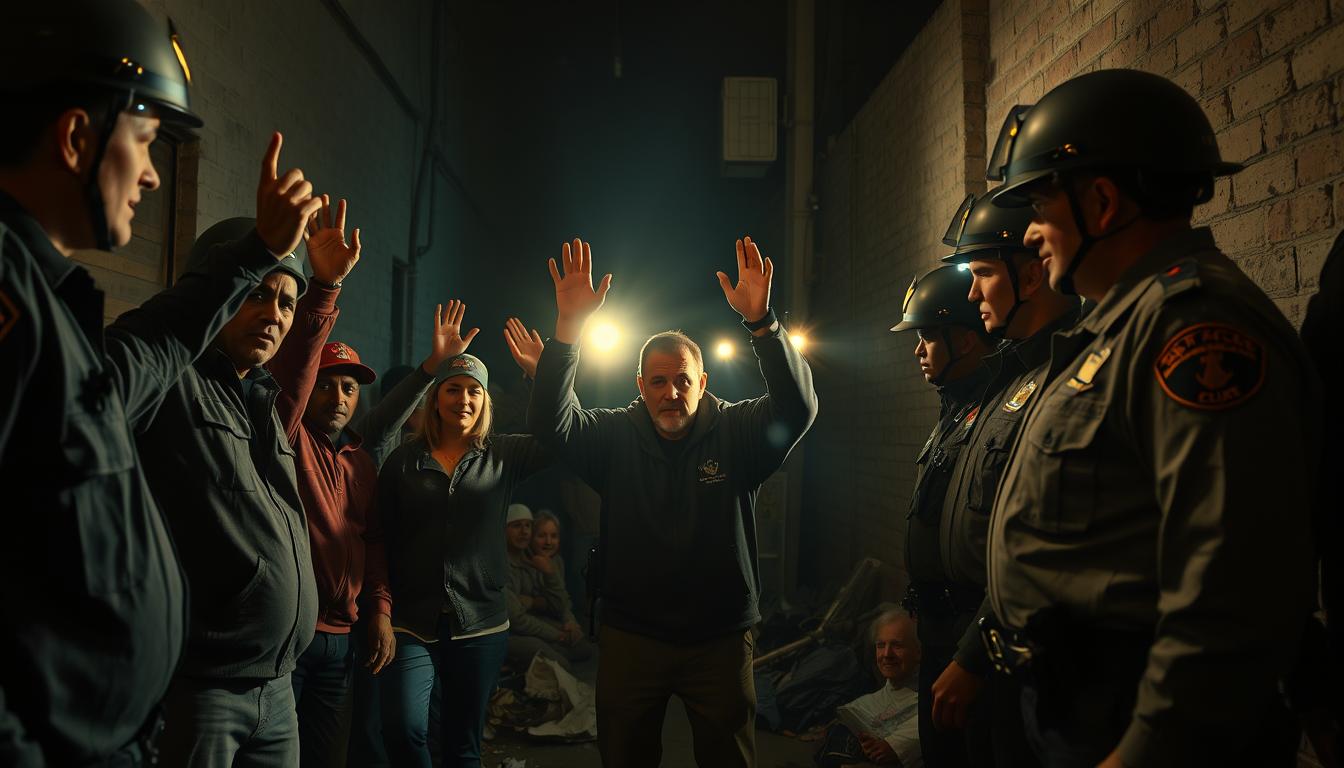
- Remain calm, keep hands visible, and never argue with officers during encounters.
- Ask “Am I free to leave?” to determine if you’re being detained or can walk away.
- Document the encounter with names, badge numbers, and time if issues arise.
Handle Police Dumpster Diving: Know Your Rights
Your legal rights during police encounters remain the same whether you’re dumpster diving or walking down the street. Officers can approach and speak with anyone in public, but they need reasonable suspicion of criminal activity to detain you.
The Fourth Amendment protects you from unreasonable searches and seizures. This means police cannot search your bags, car, or person without probable cause, a warrant, or your consent.
Understanding Police Authority
Police officers have three levels of interaction with civilians. A casual conversation allows you to leave at any time, while a detention requires reasonable suspicion of criminal activity.
- Consensual encounter – Officer approaches for friendly conversation, you can leave anytime.
- Investigative detention – Officer has reasonable suspicion, you must stay but aren’t under arrest.
- Arrest – Officer has probable cause that you committed a crime.
Proper Behavior During Police Encounters
Your demeanor and actions determine how smoothly the encounter proceeds. Officers respond better to cooperative, respectful individuals who understand the situation.
Keep your hands visible at all times and avoid sudden movements that might alarm the officer. Reaching into pockets or bags without permission can escalate the situation unnecessarily.
Essential Communication Tips
- Stay calm and respectful. Arguing or becoming defensive only creates problems and gives officers reason to investigate further.
- Ask if you’re being detained. This clarifies whether you must stay or can leave the area immediately.
- Exercise your right to remain silent. You don’t have to answer questions beyond providing identification in most states.
- Never consent to searches. Clearly state “I do not consent to any searches” if asked.
Legal Preparation Before Diving
Research local laws and ordinances before visiting any dumpster location. City councils often pass specific anti-scavenging rules that differ from state trespassing laws.
Understanding personal safety tips for dumpster divers includes knowing legal boundaries in your area. Some municipalities allow dumpster diving on public property while prohibiting it near private businesses.
Required Documentation
Always carry valid identification when dumpster diving. Officers can ask for ID during legitimate investigations, and refusing to provide it may give them grounds for detention.
- Driver’s license or state ID – Required in most states when requested by police.
- Property ownership documents – If diving on your own property or with permission.
- Business license – If you’re diving for commercial purposes in some areas.
Document Everything
Write down officer names, badge numbers, and patrol car numbers immediately after any encounter. This information becomes important if legal issues develop later.
Common Police Questions and Responses
Officers typically ask standard questions during dumpster diving encounters. Preparing appropriate responses helps you navigate these conversations while protecting your rights.
Remember that you’re not required to answer most questions beyond identifying yourself. Polite silence often works better than detailed explanations that might contradict local laws.
Typical Questions and Suggested Responses
- “What are you doing here?” – “I’m exercising my legal right to collect discarded items from public areas.”
- “Do you have permission?” – “I’m not on private property” (only if true) or “Am I being detained?”
- “Can I search your bags?” – “I do not consent to any searches.”
- “Where do you live?” – Provide your address if you have proper ID, otherwise invoke your right to remain silent.
When Encounters Go Wrong
Some police encounters escalate despite your best efforts to remain cooperative and respectful. Knowing how to handle these situations protects you from additional charges or complications.
Never resist arrest, even if you believe it’s unlawful. Fighting charges in court is always safer than fighting officers on the street.
Steps for Problematic Encounters
- Stay calm and comply with lawful orders. Follow directions about where to stand or place your hands.
- Clearly state your rights. Say “I’m invoking my right to remain silent” and “I want a lawyer.”
- Document everything you can remember. Mental notes about time, location, and officer behavior help later.
- Contact an attorney immediately. Don’t discuss the case with anyone except your lawyer.
Location-Specific Considerations
Different locations present unique challenges when dealing with police encounters. Shopping centers have different rules than residential areas, and industrial zones may have additional safety concerns.
Understanding location specific strategies for dumpster diving includes knowing which areas attract more police attention. Schools, hospitals, and government buildings typically have stricter enforcement than retail locations.
High-Risk Locations
- Government buildings – Federal and state property often has additional security measures.
- Medical facilities – HIPAA and biohazard concerns create stricter enforcement.
- Schools – Zero-tolerance policies and safety concerns increase police presence.
- Banks and financial institutions – Security cameras and alarm systems trigger faster police response.
Building Positive Relationships
Regular divers in the same areas often encounter the same officers repeatedly. Building positive relationships through professional behavior can prevent future problems.
Officers who understand your activities and see you following proper procedures are less likely to view you as a threat. This familiarity can turn potential arrests into friendly conversations.
Professional Behavior Standards
- Follow all traffic laws – Park legally and use proper lighting when necessary.
- Clean up after yourself – Never leave trash scattered or create additional messes.
- Respect property boundaries – Stay in public areas and avoid private property without permission.
- Dive during appropriate hours – Avoid late-night activities in residential areas.
Articles You May Like
Frequently Asked Questions
Do I have to show ID to police while dumpster diving?
Most states require you to provide identification when lawfully detained by police. Refusing to show ID during a legitimate investigation can lead to additional charges.
Can police search my bags without permission?
Police need probable cause, a warrant, or your consent to search bags or vehicles. Clearly stating “I do not consent to searches” protects your Fourth Amendment rights.
What should I do if arrested while dumpster diving?
Remain calm, don’t resist, and invoke your right to remain silent and request an attorney. Never discuss the case with anyone except your lawyer.
Are police encounters different in various states?
Yes, state laws vary regarding identification requirements, trespassing definitions, and dumpster diving legality. Research local laws before diving in new areas.
Final Thoughts
Handle Police Dumpster Diving encounters successfully by staying informed about your rights and maintaining professional behavior throughout the interaction. Preparation and knowledge prevent most complications and help you navigate challenging situations when they arise.
Start by researching local laws and practicing proper responses to common police questions. Building these skills now protects you during future encounters and helps establish positive relationships with law enforcement in your diving areas.