
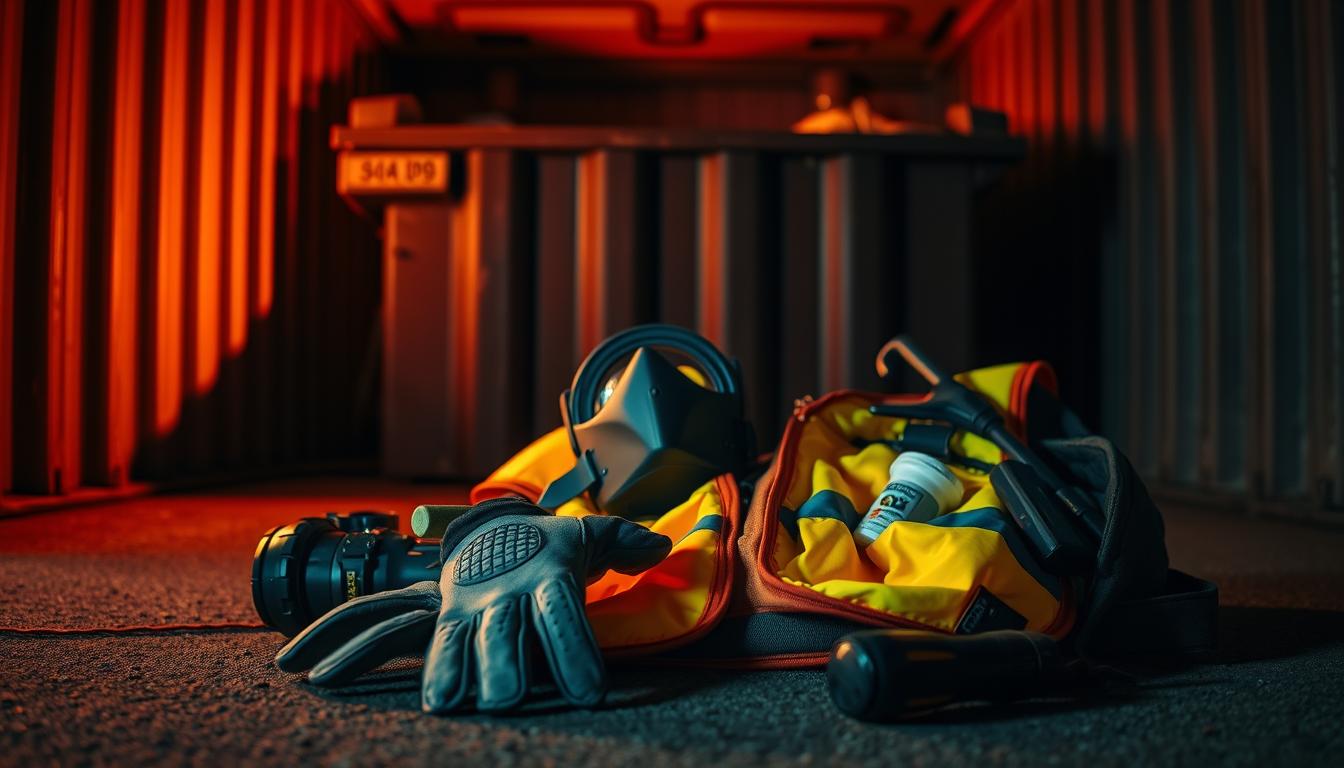
Dumpster Diving Safety Gear is essential equipment that protects you from injuries, contamination, and health hazards while searching through waste containers. Having the right protective equipment can mean the difference between a successful dive and a dangerous situation that puts your health at risk.
Professional divers know that investing in quality safety gear isn’t just smart – it’s necessary for anyone who takes this activity seriously. The right equipment allows you to focus on finding valuable items instead of worrying about cuts, infections, or toxic exposure.
TL;DR
- Heavy-duty work gloves prevent 95% of hand injuries from sharp objects and contaminated materials.
- Steel-toe boots protect your feet from puncture wounds and provide grip on slippery surfaces.
- LED headlamps with 300+ lumens illuminate dark dumpsters while keeping your hands free.
- First aid kits should include antiseptic wipes, bandages, and emergency contact information.
Dumpster Diving Safety Gear Essentials
Your safety gear setup should cover three main areas: personal protection, visibility, and emergency preparedness. Each piece serves a specific purpose in keeping you safe during your dives.
Quality gear pays for itself by preventing injuries that could cost hundreds in medical bills. Start with the basics and add specialized equipment as you gain experience.
Hand and Arm Protection
Heavy-duty work gloves are your first line of defense against cuts, punctures, and contamination. Look for gloves that extend past your wrists to protect your forearms when reaching deep into containers.
- Leather work gloves – Best for general protection against sharp objects and rough surfaces.
- Nitrile-coated gloves – Provide chemical resistance while maintaining dexterity.
- Cut-resistant gloves – Made with Kevlar fibers to prevent blade and glass injuries.
- Extended cuff gloves – Protect forearms when reaching into deep containers.
Foot and Leg Protection
Proper footwear protects against puncture wounds from nails, glass, and other sharp debris commonly found around dumpsters. Your shoes should also provide good traction on potentially slippery surfaces.
- Steel-toe boots – Protect against heavy objects and crushing injuries.
- Puncture-resistant soles – Prevent nails and sharp objects from penetrating.
- Waterproof materials – Keep feet dry in wet conditions.
- High ankle support – Reduce risk of sprains on uneven ground.
Visibility and Lighting Equipment
Good lighting is critical for spotting valuable items and avoiding hazards. Many successful finds happen in dark corners where inadequate lighting would miss them completely.
Your lighting setup should provide both hands-free illumination and focused beam options. This combination lets you safely move around while still being able to examine items closely.
Primary Lighting Options
- LED headlamp – Provides hands-free lighting with adjustable beam focus.
- Tactical flashlight – Offers powerful focused beam for detailed inspection.
- Clip-on work light – Attaches to clothing for constant area illumination.
- UV blacklight – Reveals bodily fluids and certain chemicals for safety.
Visibility Safety Gear
Making yourself visible to others prevents accidents, especially when diving near traffic or in areas with vehicle movement. Reflective gear also helps security or property owners spot you from a distance.
- Reflective safety vest – Makes you visible to drivers and security personnel.
- LED safety lights – Clip-on lights that flash to draw attention.
- Reflective tape – Add to existing clothing and equipment for visibility.
Respiratory and Eye Protection
Dumpsters contain dust, mold spores, and potentially harmful fumes that can damage your respiratory system. Eye protection prevents debris from causing injuries or infections.
This protection becomes even more important when diving at locations that may contain chemical waste or medical materials. Handling hazardous materials requires extra precautions beyond basic safety gear.
Respiratory Protection Options
- N95 masks – Filter out dust and airborne particles effectively.
- Half-face respirators – Provide better seal and protection against fumes.
- Disposable dust masks – Lightweight option for light-duty protection.
- Full-face respirators – Maximum protection for hazardous environments.
Eye Protection
- Safety glasses – Basic protection against debris and splashes.
- Safety goggles – Wraparound protection with side coverage.
- Face shields – Full face protection for high-risk situations.
Budget-Friendly Safety Setup
Start with work gloves, safety glasses, and a basic headlamp for under $50. You can upgrade individual pieces as you gain experience and identify your specific needs.
Emergency and First Aid Equipment
Accidents can happen even with the best safety gear, so being prepared with first aid supplies is essential. Your kit should address the most common dumpster diving injuries: cuts, scrapes, and puncture wounds.
Keep your first aid kit easily accessible and check expiration dates regularly. Know how to use everything in your kit before you need it in an emergency situation.
First Aid Kit Essentials
- Clean wound immediately. Use antiseptic wipes to prevent infection from contaminated materials.
- Stop bleeding with pressure. Apply sterile bandages and maintain pressure until bleeding stops.
- Cover wounds properly. Use adhesive bandages or gauze to keep dirt and bacteria out.
- Monitor for infection signs. Watch for redness, swelling, or unusual discharge over the next few days.
Emergency Communication
Always carry a charged cell phone and inform someone of your diving location and expected return time. Consider carrying a whistle or personal alarm in case you need to attract attention quickly.
- Fully charged phone – Essential for emergency calls and GPS navigation.
- Emergency contact list – Keep important numbers readily available.
- Whistle or personal alarm – Attracts attention if you’re trapped or injured.
- Portable phone charger – Ensures communication capability during long sessions.
Specialized Safety Equipment
Advanced divers often invest in specialized gear for specific situations or locations. This equipment becomes valuable when you start focusing on particular types of dumpsters or diving in challenging conditions.
Consider your diving style and preferred locations when deciding which specialized gear makes sense for your setup. Location-specific strategies often require different safety approaches.
Advanced Protection Gear
- Knee pads – Protect when kneeling to sort through items at ground level.
- Utility belt – Keeps tools and safety equipment easily accessible.
- Grabber tools – Reach items without putting hands into unknown areas.
- Cut-resistant sleeves – Protect arms when reaching through tight spaces.
Weather-Specific Gear
Different weather conditions require adapted safety approaches. Rain makes surfaces slippery and reduces visibility, while extreme heat can cause dehydration and heat exhaustion.
- Rain gear – Waterproof jacket and pants for wet conditions.
- Non-slip shoe covers – Add traction on wet surfaces.
- Insulated gloves – Maintain dexterity in cold weather.
- Cooling towels – Prevent overheating during summer dives.
Gear Maintenance and Care
Your safety equipment only protects you when it’s in good working condition. Regular cleaning and maintenance prevent gear failure when you need protection most.
Establish a routine for cleaning and inspecting your gear after each diving session. Replace worn or damaged items immediately rather than risking injury to save money.
Cleaning and Storage
- Disinfect reusable items – Use appropriate cleaners for different materials.
- Air dry completely – Prevents mold and bacterial growth in storage.
- Store in clean containers – Keep gear organized and contamination-free.
- Replace disposable items – Restock masks, wipes, and bandages regularly.
Inspection Schedule
- Check before each dive. Inspect gloves for holes and equipment for damage.
- Weekly deep inspection. Examine all gear thoroughly for wear and tear.
- Monthly replacement review. Replace items approaching end of useful life.
- Quarterly complete overhaul. Update first aid supplies and upgrade worn equipment.
Articles You May Like
Frequently Asked Questions
What safety gear do I absolutely need for dumpster diving?
Essential gear includes heavy-duty work gloves, closed-toe shoes with puncture-resistant soles, safety glasses, and a reliable flashlight or headlamp. This basic setup protects against the most common injuries.
How much should I spend on safety equipment?
A basic safety kit costs $50-$100, while professional-grade equipment ranges from $200-$500. Start with budget-friendly basics and upgrade pieces as you gain experience and identify your specific needs.
Do I need different gear for different types of dumpsters?
Yes, residential dumpsters require basic protection, while commercial or medical waste containers need enhanced respiratory protection and chemical-resistant materials. Match your gear to the specific risks of your diving locations.
How often should I replace my safety equipment?
Replace gloves when you notice holes or reduced grip, boots when soles show excessive wear, and first aid supplies before expiration dates. Inspect all gear before each dive and replace anything that shows damage.
Is it worth investing in expensive safety gear?
Quality safety gear prevents injuries that could cost hundreds in medical bills and lost time. Invest in well-made items for critical protection like gloves and footwear, but budget options work fine for less essential accessories.
Final Thoughts
Dumpster Diving Safety Gear transforms a potentially dangerous activity into a manageable hobby with proper risk mitigation. The right equipment protects your health while allowing you to focus on finding valuable items instead of worrying about injuries.
Start building your safety kit today with the essentials, and expand your equipment as you gain experience. Remember that personal safety practices work hand-in-hand with quality gear to keep you protected during every dive.


