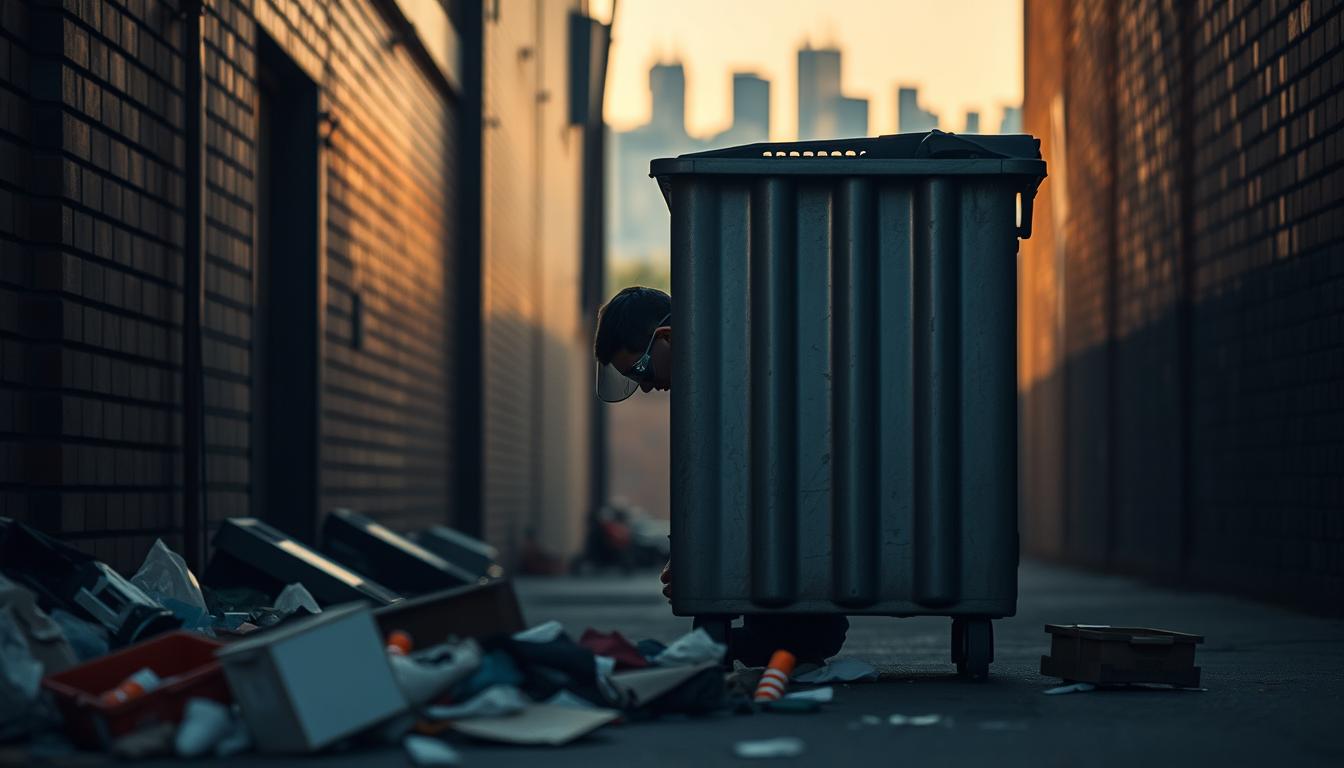
Dangerous Dumpsters pose serious risks that every scavenger needs to understand before diving in. While dumpster diving can yield valuable finds, certain containers harbor hazards that could cause injury, illness, or worse if you’re not prepared.
Smart divers learn to spot warning signs and avoid high-risk situations entirely. This guide covers the most dangerous types of dumpsters and how to stay safe while exploring urban treasure hunting opportunities.
TL;DR
- Medical facility dumpsters contain biohazards like needles and infectious waste that can cause serious illness.
- Chemical plant and industrial dumpsters may hold toxic substances that release dangerous fumes or cause burns.
- Construction site containers often contain sharp metal, broken glass, and unstable debris that can collapse.
- Restaurant dumpsters attract rats and roaches while harboring bacteria from rotting food that causes food poisoning.
Dangerous Dumpsters You Should Never Explore
Some dumpsters present such extreme risks that no potential find is worth the danger. These containers regularly contain materials that can cause permanent injury or death.
Medical facilities top the list of dumpsters to avoid completely. Hospitals, clinics, and dental offices dispose of needles, blood-soaked materials, and infectious waste that can transmit diseases like hepatitis and HIV.
Medical and Healthcare Facilities
Healthcare dumpsters contain multiple biohazards that make them extremely dangerous. Used syringes can cause needle stick injuries that expose you to bloodborne pathogens.
Other medical waste includes:
- Surgical instruments – sharp scalpels and broken glass from medical equipment.
- Contaminated bandages – materials soaked with blood and bodily fluids.
- Pharmaceutical waste – expired drugs that can be toxic if handled.
- Laboratory specimens – tissue samples and cultures that may contain viruses or bacteria.
Chemical and Industrial Sites
Chemical plants, laboratories, and manufacturing facilities dispose of toxic substances that can cause burns, respiratory damage, or poisoning. These materials often have no visible warning signs but release dangerous fumes.
Industrial hazards include:
- Corrosive chemicals – acids and bases that burn skin on contact.
- Volatile solvents – substances that release toxic vapors you can inhale.
- Heavy metals – lead, mercury, and other elements that cause organ damage.
- Radioactive materials – waste from research facilities or medical equipment.
Construction and Demolition Dumpsters
Construction sites present physical dangers from unstable debris piles and sharp materials. These dumpsters often contain asbestos from older buildings and lead paint chips that cause serious health problems.
The debris inside construction dumpsters can shift unexpectedly, crushing anyone underneath. Sharp metal edges, broken glass, and exposed nails create additional injury risks that require extreme caution.
Visual Warning Signs
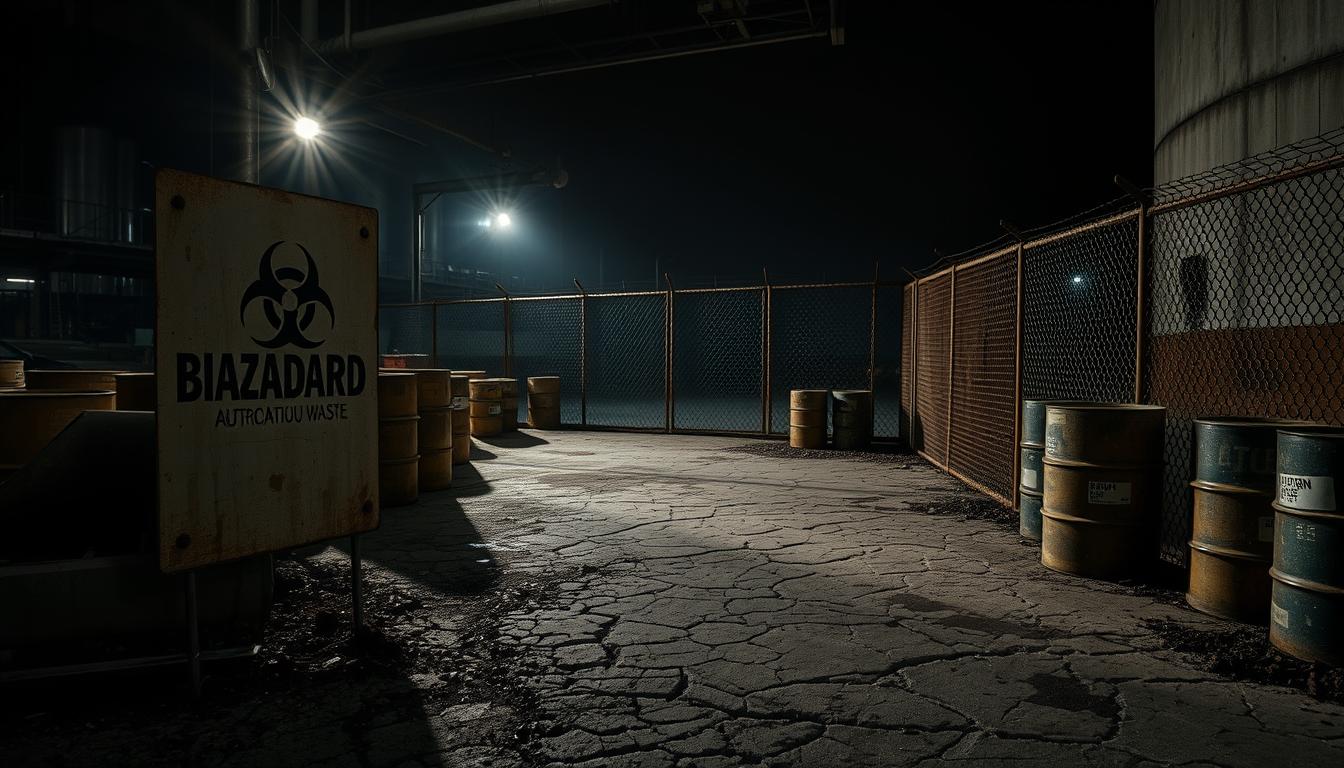
Look for biohazard symbols, chemical warning labels, or “DANGER” signs posted near dumpsters. These markers indicate serious hazards that require professional disposal methods.
Unstable Materials and Collapse Risks
Large pieces of concrete, drywall, and lumber create unstable piles that can collapse without warning. Climbing on construction debris puts you at risk of being buried under heavy materials.
Additional construction hazards include:
- Exposed rebar – steel rods that can puncture skin and cause deep wounds.
- Broken tiles – sharp ceramic pieces that slice through gloves and skin.
- Insulation materials – fiberglass that irritates lungs and skin.
- Paint cans – containers with toxic fumes and lead-based materials.
Food Service and Restaurant Dumpsters
Restaurant dumpsters attract disease-carrying pests and harbor dangerous bacteria from decomposing food. The warm, moist environment creates perfect conditions for harmful microorganisms to multiply rapidly.
Rotting meat and dairy products produce toxic gases and bacteria that cause severe food poisoning. Even sealed containers may have leaked, contaminating everything around them with dangerous pathogens.
Pest Infestation and Disease Vectors
Rats, cockroaches, and flies thrive in restaurant dumpsters, spreading diseases through their droppings and contamination. These pests carry bacteria, viruses, and parasites that can make you seriously ill.
Common restaurant dumpster hazards:
- Salmonella contamination – bacteria from raw chicken and eggs that causes severe illness.
- E. coli exposure – dangerous bacteria from meat products that can be fatal.
- Rat droppings – waste that carries hantavirus and other serious diseases.
- Broken glass – bottles and dishes that create hidden cutting hazards.
How to Identify Dangerous Dumpsters
Learning to spot dangerous dumpsters before you approach them can prevent serious injuries and health problems. Visual cues and location context provide important clues about potential hazards inside.
Check for warning signs, unusual odors, or visible hazardous materials before getting close to any dumpster. When in doubt, it’s always better to walk away and find a safer alternative.
Warning Signs and Red Flags
Several visual indicators can alert you to dangerous dumpsters from a safe distance. Professional waste disposal companies use specific markings to identify hazardous materials.
Key warning signs to watch for:
- Biohazard symbols. Red bags or containers marked with the biological hazard symbol indicate medical waste.
- Chemical warning labels. Drums or containers with hazard diamonds show dangerous chemical contents.
- Strong chemical odors. Unusual smells that burn your nose or throat signal toxic substances.
- Specialized disposal containers. Metal drums, sealed bags, or marked containers suggest hazardous materials.
Safe Alternatives and Best Practices
Focus your dumpster diving efforts on safer locations that offer good finds without extreme risks. Retail stores, office buildings, and apartment complexes typically contain less dangerous materials while still providing valuable items.
Always follow proper safety protocols when exploring any dumpster, including wearing protective gear and bringing a flashlight for visibility. Personal safety measures become even more critical when you encounter unexpected hazards.
Recommended Safe Locations
Certain types of businesses and facilities typically dispose of safer materials that present fewer health risks. These locations often yield good finds without the extreme dangers found in medical or industrial dumpsters.
Safer dumpster diving locations include:
- Office buildings – paper, electronics, and furniture without biological hazards.
- Retail clothing stores – damaged merchandise and packaging materials.
- Electronics stores – returned items and packaging from consumer goods.
- Apartment complexes – household items and furniture from tenant turnover.
Articles You May Like
Frequently Asked Questions
What should I do if I accidentally encounter hazardous materials?
Leave the area immediately without touching anything and wash your hands thoroughly. Contact local authorities if you suspect dangerous chemicals or medical waste.
Can I get sick from just being near dangerous dumpsters?
Yes, toxic fumes and airborne bacteria can cause illness even without direct contact. Some chemicals release dangerous vapors that are harmful to breathe.
How far away should I stay from medical facility dumpsters?
Avoid medical facility dumpsters completely and maintain at least 20 feet distance from any container marked with biohazard symbols.
Are there legal consequences for accessing dangerous dumpsters?
Yes, accessing medical or industrial dumpsters may violate hazardous waste disposal laws and result in fines or criminal charges.
What protective equipment can help with moderately risky dumpsters?
Heavy gloves, closed-toe shoes, and eye protection provide basic safety for general dumpster diving, but nothing protects against serious biohazards or toxic chemicals.
Final Thoughts
Dangerous Dumpsters present serious risks that no treasure is worth facing. Medical facilities, chemical plants, and construction sites regularly dispose of materials that can cause permanent injury or death.
Stick to safer locations like retail stores and office buildings where you can find valuable items without extreme health hazards. Remember that successful dumpster diving depends on making smart choices about where and when to explore.