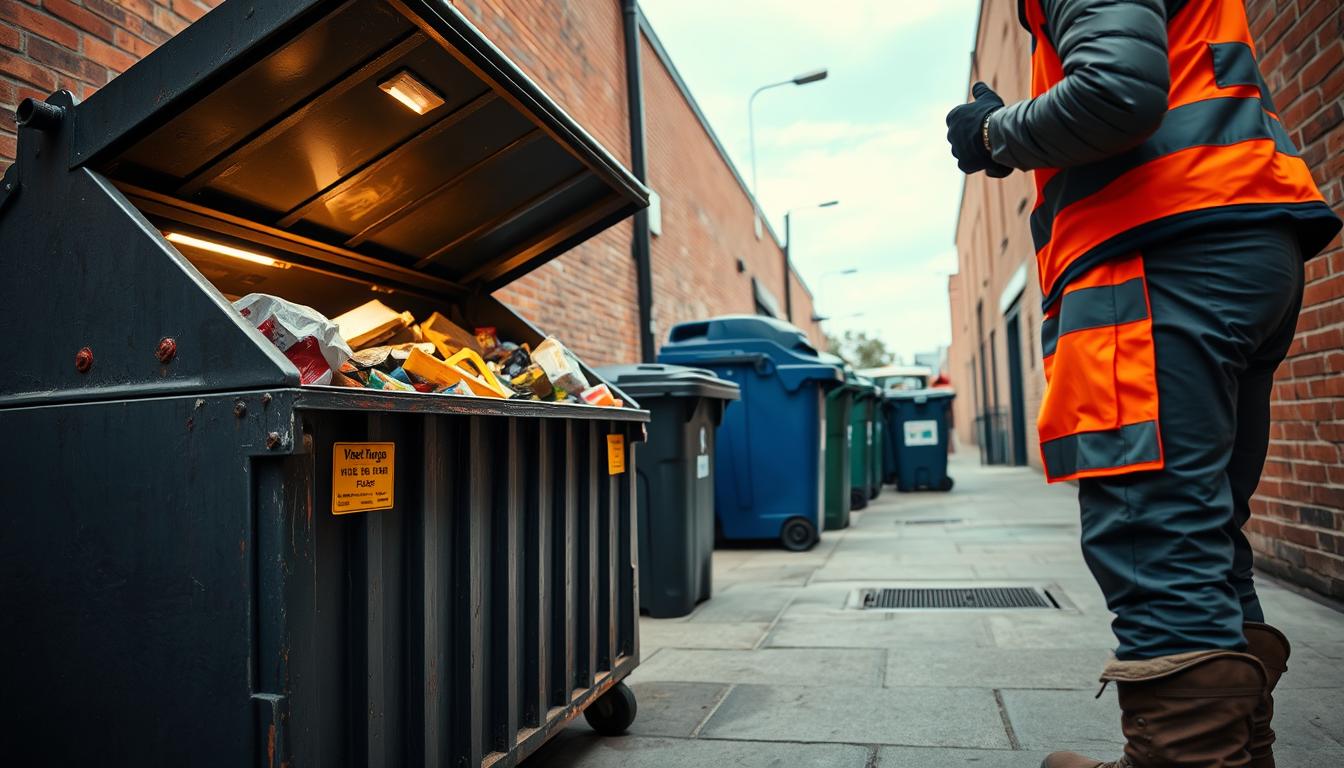
Dumpster Diving Safety Precautions can make the difference between a successful treasure hunt and a dangerous situation. While dumpster diving offers opportunities to find valuable items and reduce waste, it comes with real risks that every beginner should understand.
Many experienced divers have developed safe practices over years of exploration. With the right knowledge and preparation, you can enjoy this activity while protecting your health and staying within legal boundaries.
TL;DR
- Wear puncture-resistant gloves, sturdy boots, and long sleeves to protect against cuts and contamination.
- Avoid dumpsters with warning signs, hazardous materials, or those located on clearly marked private property.
- Keep a tetanus vaccination current and carry antiseptic wipes to prevent infections from minor cuts.
- Use grabbing tools and flashlights to avoid climbing into dumpsters and reduce injury risks.
Dumpster Diving Safety Precautions Every Beginner Needs
Safety should be your top priority when starting out with dumpster diving. The activity exposes you to sharp objects, biological hazards, and potentially dangerous chemicals that require specific precautions.
Understanding these risks helps you prepare properly and make smart decisions about which dumpsters to approach. Your first dive should always include proper safety gear and a clear plan for handling unexpected situations.
Essential Safety Equipment You Need
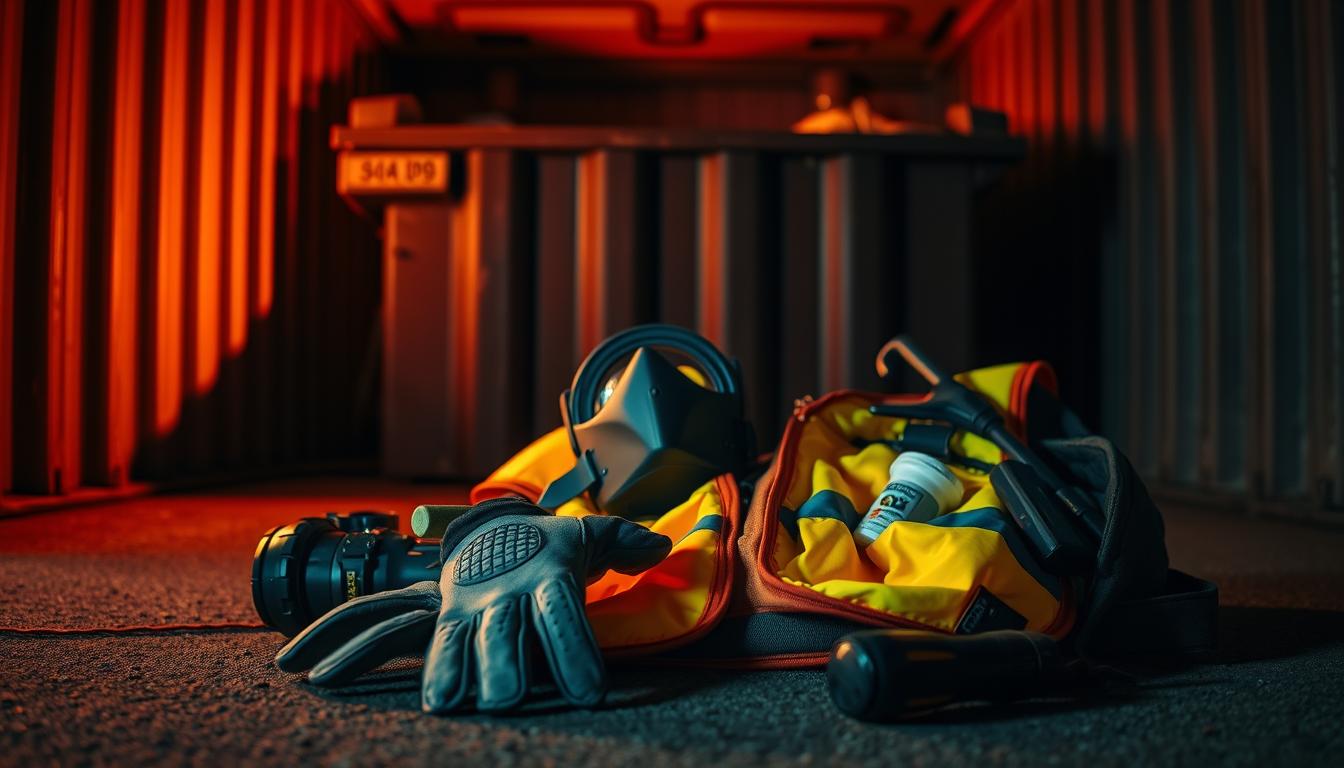
The right gear protects you from the most common injuries and health risks. Every diver should invest in quality protective equipment before their first outing.
Protective Clothing
- Heavy-duty gloves – Choose puncture-resistant materials like nitrile or thick leather to protect against sharp objects and contamination.
- Sturdy boots – Waterproof work boots with thick soles prevent injuries from glass, nails, and other hazards on the ground.
- Long sleeves and pants – Thick, durable clothing shields your skin from cuts, scrapes, and contact with unknown substances.
- Safety glasses – Protect your eyes from debris that might fly up when moving items around.
Essential Tools
- Grabbing tools – Long-handled grabbers let you retrieve items without climbing into dumpsters or reaching into dark spaces.
- High-quality flashlight – Good lighting helps you spot hazards and evaluate items safely, especially during evening dives.
- First aid kit – Include bandages, antiseptic wipes, and pain relievers for treating minor injuries on the spot.
- Hand sanitizer – Clean your hands frequently to reduce the risk of infection from harmful bacteria.
Pack Smart for Safety
Keep all your safety gear in a dedicated bag that you can grab quickly for any diving trip. Replace used first aid supplies immediately so you’re always prepared.
Health Risks and Prevention Strategies
Dumpster diving exposes you to various health hazards that require specific prevention strategies. Understanding these risks helps you take appropriate precautions and recognize when to seek medical attention.
Common Physical Hazards
- Sharp objects. Broken glass, metal edges, and discarded tools can cause deep cuts that may require stitches.
- Heavy items. Boxes and equipment can shift unexpectedly, causing crushing injuries or back strain.
- Contaminated surfaces. Bacteria, mold, and chemical residues on items can cause skin irritation or infections.
- Unstable structures. Leaning against weak dumpster walls or climbing on unstable piles increases fall risks.
Biological and Chemical Threats
Dumpsters can harbor dangerous bacteria, viruses, and chemical contaminants. Handling hazardous materials requires extra caution and sometimes professional disposal.
Never handle items with strong chemical odors, unusual stains, or warning labels. These substances can cause respiratory problems, skin burns, or poisoning through contact or inhalation.
Legal Considerations and Property Rights
Understanding the legal aspects of dumpster diving protects you from trespassing charges and other legal troubles. Laws vary significantly by location, so research your local regulations before diving.
Public vs Private Property
- Public dumpsters – Generally accessible, but check local ordinances for specific restrictions or permit requirements.
- Private property – Requires permission from the property owner; diving without consent constitutes trespassing.
- Gated or fenced areas – Always considered private property regardless of who owns the dumpster.
- Posted signs – “No Trespassing” or “Private Property” signs create clear legal boundaries you must respect.
How to Handle Confrontations
If approached by property owners, security, or police, remain calm and respectful. Explain your intentions politely and be prepared to leave immediately if asked.
Know your rights but avoid arguments that could escalate the situation. Having knowledge of local laws helps, but cooperation usually resolves conflicts more effectively than confrontation.
Smart Location Selection
Choosing the right dumpster locations significantly impacts both your safety and success rate. Scouting the best dumpster locations involves evaluating safety factors alongside potential finds.
Recommended Locations
- Electronics stores – Often discard functional items with minor defects or outdated models.
- Furniture stores – May dispose of returned items or pieces with small cosmetic damage.
- Bookstores – Frequently discard unsold books in good condition during inventory changes.
- Office buildings – Generate supplies, equipment, and furniture during moves or renovations.
Locations to Avoid
- Medical facilities – Contain biohazardous waste and sharps that pose serious health risks.
- Chemical plants – May have toxic substances that require specialized disposal methods.
- High-crime areas – Present personal safety risks beyond the normal hazards of diving.
- Residential neighborhoods – Raise privacy concerns and often have stricter local enforcement.
Emergency Response Planning
Having a plan for emergency situations can prevent minor incidents from becoming serious problems. Dealing with encounters requires preparation and quick thinking.
Injury Response
- Stop the activity. Don’t continue diving if you’re injured, even if the injury seems minor.
- Assess the damage. Check the severity and determine if you can treat it yourself or need medical attention.
- Clean wounds immediately. Use antiseptic wipes to prevent infection from contaminated surfaces.
- Seek help when needed. Don’t hesitate to call for medical assistance if the injury is serious.
Wildlife and Pest Encounters
Dumpsters attract rats, raccoons, and other animals looking for food. If you encounter wildlife, back away slowly without making sudden movements that might provoke an attack.
Carry a small flashlight to check for animal eyes reflecting in dark spaces before reaching in. Most animals will flee when they detect human presence, but cornered animals may become aggressive.
Articles You May Like
Frequently Asked Questions
What should I do if I get cut while dumpster diving?
Clean the wound immediately with antiseptic wipes, apply pressure to stop bleeding, and bandage it properly. Seek medical attention if the cut is deep, won’t stop bleeding, or if you’re not current on your tetanus vaccination.
Is it safe to eat food found in dumpsters?
Only consider packaged, non-perishable foods that are still sealed and show no signs of spoilage. Avoid all perishable items, anything past expiration dates, or foods that have been exposed to contamination.
What vaccinations should dumpster divers have?
Keep your tetanus vaccination current since cuts from dirty metal are common. Consider hepatitis A and B vaccines if you plan to dive regularly, as these protect against infections from contaminated surfaces.
How do I know if a dumpster contains hazardous materials?
Look for warning labels, strong chemical odors, unusual stains, or items from medical or industrial facilities. When in doubt, don’t investigate further and move on to a safer location.
What time of day is safest for dumpster diving?
Early morning or late evening hours offer better visibility than complete darkness while avoiding peak business hours. Avoid diving during bad weather when visibility and footing become dangerous.
Final Thoughts
Dumpster Diving Safety Precautions are your foundation for exploring this activity successfully and responsibly. With proper preparation, protective equipment, and knowledge of potential risks, you can enjoy the benefits while minimizing dangers.
Start with safe, legal locations and build your experience gradually. Remember that no find is worth risking your health or safety.