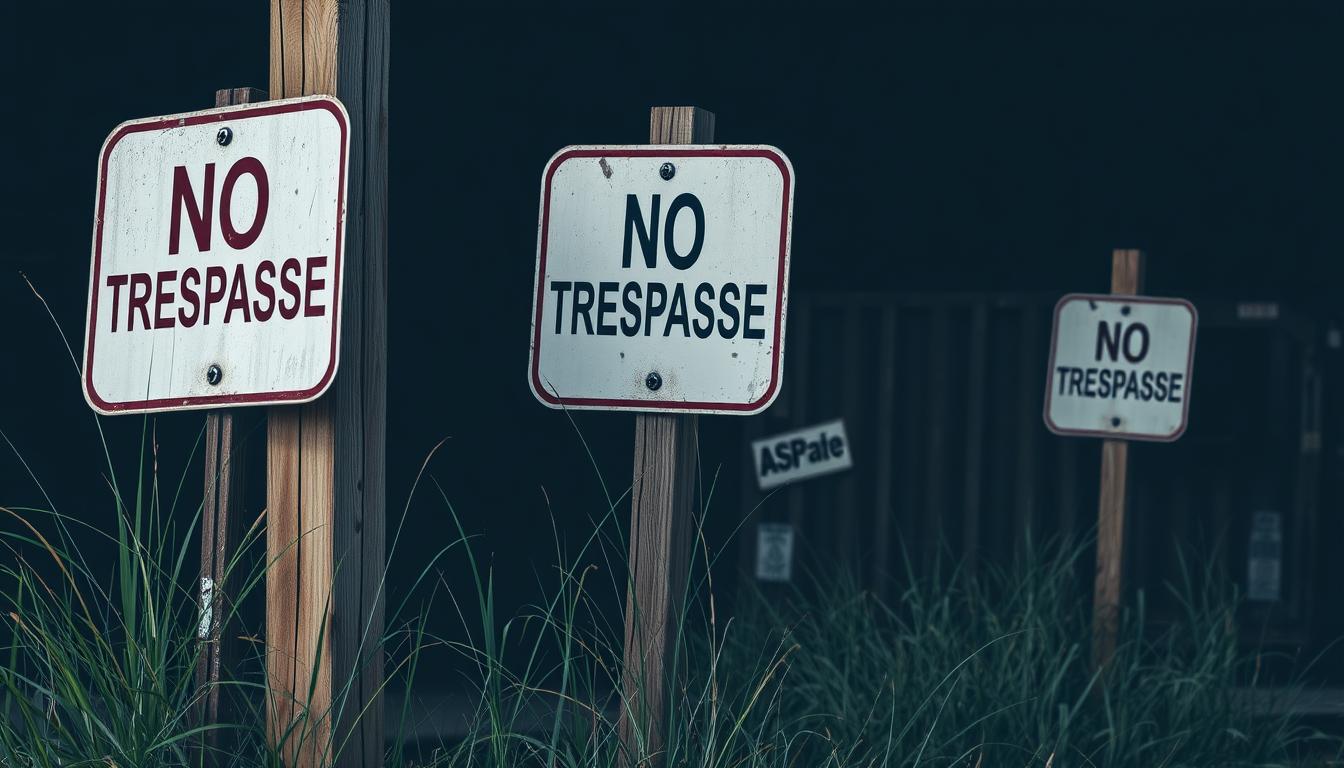
Dumpster Diving Trespassing Signs create legal boundaries that many divers don’t fully understand. These warning markers serve as the first line of defense for property owners looking to protect their premises from unauthorized access. When you see a “No Trespassing” sign near a dumpster, it’s not just a suggestion – it carries real legal weight that can turn a simple diving expedition into a criminal matter.
The effectiveness of these signs varies significantly across different states and jurisdictions. Some areas treat them as absolute barriers, while others require additional elements like proper placement or specific wording to make them legally enforceable. Understanding how these signs work within the broader framework of property law can mean the difference between a successful dive and a trespassing charge.
TL;DR
- No Trespassing signs must meet specific visibility and placement requirements to be legally enforceable in most states.
- Criminal trespass charges require proof that you knowingly entered private property without permission after seeing warning signs.
- First-time trespassing offenses typically result in fines ranging from $50-500, while repeat violations can lead to jail time up to 30 days.
- Commercial dumpsters on private property with posted signs carry the same trespassing penalties as residential areas.
Dumpster Diving Trespassing Signs and Legal Requirements
Property owners use various types of warning signs to establish legal notice and protect their premises. The most common include “No Trespassing,” “Private Property,” “No Soliciting,” and “Authorized Personnel Only” signs. Each type carries different legal implications and enforcement standards depending on your state’s specific statutes.
For signs to hold up in court, they must meet strict visibility and placement requirements. Most states require signs to be posted at regular intervals – typically every 100-200 feet along property boundaries. The lettering must be clearly readable from a reasonable distance, usually requiring letters at least 2 inches tall in contrasting colors.
Essential Sign Requirements by State
- Visibility Standards – Signs must be unobstructed by vegetation, debris, or other objects that could prevent someone from seeing them.
- Placement Height – Most jurisdictions require signs between 3-6 feet above ground level for optimal visibility.
- Weather Durability – Signs must withstand local weather conditions and remain legible throughout the year.
- Color Requirements – Many states specify red lettering on white background or other high-contrast combinations.
Courts examine whether reasonable people would notice and understand the warning when determining if signs provide adequate legal notice. California’s trash laws demonstrate how state-specific regulations can impact sign enforcement and trespassing prosecutions.
Criminal Trespassing Elements in Dumpster Diving Cases
Prosecutors must prove specific elements to secure a criminal trespassing conviction related to dumpster diving. The primary requirement is that you knowingly entered or remained on someone else’s property without permission. This knowledge can be established through posted signs, verbal warnings, or physical barriers like fences or gates.
Intent plays a major role in these cases. Courts distinguish between accidental trespassing and deliberate property violations. If you ignored clearly posted signs or continued diving after being told to leave, prosecutors have stronger evidence of intentional trespassing.
Aggravating Factors That Increase Penalties
- Property Damage. Breaking locks, cutting fences, or damaging dumpsters can elevate simple trespass to more serious charges.
- Nighttime Violations. Many states impose harsher penalties for trespassing that occurs during nighttime hours.
- Commercial Property. Some jurisdictions treat business property trespassing more severely than residential violations.
- Repeat Offenses. Multiple trespassing citations can lead to enhanced penalties and potential jail time.
Property Rights vs Access Rights
Property boundaries define where an owner’s rights begin and public access ends. These invisible lines become crucial in dumpster diving cases, especially when dumpsters sit near property edges or easements. Understanding easements – areas where public access may be permitted despite private ownership – can help divers avoid trespassing violations.
Commercial properties present unique challenges because they often welcome customers while restricting access to waste areas. A shopping center might allow public access to stores but prohibit dumpster diving behind the building. Texas trash access laws illustrate how commercial property rules can differ from residential restrictions.
Residential vs Commercial Dumpster Protections
Residential dumpsters receive stronger legal protections than their commercial counterparts. Courts recognize that household waste contains more personal information and deserves greater privacy protection. Many states specifically prohibit residential dumpster diving regardless of where the container sits.
Commercial dumpsters face more complex legal analysis. Businesses that place dumpsters in public-accessible areas may have weaker trespassing claims, especially if they lack proper signage. However, dumpsters behind locked gates or in clearly marked employee areas maintain full trespassing protections.
Document Everything
Always photograph sign placement and condition if questioned about trespassing. Clear documentation can prove whether warnings were visible and properly maintained when legal issues arise.
Penalties and Legal Consequences
Trespassing penalties vary dramatically based on location and circumstances. Most first-time violations result in misdemeanor charges with fines between $50-500. However, some states impose steeper penalties, especially for commercial property violations or repeat offenses.
Jail time becomes possible with aggravating factors or multiple violations. Florida’s enforcement approach shows how some states actively prosecute dumpster diving trespassers while others focus on warnings and education.
Long-term Consequences Beyond Fines
- Criminal Record – Trespassing convictions create permanent criminal records that appear in background checks.
- Civil Liability – Property owners can sue for damages even when criminal charges aren’t filed.
- Trespassing Orders – Courts can issue permanent bans from specific properties or business districts.
- Enhanced Penalties – Future violations carry increased fines and potential felony charges in some states.
Safe Diving Practices and Risk Reduction
Research local laws and property boundaries before diving in any new area. Many municipalities provide online property maps showing exact boundary lines and ownership information. This research helps identify truly public areas where diving remains legal.
Time and location choices significantly impact legal risk. Daylight hours in busy areas provide natural witnesses and reduce suspicious activity concerns. New York’s urban diving regulations demonstrate how populated areas often have clearer legal boundaries than rural locations.
Getting Permission and Documentation
- Contact Property Managers. Many businesses will grant permission if asked politely and you explain your recycling goals.
- Get Written Consent. Email or text confirmations provide legal protection if questioned later.
- Understand Time Limits. Permission often includes specific hours or days when diving is acceptable.
- Respect Boundaries. Even with permission, stay within agreed areas and follow any special conditions.
When to Stop and Leave
Know when to abandon a diving location to avoid legal trouble. If property owners, security guards, or police approach, cooperate fully and leave immediately when asked. Arguing about legal rights during confrontations often escalates situations and increases criminal charges.
Document any interactions with authorities, including officer names, badge numbers, and exact statements made. This information becomes valuable if legal issues develop later. For official guidance on criminal trespassing laws, consult the U.S. Department of Justice resources on property rights enforcement.
Articles You May Like
Frequently Asked Questions
Can property owners post fake trespassing signs to scare divers away?
Property owners can post legitimate trespassing signs on their property, but signs must comply with state requirements to be legally enforceable. False or misleading signs may not hold up in court.
What happens if I’m caught diving in a dumpster without any posted signs?
You can still be charged with trespassing even without posted signs if the property is clearly private, fenced, or you were verbally warned to leave by the owner or authorized personnel.
Do apartment complex dumpsters have the same protections as single-family homes?
Apartment complex dumpsters typically receive similar protections to residential properties, especially when located in restricted tenant areas or behind locked gates with proper signage.
Can I dive in dumpsters at closed businesses after hours?
Business closure doesn’t eliminate trespassing laws – commercial property remains private 24/7. Night diving often carries enhanced penalties and appears more suspicious to law enforcement.
How do I know if a dumpster is on public or private property?
Check property boundary maps through your local assessor’s office or online GIS systems. When in doubt, assume dumpsters are on private property unless clearly located in public right-of-ways.
Final Thoughts
Dumpster Diving Trespassing Signs represent serious legal boundaries that every diver must respect and understand. The consequences of ignoring these warnings extend far beyond simple fines – criminal records and civil liability can impact your future opportunities and financial security.
Success in dumpster diving comes from thorough research, respect for property rights, and knowing when to walk away from questionable situations.