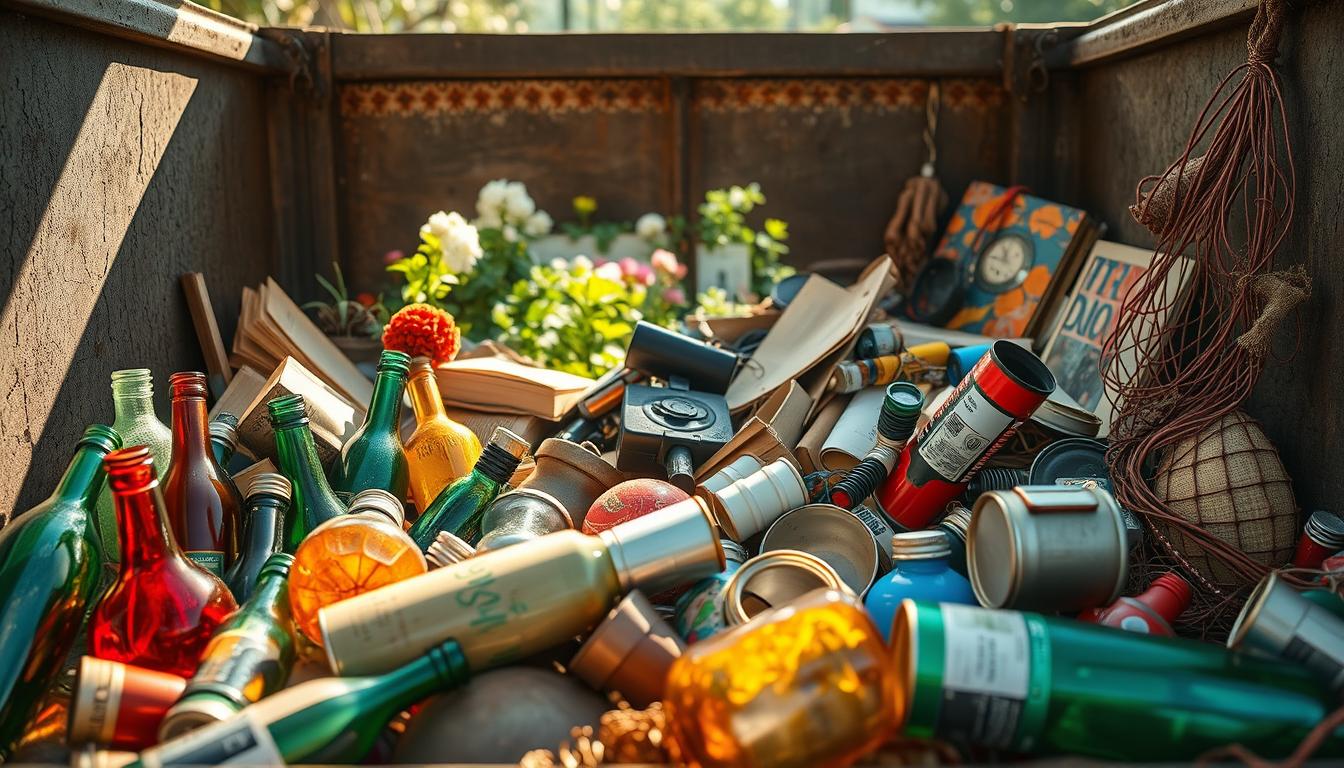
Recycle Dumpster Finds can transform your discoveries into valuable resources while reducing waste and supporting environmental causes. Many items found during dumpster diving can be repurposed, refurbished, or properly recycled instead of ending up in landfills.
The key to successful recycling is knowing which materials have value and understanding the best methods for processing different types of finds. From electronics to textiles, almost every dumpster discovery has potential for a second life.
TL;DR
- Electronics can be sold for parts or recycled through certified e-waste programs that pay up to $50 per device.
- Scrap metal finds like copper wire and aluminum cans generate $2-4 per pound at recycling centers.
- Textile items can be donated for tax deductions worth 10-30% of retail value or upcycled into sellable crafts.
- Paper and cardboard recycling typically pays $50-100 per ton, making bulk finds worthwhile to collect.
Recycle Dumpster Finds for Maximum Value
Smart recycling starts with sorting your finds by material type and condition. Clean, undamaged items often have resale value, while broken or worn pieces work better for recycling programs.
Focus on high-value materials first – electronics, metals, and quality textiles typically offer the best returns. Understanding which dumpsters contain valuable recyclables helps you target your diving efforts more effectively.
Electronics and E-Waste Recycling
Electronic devices represent some of the most valuable recyclable finds from dumpsters. Even broken phones, computers, and gaming systems contain precious metals worth recovering.
Many electronics retailers offer trade-in programs that accept non-working devices for store credit. Best Buy, for example, takes most electronics regardless of condition and offers gift cards for functional items.
High-Value Electronic Items
- Smartphones – Worth $10-200 depending on model and condition, even if cracked.
- Laptops and tablets – Components like RAM, hard drives, and screens have resale value.
- Gaming consoles – Controllers and cables often work even when main units don’t.
- Audio equipment – Speakers and headphones can be refurbished or parted out.
Certified e-waste recyclers pay for bulk electronics and handle hazardous materials safely. Search for R2 or e-Stewards certified facilities in your area for legitimate recycling programs.
Metal Recycling Opportunities
Scrap metal recycling offers immediate cash returns for many dumpster finds. Copper, aluminum, brass, and steel all have market value at recycling centers.
Separate different metal types before bringing them to recyclers – mixed metals pay lower rates than sorted materials. Use a magnet to distinguish ferrous metals (steel, iron) from non-ferrous options (copper, aluminum, brass).
Valuable Metal Types
- Copper wire – Strips clean for $3-4 per pound, insulated wire pays less.
- Aluminum cans – Currently around $0.75 per pound, easy to collect in bulk.
- Brass fixtures – Plumbing fittings and decorative items bring $2-3 per pound.
- Steel appliances – Large items like washers pay $0.10-0.20 per pound.
Clean Metal for Better Prices
Remove plastic, rubber, and other attachments from metal items before recycling. Clean metals command 20-50% higher prices than dirty or mixed materials.
Textile and Clothing Recycling
Fabric items from dumpsters can be donated, upcycled, or recycled through specialized programs. Even stained or damaged textiles have value in industrial recycling processes.
Donation centers like Goodwill and Salvation Army accept most clothing conditions and provide tax-deductible receipts. Repurposing textile finds into new products creates additional income opportunities.
Textile Recycling Options
- Donation programs. Clean, wearable items generate tax deductions and support community programs.
- Upcycling projects. Transform fabric scraps into sellable crafts, quilts, or home decor items.
- Industrial recycling. Companies like American Textile Recycling process damaged fabrics into insulation and wiping rags.
- Consignment sales. Designer or vintage pieces can be sold through online platforms or local shops.
Paper and Cardboard Processing
Paper products make up a significant portion of dumpster contents and recycle easily through municipal programs. Clean cardboard and office paper bring the best prices.
Remove staples, tape, and plastic elements before recycling paper materials. Contaminated paper often gets rejected by recycling facilities, reducing the value of your entire load.
Paper Recycling Guidelines
- Office paper – White printer paper and documents pay premium rates.
- Cardboard – Flatten boxes and remove packing materials for best acceptance.
- Newspapers – Bundle with string rather than plastic bags for easier processing.
- Magazines – Glossy paper recycles differently but still has value in bulk quantities.
Furniture and Home Goods Recycling
Large furniture items often end up in dumpsters but contain valuable materials for recycling or refurbishment. Wood, metal hardware, and upholstery components all have secondary markets.
Habitat for Humanity ReStore locations accept furniture donations and offer pickup services for large items. They provide tax receipts and use proceeds to fund housing projects.
Furniture Recycling Strategies
- Wood salvage – Solid wood pieces can be refinished or broken down for craft projects.
- Metal components – Hinges, handles, and frames add to your scrap metal collection.
- Upholstery fabric – Clean textiles work for craft projects or industrial recycling.
- Hardware resale – Unique or vintage hardware sells well to restoration enthusiasts.
Building Materials and Construction Waste
Construction dumpsters contain valuable building materials that contractors and DIY enthusiasts purchase. Lumber, fixtures, and hardware often have significant resale value.
Clean materials in good condition sell best through online marketplaces or local building material exchanges. Safety becomes especially important when handling construction materials due to potential hazards.
Valuable Building Materials
- Dimensional lumber – Clean 2x4s and larger boards sell for 30-50% of retail prices.
- Plumbing fixtures – Faucets, toilets, and pipes have both scrap and resale value.
- Electrical components – Wire, outlets, and fixtures contain copper and other valuable metals.
- Tile and flooring – Leftover materials work for small projects or repairs.
Articles You May Like
Frequently Asked Questions
What items should never be recycled from dumpster finds?
Avoid recycling items with hazardous materials like paint, chemicals, medical waste, or anything containing asbestos. These require special disposal methods and can be dangerous to handle.
How do I find legitimate recycling centers that pay for materials?
Search online for certified recyclers in your area or contact your local waste management authority for referrals. Always verify current pricing and accepted materials before making trips.
Is it worth cleaning items before recycling them?
Yes, clean materials typically bring 20-50% higher prices than dirty ones. Remove tape, labels, and contaminants when possible to maximize value.
Can I get tax deductions for donating dumpster finds?
Yes, donated items qualify for tax deductions at fair market value regardless of where you acquired them. Keep donation receipts for tax filing purposes.
Final Thoughts
Recycle Dumpster Finds effectively by focusing on high-value materials and understanding proper processing methods for different item types. The combination of immediate recycling income and long-term environmental benefits makes this approach both profitable and responsible.
Start with one material category this week and develop systems for sorting, cleaning, and processing your finds efficiently.