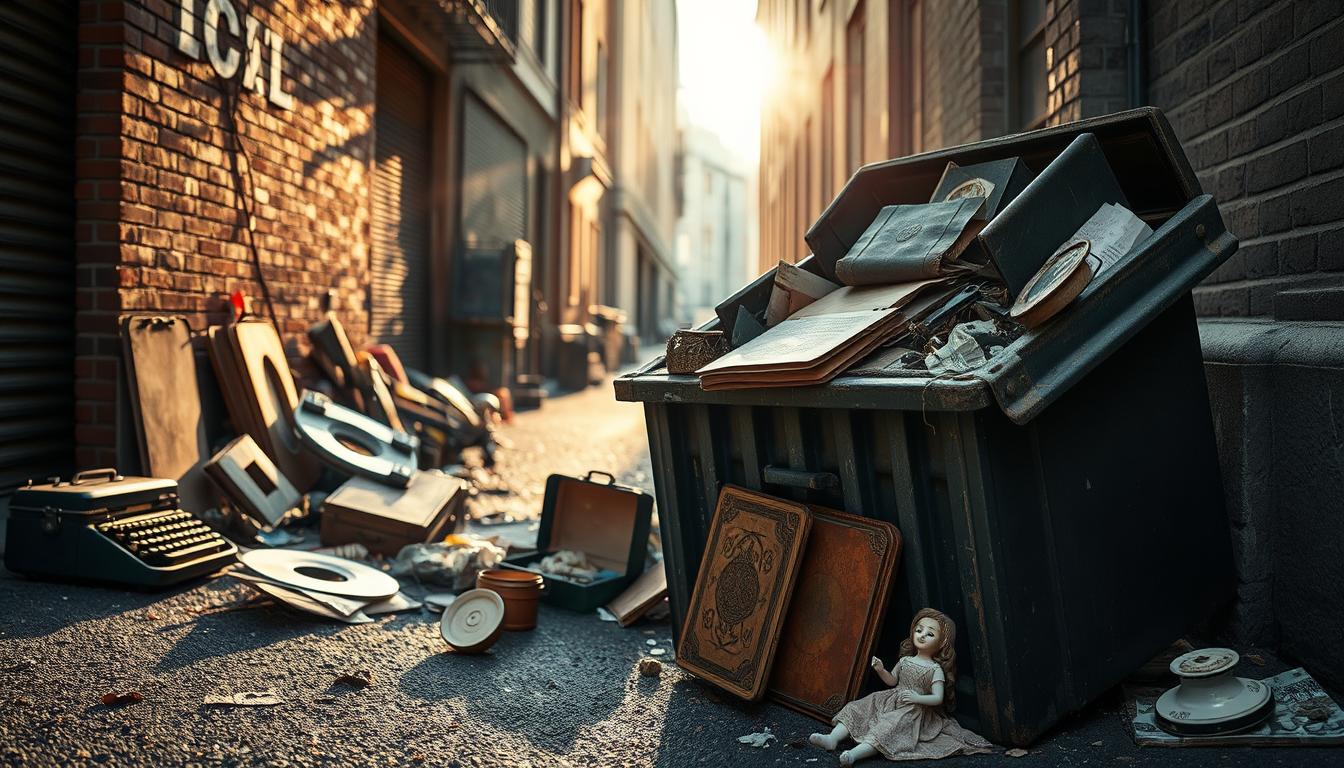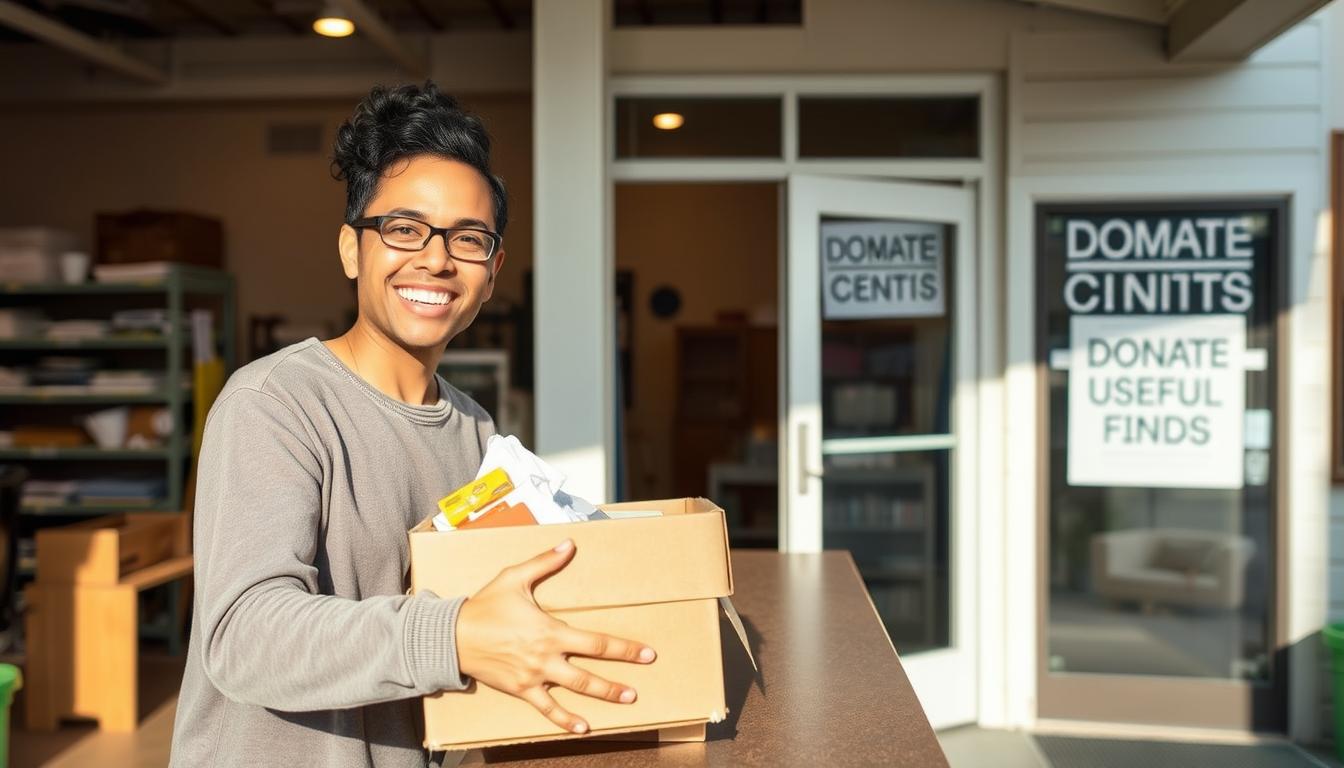
Donate Dumpster Finds can turn your diving discoveries into meaningful contributions to your community. Many items rescued from dumpsters are perfectly good and can bring real value to people in need.
Instead of letting your extra finds pile up at home, donating them creates a positive cycle that helps others while supporting your continued diving efforts. You’ll free up storage space and feel good about making a difference.
TL;DR
- Goodwill accepts 90% of donated items including clothing, books, electronics, and household goods from dumpster finds.
- Food banks welcome non-perishable packaged foods that are past sell-by dates but still safe to eat.
- Animal shelters need blankets, towels, toys, and pet supplies – common dumpster finds from pet stores.
- Schools and community centers use art supplies, office materials, and educational items you might rescue from retail dumpsters.
Donate Dumpster Finds to Maximize Community Impact
Your dumpster diving efforts can become a powerful force for community good when you donate quality finds. The key is matching the right items with organizations that need them most.
Start by sorting your finds into categories – clothing, household items, electronics, books, and specialty items. This makes it easier to identify which organizations would benefit from each type of donation.
Clothing and Textile Donations
Clothing represents one of the most common and valuable dumpster finds you can donate. Retail stores often discard perfectly wearable items due to minor defects, seasonal changes, or overstock situations.
Here are the best places to donate clothing finds:
- Goodwill and Salvation Army – Accept almost any clothing in decent condition and provide free pickup services in many areas.
- Local homeless shelters – Especially need warm clothing, coats, socks, and underwear during cold months.
- Women’s shelters – Welcome professional clothing to help women entering the workforce.
- School clothing banks – Provide free clothes to students from low-income families.
Preparing Clothing for Donation
Clean all clothing items before donating, even if they appear clean. Check pockets for tags, receipts, or personal items that might have been left behind.
Remove any store security tags using proper tools – don’t attempt to force them off as this can damage the clothing. Most donation centers can handle security tags if you mention them when dropping off items.
Food and Perishable Items
Food rescue from dumpsters requires extra care due to safety concerns, but many items are perfectly safe to donate. Focus on packaged, non-perishable items that are past their sell-by date but still within safe consumption windows.
Safe food donations from dumpster finds include:
- Canned goods – Safe for years past expiration dates if cans aren’t dented or swollen.
- Dry goods – Rice, pasta, cereal, and crackers in sealed packaging.
- Packaged snacks – Chips, cookies, and candy in unopened packages.
- Baby formula and food – Check dates carefully as these have stricter safety requirements.
Food Safety First
Never donate perishable items like dairy, meat, or fresh produce from dumpsters. Stick to shelf-stable packaged goods and always inform the receiving organization about the source.
Household Items and Electronics
Retail stores frequently discard household items due to packaging damage, returns, or seasonal inventory changes. These items often work perfectly and can significantly help families in need.
Popular household donation categories include:
- Small appliances. Test items before donating and include any cords or accessories you find.
- Home decor. Picture frames, candles, and decorative items help people create welcoming homes on limited budgets.
- Kitchen supplies. Pots, pans, dishes, and utensils are always needed by families starting over.
- Bedding and linens. New or like-new sheets, blankets, and towels provide comfort and dignity.
Electronics Donations
Many electronics found in dumpsters work perfectly or need only minor repairs. Check that items power on and include any cables or accessories you can find.
Good electronics donation targets include community centers, schools, and senior centers that can use computers, tablets, phones, and small electronics for their programs. Some organizations like Best Buy stores also accept electronics for recycling if they can’t be donated.
Books and Educational Materials
Bookstores and libraries often discard books in excellent condition due to inventory management needs. These materials can enrich lives when donated to the right organizations.
Target these organizations for book donations:
- Public libraries – Use donated books for sales, community programs, or to fill gaps in their collection.
- Schools and daycares – Welcome children’s books, educational materials, and teaching supplies.
- Senior centers – Appreciate large-print books, magazines, and puzzles for their programs.
- Literacy programs – Need books at all reading levels to support adult learners and ESL students.
Specialty Items and Unique Finds
Some of your most interesting dumpster finds might not fit standard donation categories but can still help specific organizations. Think creatively about who might benefit from unusual items.
Consider these specialized donation opportunities:
- Art supplies to schools – Crayons, paper, markers, and craft materials support creative programs.
- Pet supplies to animal shelters – Food, toys, bedding, and accessories help care for rescue animals.
- Office supplies to nonprofits – Small organizations often struggle to afford basic supplies like paper and pens.
- Sports equipment to community programs – Youth programs need balls, equipment, and gear for their activities.
Building Donation Relationships
Contact organizations before making large donations to ensure they can use your items. Many have specific needs or restrictions based on their current inventory and programs.
Building ongoing relationships with donation centers can help you understand what items they need most. Some organizations might even provide you with wish lists to guide your future dumpster diving efforts.
Legal and Tax Considerations
Document your donations for potential tax deductions, even though the items came from dumpsters. The IRS allows deductions based on the fair market value of donated goods, regardless of how you acquired them.
Keep receipts from donation centers and take photos of larger items before donating. This documentation helps if you need to justify deduction amounts during tax preparation.
Articles You May Like
Frequently Asked Questions
Do I need to tell donation centers that items came from dumpsters?
While not legally required, being transparent about the source builds trust and helps organizations make informed decisions about accepting your donations.
Can I get tax deductions for donating dumpster finds?
Yes, you can deduct the fair market value of donated items regardless of how you acquired them, as long as you have proper documentation from the receiving organization.
What items should never be donated from dumpster finds?
Avoid donating perishable food, damaged electronics, items with recalls, personal hygiene products, and anything that appears contaminated or unsafe.
How do I find organizations that need specific items I’ve found?
Call local nonprofits, search online donation directories, or use apps like DonationTown and PickUpMyDonation to connect with organizations seeking specific items.
Final Thoughts
Donate Dumpster Finds transforms your diving hobby into a community service that helps people while reducing waste. The key is matching quality finds with organizations that can put them to good use.
Start small by identifying one or two local organizations that align with your most common finds. As you build relationships and understand their needs, you can expand your donation network to maximize the positive impact of your dumpster diving efforts.