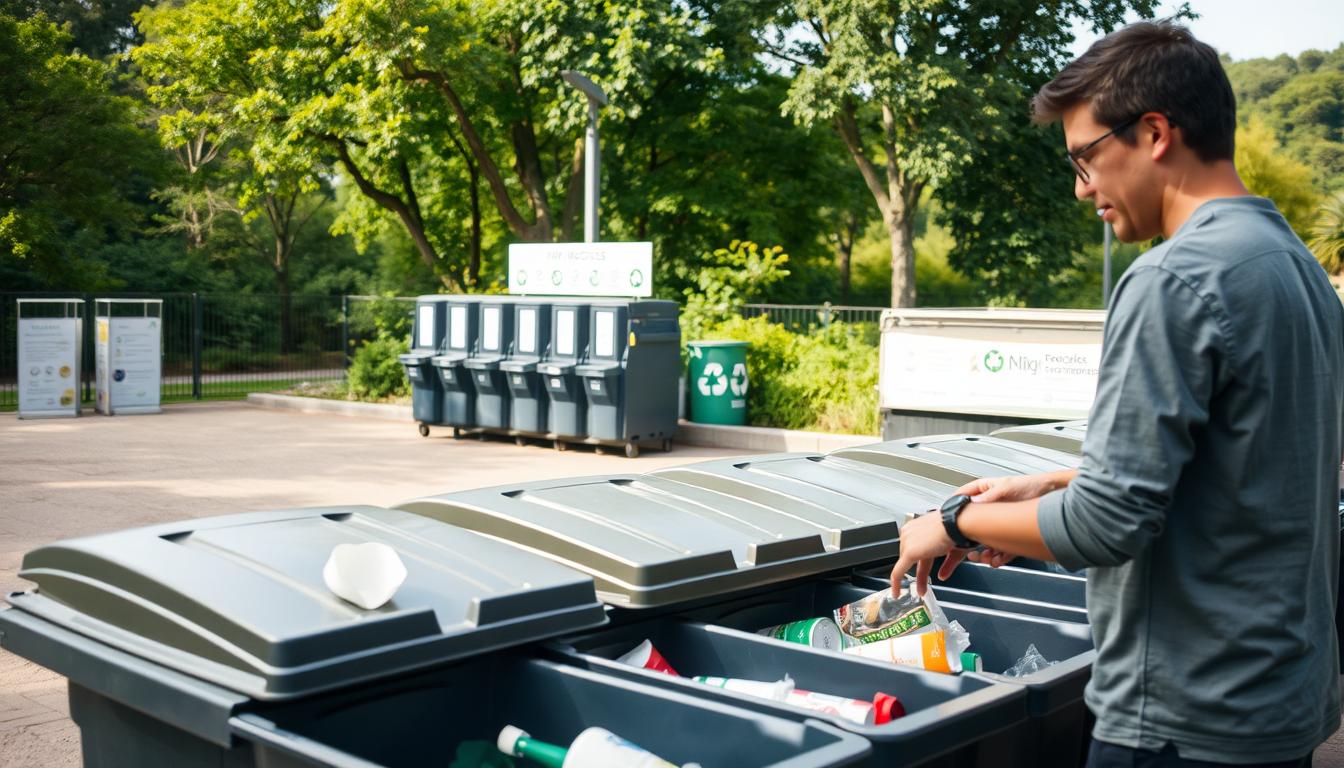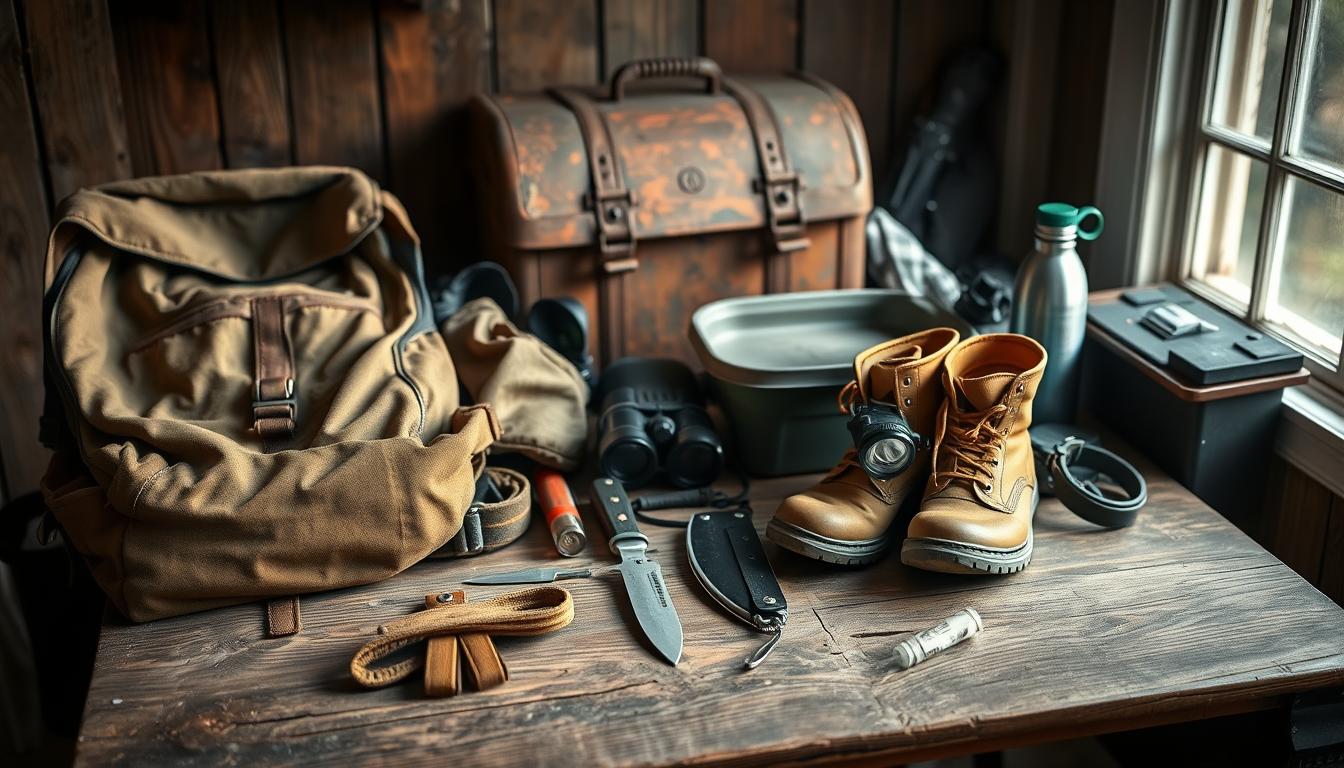
Dumpster Diving Essentials include the right gear, safety knowledge, and legal awareness to make your treasure hunting both safe and profitable. Having the proper equipment and understanding basic safety protocols can mean the difference between a successful dive and a dangerous situation.
Whether you’re just starting out or looking to upgrade your current setup, knowing what to bring and how to stay safe will help you find valuable items while protecting yourself from potential hazards. The right preparation makes every dive more efficient and secure.
TL;DR
- Heavy-duty gloves, flashlight, and first aid kit are the three most critical safety items for any dive.
- Check local trespassing laws before diving – penalties can range from $50 fines to $500+ depending on your state.
- Prime diving hours are between 8 PM and midnight when most stores close but before trash pickup.
- Bring hand sanitizer with at least 70% alcohol content to clean hands immediately after handling items.
Dumpster Diving Essentials You Need
Your safety gear forms the foundation of successful diving. Without proper protection, you risk injury from sharp objects, contaminated materials, or unstable surfaces that could turn a profitable evening into an emergency room visit.
The essential items break down into three categories: protection, tools, and convenience items. Each serves a specific purpose in keeping you safe while maximizing your ability to find and transport valuable discoveries.
Protection Gear
- Heavy-duty work gloves – Choose leather or thick synthetic materials that resist punctures from glass, metal, and sharp plastic.
- Sturdy closed-toe shoes – Steel-toed boots or thick sneakers protect feet from nails, broken glass, and heavy objects.
- Long pants and long sleeves – Cover exposed skin to prevent cuts, scrapes, and contact with harmful substances.
- Eye protection – Safety glasses shield eyes from dust, debris, and splashing liquids.
Essential Tools
- Powerful flashlight or headlamp – LED lights with at least 200 lumens help you see clearly inside dark containers.
- Reusable bags or containers – Sturdy totes, backpacks, or milk crates transport finds without breaking or spilling.
- Grabber tool or reaching stick – 2-3 foot extendable tools help retrieve items from the bottom without climbing inside.
- Pocket knife or box cutter – Cut through tape, plastic wrapping, and zip ties safely.
Safety and Health Precautions
Health risks pose the biggest threat to dumpster divers, ranging from bacterial infections to serious injuries. Following basic safety protocols protects you from both immediate dangers and long-term health consequences.
Your safety checklist should cover personal protection, situational awareness, and post-dive hygiene. Personal safety tips for dumpster divers provide detailed guidance on avoiding common hazards during your searches.
Before You Dive
- Check the weather. Avoid diving during rain, which makes surfaces slippery and increases contamination risks.
- Tell someone your location. Share your planned route and expected return time with a trusted contact.
- Inspect your gear. Test flashlights, check glove integrity, and ensure all tools function properly.
- Research local laws. Verify that diving is legal in your target area to avoid trespassing charges.
Health and Hygiene Items
- Hand sanitizer – 70% alcohol content kills bacteria and viruses on contact.
- Wet wipes – Remove dirt and grime from hands, tools, and found items.
- First aid kit – Bandages, antiseptic, and pain relievers treat minor cuts and scrapes immediately.
- Change of clothes – Keep clean clothes in your vehicle to change into before going home.
Pro Timing Tip
Scout locations during daylight hours to identify the best dumpsters and potential hazards. Return after dark when fewer people are around but visibility is still manageable with your flashlight.
Legal Knowledge and Location Research
Understanding local laws prevents costly fines and legal trouble that can quickly outweigh any profits from your finds. Trespassing penalties vary significantly between states, with some treating it as a minor infraction while others impose serious criminal charges.
Research begins with identifying public versus private property boundaries and understanding how “No Trespassing” signs affect your legal status. Your first dive guide walks through the legal research process step-by-step for beginners.
Legal Research Steps
- Check city ordinances. Many municipalities have specific rules about accessing commercial dumpsters.
- Understand property lines. Dumpsters on private property require permission; those on public curbs are generally fair game.
- Know store policies. Some retailers explicitly prohibit dumpster diving and will call police.
- Identify pickup schedules. Avoid areas during active waste collection when trucks create safety hazards.
Best Practices for Different Locations
Different types of businesses require adjusted strategies and equipment based on what they discard and how they secure their waste areas. Retail stores offer different opportunities than restaurants, while office buildings present unique challenges and rewards.
Location-specific preparation helps you bring the right tools and know what to expect. Scouting the best dumpster locations provides detailed information about evaluating different business types for diving potential.
Retail Store Strategies
- Electronics stores – Look for returned items, display models, and packaging materials with accessories still inside.
- Clothing retailers – Find seasonal items, slightly damaged goods, and returns that can’t be resold.
- Grocery stores – Focus on non-food items like flowers, household products, and cosmetics past their sell dates.
- Office supply stores – Discover returned electronics, damaged furniture, and bulk packaging with usable items.
Timing Considerations
- End of season – Retailers dispose of seasonal merchandise in large quantities.
- After holidays – Valentine’s Day, Halloween, and Christmas generate significant waste from unsold items.
- Store renovations – Fixtures, displays, and old inventory often end up in dumpsters during remodeling.
- Going-out-of-business sales – Final weeks produce large amounts of store equipment and remaining inventory.
Articles You May Like
Frequently Asked Questions
What should I do if I get injured while dumpster diving?
Clean the wound immediately with antiseptic from your first aid kit and seek medical attention for deep cuts or puncture wounds. Always carry emergency contact information and inform someone of your diving location beforehand.
How do I know if a dumpster is safe to search?
Check for hazardous waste signs, strong chemical odors, or visible dangerous materials like medical waste. Avoid dumpsters that are overfilled, structurally damaged, or located in areas with poor lighting or escape routes.
What’s the best time of day to go dumpster diving?
Early evening between 8 PM and midnight works best for most locations. Stores have closed and disposed of daily waste, but it’s not so late that you appear suspicious or encounter intoxicated individuals.
Do I need permission to dive in commercial dumpsters?
It depends on local laws and property ownership. Dumpsters on private property typically require permission, while those on public curbs may be legally accessible, but always research your local ordinances first.
Final Thoughts
Dumpster Diving Essentials center around safety, legal awareness, and proper equipment to make your treasure hunting both profitable and secure. With the right gear and knowledge, you can avoid common pitfalls while maximizing your chances of finding valuable items.
Start with basic safety equipment and legal research this week, then build your skills and gear collection as you gain experience. The investment in proper preparation pays off through safer diving and better discoveries.