Suburban Dumpster Diving offers an exciting way to find valuable items while reducing waste in your community. This practice involves searching through discarded materials in residential and commercial areas to discover useful treasures that others have thrown away.
Whether you’re motivated by environmental concerns, the thrill of discovery, or simply want to save money, dumpster diving in suburban areas can be both rewarding and educational. The key is knowing where to look, when to search, and how to stay safe while exploring.
TL;DR
- Shopping centers and apartment complexes during move-out periods yield 3x more valuable finds than random searches.
- Bulk pickup days in residential neighborhoods happen 1-2 times per month and offer furniture, appliances, and building materials.
- Essential safety gear includes cut-resistant gloves, sturdy boots, and face masks to protect against sharp objects and hazardous materials.
- Electronics, furniture, and collectibles found in suburban dumpsters can be worth $50-500+ when cleaned and repaired properly.
Suburban Dumpster Diving Fundamentals
Suburban dumpster diving is more than just scavenging – it’s a form of urban archaeology that challenges our throwaway culture. This practice involves systematically searching through discarded materials to find items with remaining value or utility.
The philosophy behind suburban scavenging connects to the reduce, reuse, recycle movement. By rescuing items from landfills, you’re actively participating in waste reduction while potentially discovering valuable treasures for your home or to sell.
Environmental Impact and Benefits
Every item you rescue from a dumpster represents resources saved and landfill space preserved. Manufacturing new products requires energy, raw materials, and transportation – all of which create environmental costs.
When you give discarded items a second life, you’re reducing demand for new production while keeping usable materials out of waste streams. This practice supports circular economy principles and demonstrates how individual actions can create meaningful environmental benefits.
Legal Framework and Regulations
Understanding the legal landscape is essential before starting your suburban diving adventures. Laws vary significantly between jurisdictions, and what’s legal in one area might be prohibited in another.
Trespassing and Property Rights
Most legal issues around dumpster diving involve trespassing rather than the act of taking discarded items. Once trash reaches the curb for pickup, it’s generally considered abandoned property in many jurisdictions.
However, dumpsters located on private property present different legal challenges. Always research local ordinances and consider asking permission from property owners when possible to avoid complications.
- Public property – Generally safer legal ground for diving activities.
- Private property – Requires permission to avoid trespassing charges.
- Commercial areas – Often have specific restrictions and security measures.
- Residential zones – May have neighborhood-specific rules about scavenging.
Safety Protocols and Risk Management
Safety should always be your top priority when exploring dumpsters in suburban areas. Proper preparation and awareness can prevent injuries and ensure positive experiences.
Essential Protective Equipment
Investing in quality safety gear protects you from common hazards and makes diving more comfortable. Cut-resistant gloves are non-negotiable since you’ll encounter sharp objects regularly.
- Cut-resistant gloves – Protect hands from glass, metal, and sharp edges.
- Steel-toe boots – Shield feet from heavy objects and punctures.
- Face masks – Filter dust, mold spores, and unpleasant odors.
- Long-sleeve shirts – Prevent cuts and contamination on arms.
- Flashlight or headlamp – Illuminate dark spaces safely.
Common Hazards and Avoidance Strategies
Suburban dumpsters can contain various dangers beyond obvious sharp objects. Broken glass, chemical containers, and unstable piles of debris pose significant risks.
Never reach blindly into containers or bags – always look before you touch. Be especially cautious around electronics that might have leaking batteries or medical waste that could be improperly disposed of.
Smart Timing Strategy
Visit locations early morning after pickup days to find the freshest discards. Most valuable items get claimed quickly, so timing makes a huge difference in what you’ll discover.
Prime Suburban Locations
Success in suburban dumpster diving depends heavily on location selection. Different areas offer distinct types of finds based on demographics, business types, and disposal patterns.
Shopping Centers and Retail Strips
Retail locations consistently produce valuable discards including damaged packaging returns, seasonal merchandise, and display items. Electronics stores, bookshops, and home goods retailers are particularly promising.
Focus on dumpsters behind stores that sell durable goods rather than food establishments. Check retail chain policies to understand disposal practices at major retailers.
Apartment Complex Gold Mines
Apartment complexes during move-out periods offer some of the best suburban diving opportunities. Residents often discard furniture, appliances, and household goods rather than transport them to new homes.
End-of-month periods typically see the highest volume of useful discards as leases expire and tenants relocate quickly. Large complexes with high turnover rates provide more consistent opportunities.
Residential Neighborhood Strategies
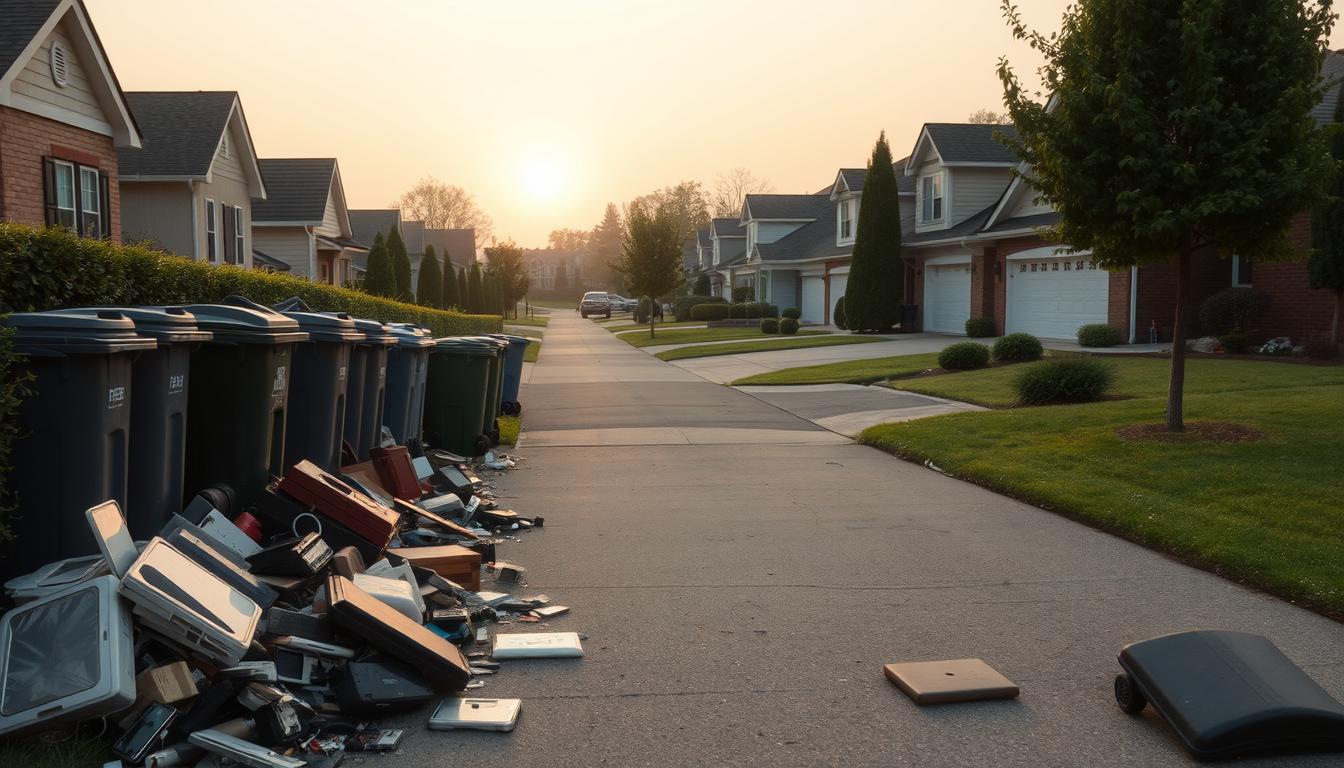
Wealthy suburban neighborhoods during bulk pickup days can yield exceptional finds. Homeowners in these areas often discard items that simply don’t match their current decor rather than because they’re damaged.
Research bulk pickup schedules for different neighborhoods and plan routes that maximize your time. Some areas have annual spring cleaning periods that produce particularly valuable discards.
Maximizing Your Finds
Successful suburban diving requires strategy, timing, and knowledge of what to seek. Understanding peak disposal periods and common valuable discards helps focus your efforts effectively.
High-Value Target Categories
Furniture represents one of the most valuable categories for suburban divers. Tables, chairs, dressers, and decorative items often need only cleaning or minor repairs to become valuable pieces.
- Electronics assessment. Test functionality immediately and research repair costs versus replacement value.
- Furniture evaluation. Check structural integrity and estimate restoration time and materials needed.
- Collectible identification. Research potential value of vintage items, books, and memorabilia before discarding.
- Appliance inspection. Determine if mechanical issues are minor fixes or major overhauls.
Seasonal Opportunities
Different times of year produce distinct types of valuable discards in suburban areas. Spring cleaning periods bring furniture and home goods, while back-to-school seasons see electronics and books.
Holiday periods often generate excess packaging and returned items that retailers dispose of rather than restock. Post-holiday diving can uncover decorations, gifts, and seasonal merchandise.
Processing and Restoration Techniques
Transform your suburban diving finds into valuable assets through proper cleaning, repair, and restoration techniques. Most discarded items need only basic attention to become functional again.
Cleaning and Sanitization Methods
Different materials require specific cleaning approaches to ensure safety and preserve value. Electronics need careful moisture control, while fabrics may require deep cleaning or professional treatment.
Always assume items may carry contaminants and use appropriate protective measures during cleaning. For comprehensive safety guidance, review detailed safety protocols before handling found materials.
Basic Repair and Restoration
Learning simple repair techniques multiplies the value of your suburban diving finds. Basic woodworking, electronics troubleshooting, and upholstery skills can transform discards into valuable items.
Focus on repairs that provide good return on investment in terms of time and materials. Sometimes a simple cleaning and tightening of screws transforms worthless-looking furniture into attractive pieces.
Building a Sustainable Practice
Developing a successful suburban diving routine requires consistency, organization, and continuous learning. Track your best locations and timing to optimize future expeditions.
Transportation and Storage Solutions
Efficient transportation systems make suburban diving more productive and less physically demanding. Carts, wagons, and proper containers help you manage larger finds safely.
Organize storage space for processing finds before deciding which items to keep, sell, or donate. Having dedicated workspace for cleaning and repairs streamlines your overall process.
Community and Networking
Connect with other suburban divers to share locations, timing information, and restoration tips. Online communities and local groups often coordinate efforts and share valuable intelligence.
Consider the broader impact of your activities on neighborhood perception of diving practices. Respectful behavior and clean pickup helps maintain access to prime locations.
Articles You May Like
Frequently Asked Questions
Is suburban dumpster diving legal in most areas?
Legality varies by jurisdiction, but generally items placed for pickup on public property are considered abandoned. Always check local ordinances and avoid trespassing on private property.
What’s the best time of day for suburban dumpster diving?
Early morning hours after pickup days offer fresh finds before other divers arrive. Avoid diving during business hours in commercial areas to minimize conflicts.
How do I identify valuable items worth keeping?
Focus on brand names, solid construction materials, and items with minor cosmetic damage only. Research market values for electronics, furniture, and collectibles before deciding.
What safety equipment is essential for suburban diving?
Cut-resistant gloves, steel-toe boots, face masks, and flashlights are minimum requirements. Long sleeves and eye protection provide additional safety in contaminated environments.
How should I clean items found while dumpster diving?
Use appropriate disinfectants for each material type and assume all items are contaminated. Electronics need careful moisture control while fabrics may require professional cleaning.
Which suburban locations produce the best finds?
Wealthy residential neighborhoods during bulk pickup, apartment complexes during move-outs, and retail shopping centers typically offer the most valuable discards.
Final Thoughts
Suburban Dumpster Diving represents both an environmental practice and treasure hunting adventure that can benefit your wallet and community. Success requires preparation, legal awareness, and commitment to safety protocols.
Start by identifying prime locations in your area and gradually develop systematic approaches to maximize your finds. With practice and patience, you’ll discover that suburban diving offers both practical benefits and unexpected rewards.