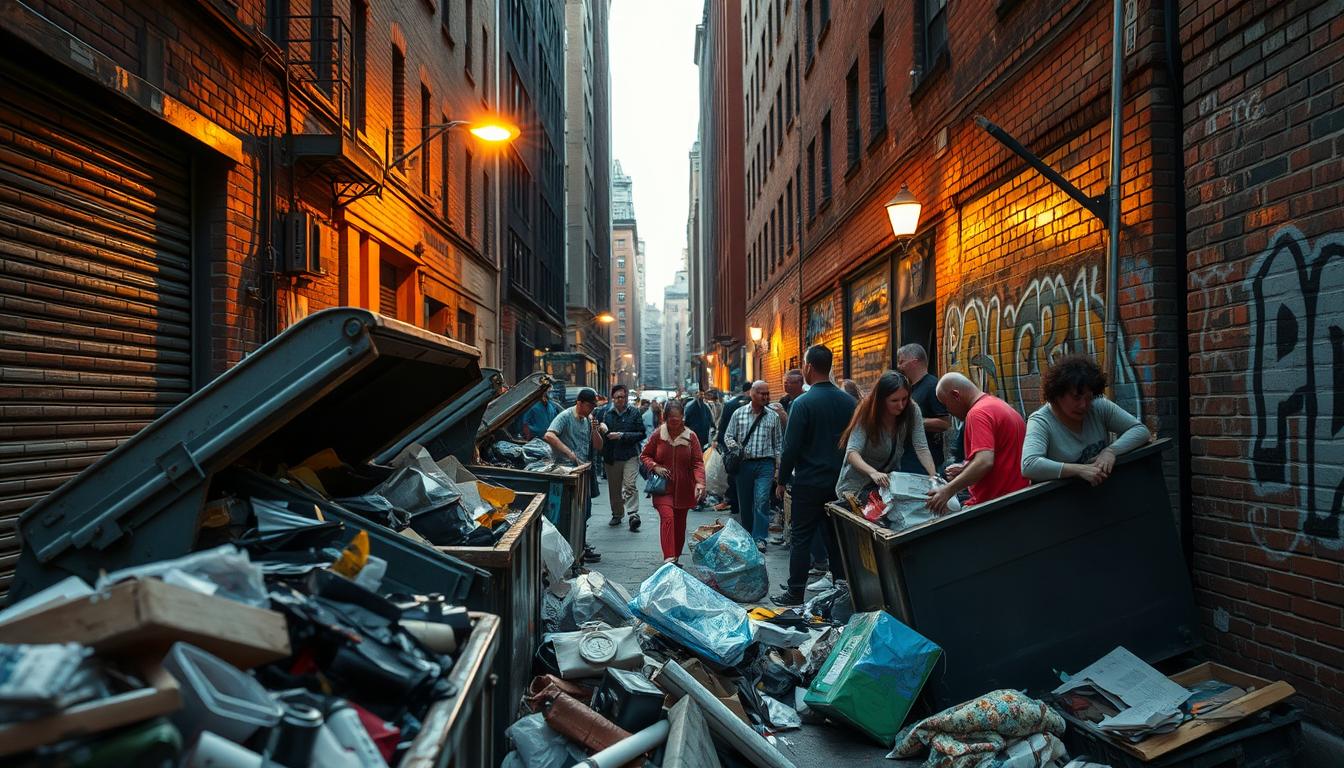
Dumpster Diving Toolkit essentials can make the difference between a successful treasure hunt and a frustrating waste of time. Having the right gear not only keeps you safe but also helps you work more efficiently and find better items.
Most beginners jump into dumpster diving without proper preparation and miss out on valuable finds or put themselves at risk. The right tools turn casual scavenging into a systematic approach that yields consistent results.
TL;DR
- Heavy-duty gloves and a headlamp are the two most critical safety items for any dive.
- A telescoping grabber tool lets you reach items 3-4 feet deep without climbing into dumpsters.
- Milk crates or collapsible storage bins help you sort and transport finds efficiently.
- Basic first aid supplies should always be in your kit since cuts from metal or glass are common.
Essential Dumpster Diving Toolkit Items
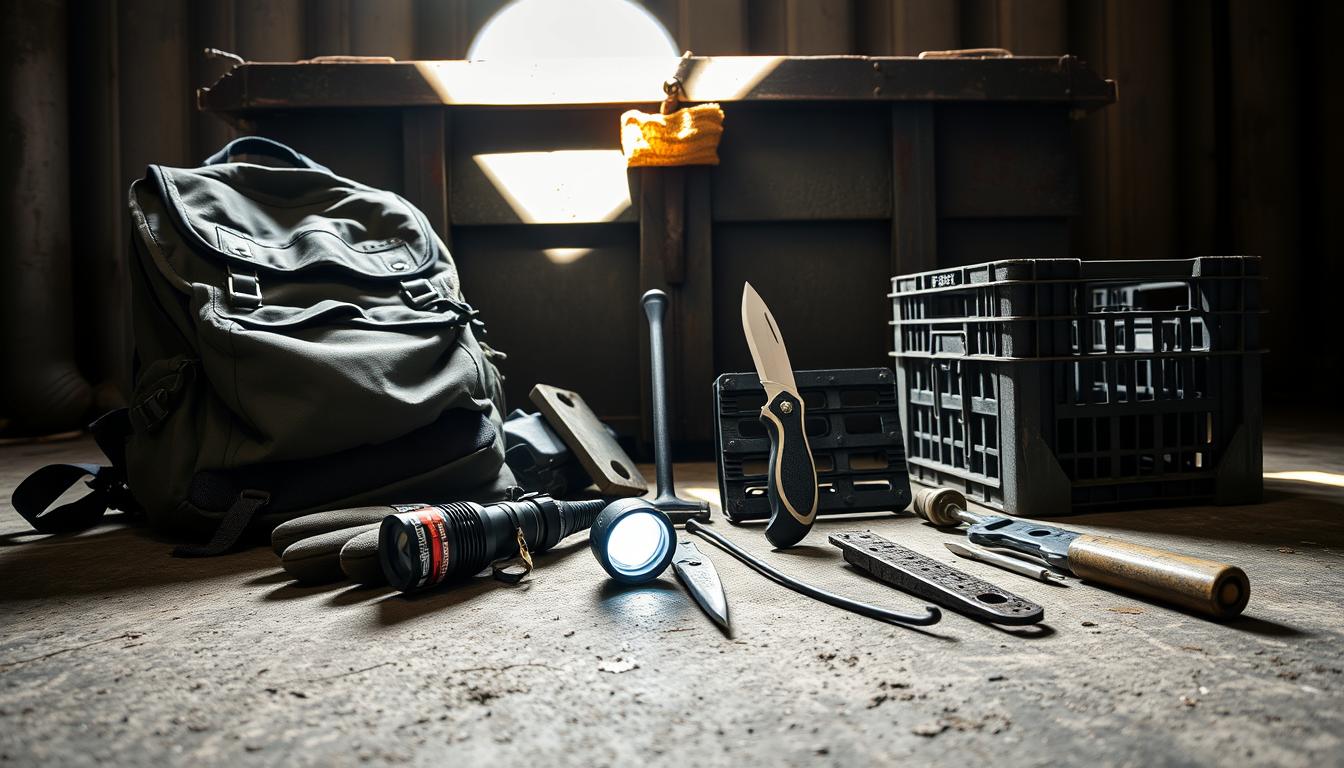
Your core toolkit should focus on safety first, then efficiency. These basic items handle 90% of diving situations and fit easily in a backpack or car trunk.
Start with these must-have tools before adding specialty items. Each piece serves a specific purpose that makes your dives safer and more productive.
Safety Equipment
- Heavy-duty work gloves – Protect against cuts, punctures, and contamination. Choose nitrile-coated or leather gloves that grip well when wet.
- Headlamp or flashlight – Essential for early morning or evening dives. LED headlamps keep your hands free while providing focused light.
- Safety glasses – Shield your eyes from debris when reaching into bags or moving items around.
- Sturdy closed-toe shoes – Work boots or hiking shoes protect feet from broken glass, nails, and sharp metal edges.
- First aid kit – Include bandages, antiseptic wipes, and pain relievers for minor cuts and scrapes.
Collection Tools
- Telescoping grabber tool – Extends your reach by 3-4 feet and lets you move items without direct contact.
- Small folding step ladder – Helps you see into tall dumpsters safely without climbing inside.
- Utility knife or box cutter – Opens sealed bags and boxes quickly. Choose one with a retractable blade for safety.
- Magnet on a rope – Pulls metal items out of tight spaces or liquid spills.
Storage and Transport Solutions
Good organization saves time during dives and makes sorting finds much easier back home. Plan your storage system before you start collecting items.
Multiple containers let you separate different types of finds on the spot. This prevents cross-contamination and makes cleaning easier later.
Container Options
- Milk crates – Stack easily, handle heavy items, and drain liquids if something spills.
- Collapsible storage bins – Save space when empty but expand to hold large finds.
- Heavy-duty trash bags – Contain messy or questionable items you want to examine later.
- Cooler with ice packs – Preserve any food items you might find until you can properly clean and inspect them.
Cleaning and Sanitization Kit
Everything you find needs proper cleaning before use or resale. Build a portable cleaning station that handles different materials and contamination levels.
Pack these supplies in a separate container so they stay clean and ready to use. Keep cleaning materials away from items you plan to keep or sell.
- Disinfectant wipes – Quick cleaning for electronics, toys, and hard surfaces.
- Spray bottles with cleaning solutions – Mix your own bleach solution (1 part bleach to 9 parts water) for serious sanitizing.
- Microfiber cloths – Clean without scratching delicate surfaces like screens or mirrors.
- Plastic scrub brushes – Remove stuck-on debris without damaging items.
- Hand sanitizer – Clean your hands frequently, especially before eating or touching your face.
Pack Smart for Quick Setup
Keep all your gear in one dedicated bag or backpack so you can grab it and go. Organize tools by frequency of use with safety items on top for quick access.
Advanced Tools for Serious Divers
Once you gain experience, these specialized tools can help you access more challenging situations and handle specific types of finds more effectively.
Add these items gradually based on what types of locations you dive most often. Different locations may require specific tools for maximum efficiency.
Specialized Equipment
- Folding wagon or hand truck – Transport heavy items like furniture or appliances back to your vehicle.
- Pry bar or crowbar – Open stuck lids or move heavy objects safely.
- Multi-tool with pliers – Handle wire, small repairs, and various gripping tasks.
- Battery-powered drill – Remove screws from electronics or furniture for easier transport.
- Digital camera – Document valuable finds or interesting discoveries for later reference.
Clothing and Personal Protection
What you wear during dives affects both safety and comfort. Choose clothes you can wash easily or throw away if they get too contaminated.
Layer your clothing so you can adjust for temperature changes during long diving sessions. Evening dives often require different gear than morning searches.
Recommended Clothing
- Moisture-wicking base layer. Stays dry even if you work up a sweat moving heavy items.
- Long pants and long sleeves. Protect skin from cuts, scratches, and contact with questionable substances.
- Hat or cap. Keeps hair clean and provides sun protection during daylight dives.
- Disposable coveralls. Slip over regular clothes for extremely messy situations, then throw away afterward.
Legal and Documentation Tools
Smart divers keep records and stay prepared for potential legal questions. Simple documentation protects you and helps track your most successful locations.
These items take up minimal space but provide important legal protection if property owners or law enforcement ask questions about your activities.
- Small notebook and pen – Record locations, times, and types of finds for future reference.
- Copy of local ordinances – Know exactly what’s legal in your area and have proof ready if questioned.
- Emergency contact information – Include someone who knows your diving schedule in case of accidents.
- Basic identification – Always carry ID and be prepared to explain what you’re doing if approached by authorities.
Articles You May Like
Frequently Asked Questions
How much should I expect to spend on a complete dumpster diving toolkit?
A basic safety-focused toolkit costs $50-75, while a complete setup with advanced tools runs $150-200. Start with essentials and add tools based on your diving frequency and local opportunities.
Can I use regular household gloves for dumpster diving?
Regular rubber or latex gloves tear easily and offer poor grip when wet. Heavy-duty work gloves with nitrile coating or leather construction provide much better protection and durability.
What’s the most important single tool for beginners?
A good headlamp is the most versatile tool since many prime diving times are during low-light conditions. It keeps your hands free while providing focused illumination where you need it most.
Should I bring cleaning supplies on every dive?
Yes, basic cleaning supplies like disinfectant wipes and hand sanitizer should always be in your kit. You never know what you’ll touch, and immediate cleaning prevents contamination of your vehicle and other gear.
Final Thoughts
Dumpster Diving Toolkit preparation separates successful divers from those who give up after a few frustrating attempts. The right tools make every dive safer, more efficient, and more profitable.
Start with the safety essentials this week and build your kit over time. Your first few dives will show you which additional tools match your diving style and local opportunities.