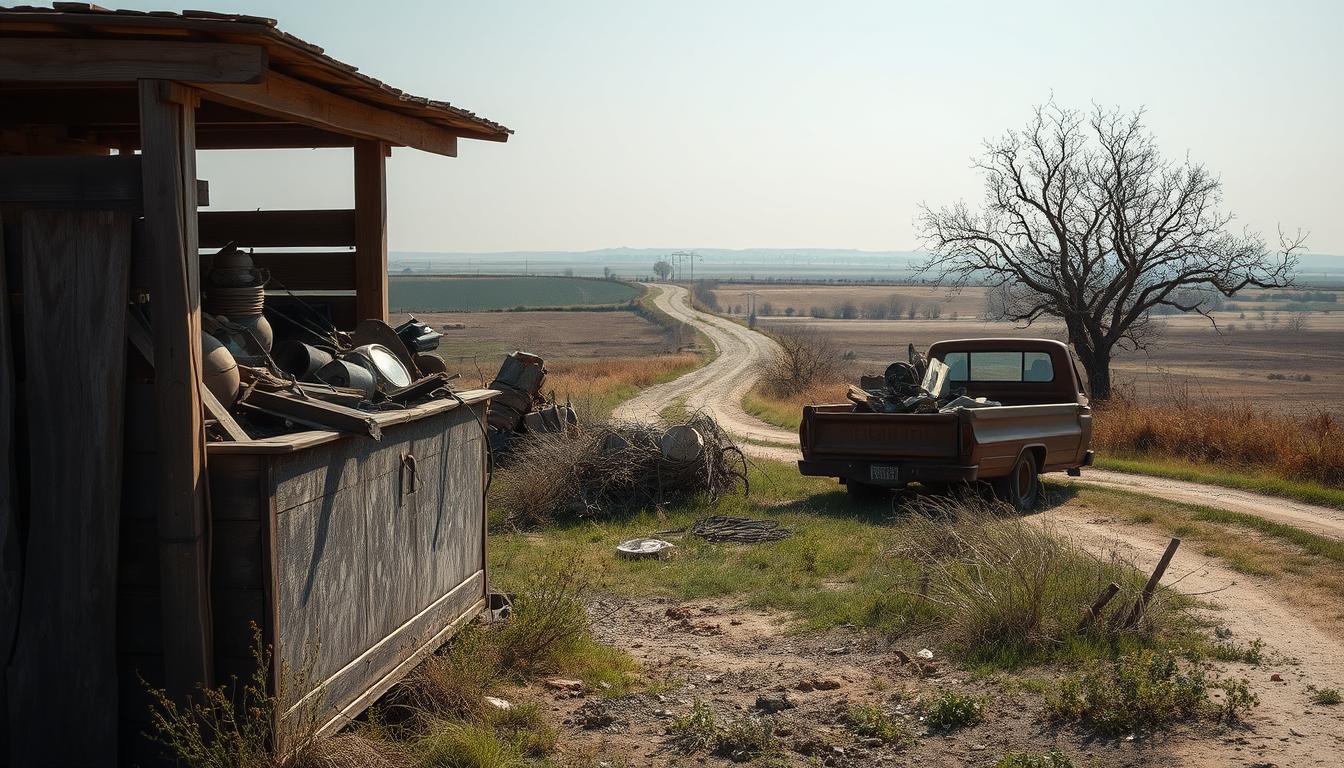
Rural Dumpster Diving opens up a world of treasure hunting opportunities in countryside locations where discarded items often have more potential for reuse and resale. This comprehensive approach to waste recovery combines environmental consciousness with the thrill of discovery. Many people overlook rural areas for diving, making them prime locations for finding valuable items that urban divers miss.
Rural communities often have different disposal patterns than cities, with seasonal dumping from farms, estate cleanouts, and small business discards creating unique opportunities. The lower population density means less competition and potentially better finds for those willing to explore outside metropolitan areas.
TL;DR
- Rural dumpsters have 60% less competition than urban locations, increasing your chances of finding valuable items.
- Farm equipment, antiques, and building materials are commonly found during seasonal cleanouts and estate sales.
- Small town business districts generate steady waste streams from retail stores, restaurants, and service providers.
- Late evening hours between 8-10 PM offer the best timing for rural diving with minimal traffic and visibility.
Rural Dumpster Diving Basics
Understanding the fundamentals of rural scavenging helps you approach this activity with proper preparation and realistic expectations. Rural areas operate on different schedules and disposal patterns compared to urban environments, creating distinct advantages for dedicated divers.
The key difference lies in the types of waste generated and the frequency of disposal. Rural businesses and residents often accumulate items longer before disposing of them, leading to larger hauls when cleanouts occur.
Legal Framework for Rural Areas
Rural dumpster diving operates under the same basic legal principles as urban diving, but enforcement and local ordinances can vary significantly. Most rural areas follow the principle that items in dumpsters on public property are fair game, while private property requires permission. For detailed legal information about property rights and trespassing laws, consult your local government resources.
- Public vs Private Property – Learn to identify property boundaries and respect private land
- Local Ordinances – Check with county offices about specific restrictions in your target area
- Trespassing Laws – Understand that entering private property without permission remains illegal
- Business Hours – Some areas restrict access to dumpsters during business hours
Prime Rural Locations
Successful rural diving requires knowing where to look for the best opportunities. Different types of rural locations offer distinct advantages and potential finds.
Small Town Business Districts
Small town commercial areas concentrate multiple businesses in walkable areas, making them efficient diving locations. These districts typically include retail stores, restaurants, service providers, and professional offices that generate steady waste streams.
- Retail Stores – Seasonal merchandise, damaged packaging, and display items
- Restaurants – Kitchen equipment, furniture, and non-perishable supplies
- Hardware Stores – Tools, building materials, and equipment
- Auto Shops – Parts, tools, and automotive supplies
Agricultural Areas
Farm communities create unique diving opportunities tied to seasonal cycles and agricultural activities. Choosing the right dumpster in agricultural areas requires understanding farming schedules and crop cycles.
- Harvest Season. Late summer and fall bring equipment upgrades and bulk disposal of materials.
- Spring Cleaning. Farmers clear out barns and storage areas before planting season.
- Equipment Upgrades. Modern farming leads to disposal of older but functional machinery.
Safety Considerations
Rural diving presents unique safety challenges that differ from urban environments. Wildlife, weather exposure, and isolation require additional precautions beyond standard diving safety measures.
Wildlife Encounters
Rural dumpsters attract various animals seeking food sources. Understanding how to handle wildlife encounters protects both you and the animals you might encounter during your dives. The Centers for Disease Control and Prevention provides guidance on rabies prevention when dealing with wild animals.
- Large Animals – Bears, deer, and livestock can appear near dumpsters
- Small Pests – Rats, raccoons, and opossums are common dumpster inhabitants
- Insects – Wasps, bees, and spiders may nest in and around containers
- Snakes – Warm dumpsters attract snakes seeking shelter
Weather Awareness
Rural areas often lack streetlights and covered areas, making weather conditions more impactful. Check forecasts before heading out and pack appropriate gear for changing conditions.
Essential Equipment
Rural diving requires more self-sufficiency than urban diving due to limited access to facilities and emergency services. Your equipment list should account for longer distances from help and varied terrain.
- Heavy-duty gloves – Protection from sharp objects and contamination
- High-powered flashlight – Essential for poorly lit rural areas
- First aid kit – Basic medical supplies for minor injuries
- Sturdy footwear – Boots with good traction for varied terrain
- Weather protection – Rain gear and warm clothing for exposure
Timing Your Rural Dives
Successful nighttime vs daytime dumpster diving in rural areas depends on understanding local schedules and seasonal patterns. Rural communities often follow different rhythms than urban areas, creating opportunities for strategic timing.
Seasonal Opportunities
Rural waste generation follows predictable seasonal patterns tied to agricultural cycles, weather changes, and community events. Planning your diving schedule around these patterns maximizes your success potential.
- Spring Cleaning Season. March through May brings major cleanouts as people prepare for warmer weather.
- Back-to-School Period. Late summer generates electronics, furniture, and household goods from student housing turnover.
- Holiday Periods. Post-holiday periods see increased disposal of packaging, decorations, and gift-related items.
- Moving Season. Summer months bring relocations and estate sales with corresponding disposal activities.
Weekly and Daily Patterns
Rural businesses and residents follow different disposal schedules than urban areas. Understanding these patterns helps you arrive when dumpsters are full but before pickup services empty them.
Most rural areas have weekly trash pickup, with businesses disposing of bulk items mid-week to avoid weekend accumulation. Early morning hours after business closure but before pickup services arrive offer optimal diving conditions.
What You Can Find
Rural dumpster diving yields different types of valuable items compared to urban diving. The lower population density and different economic activities create unique opportunities for specific categories of finds.
Farm and Agricultural Items
Agricultural communities generate specialized equipment and supplies that urban divers rarely encounter. These items often retain significant value and utility even when discarded by their original owners.
- Hand Tools – Shovels, hoes, and specialized farming implements
- Fencing Materials – Posts, wire, and gates in reusable condition
- Irrigation Supplies – Pipes, fittings, and sprinkler components
- Garden Equipment – Planters, wheelbarrows, and cultivation tools
Antiques and Vintage Items
Rural areas often preserve older items longer than urban locations, leading to valuable vintage finds during estate cleanouts and property sales. Tales from the dumpster frequently feature amazing antique discoveries from rural locations.
Building Your Rural Diving Skills
Developing expertise in rural diving requires practice and local knowledge that comes from consistent exploration. Start with familiar areas and gradually expand your range as you gain experience and confidence.
Scouting Techniques
Effective rural diving begins with thorough location scouting during daylight hours. Scouting the best dumpster locations in rural areas requires different strategies than urban scouting due to larger distances and fewer obvious targets.
Drive through potential areas during business hours to identify active businesses, note dumpster locations, and observe access routes. Pay attention to traffic patterns, lighting conditions, and potential obstacles that might affect your diving activities.
Articles You May Like
Frequently Asked Questions
What makes rural dumpster diving different from urban diving?
Rural diving offers less competition, different types of waste including agricultural items, and seasonal patterns tied to farming cycles. You’ll also encounter more wildlife and have longer distances between locations.
When is the best time for rural dumpster diving?
Late evening hours between 8-10 PM offer optimal timing with minimal traffic and full dumpsters before morning pickup. Seasonal peaks occur during spring cleaning, harvest season, and post-holiday periods.
What safety precautions are most important in rural areas?
Wildlife awareness tops the list, followed by weather preparation and emergency communication planning. Carry a first aid kit and inform someone of your diving locations due to limited cell service in rural areas.
Are rural areas legally safer for dumpster diving?
Legal considerations remain similar, but enforcement may be less strict in rural areas. Always respect private property and check local ordinances, as some rural counties have specific restrictions on scavenging activities.
What valuable items are commonly found in rural dumpsters?
Farm equipment, antiques, building materials, and vintage items appear frequently. Seasonal cleanouts yield furniture, appliances, and household goods in better condition than typical urban finds.
Final Thoughts
Rural Dumpster Diving offers unique opportunities for finding valuable items while contributing to waste reduction in underexplored areas. The combination of less competition, seasonal opportunities, and different types of discarded materials makes rural diving a rewarding alternative to urban scavenging.
Start with familiar rural areas and gradually build your knowledge of local patterns and opportunities. Your first dive in rural areas requires extra preparation, but the potential rewards make the effort worthwhile.