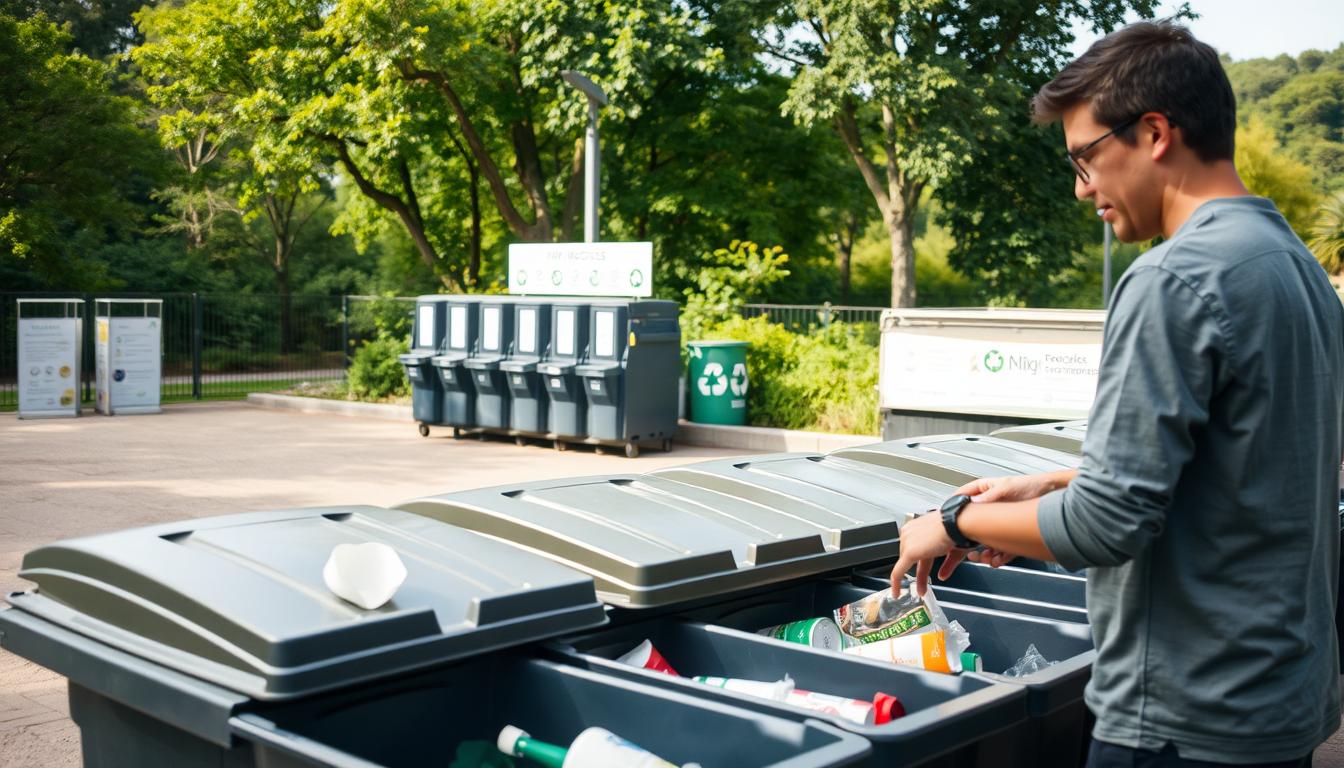
Respectful Dumpster Diving starts with understanding that even discarded items deserve thoughtful consideration. Many successful divers follow unwritten rules that protect both the community and the practice itself.
The difference between respectful diving and careless scavenging often determines whether businesses and neighborhoods stay welcoming to divers. Simple courtesy goes a long way in keeping this resourceful practice sustainable for everyone.
TL;DR
- Always clean up after yourself – leave the area cleaner than you found it to maintain good relationships with property owners.
- Dive during off-peak hours like early morning (5-7 AM) to avoid disrupting business operations and foot traffic.
- Never take items from residential trash bins without permission – stick to commercial dumpsters in public areas.
- Respect “No Trespassing” signs completely – trespassing charges can result in fines up to $500 in most states.
Respectful Dumpster Diving Fundamentals
Respectful diving means treating every location like you’re a guest rather than an intruder. This mindset shapes how you approach dumpsters, interact with staff, and handle any materials you find.
The golden rule applies here – dive the way you’d want someone diving near your property. This means being quiet, clean, and considerate of the people who work and live in the area.
Property Boundaries and Permission
Always check if dumpsters sit on private property before approaching them. Many retail locations place dumpsters behind locked gates or in areas marked with “No Trespassing” signs.
When dumpsters are clearly on public property or accessible from public sidewalks, you’re generally in the clear legally. However, California has specific rules about trash access that vary by city, so research your local laws first.
Timing Your Dives Respectfully
Smart timing prevents most conflicts with business owners and employees. Early morning hours between 5-7 AM work best because staff haven’t arrived yet and foot traffic is minimal.
Avoid diving during busy business hours, delivery times, or when employees are taking breaks outside. Lunch hours and evening shifts often bring more people to back areas where dumpsters are located.
Seasonal Considerations
Holiday seasons require extra sensitivity since businesses deal with increased stress and longer hours. Black Friday weekend and the week before Christmas are particularly busy times to avoid.
Summer diving means earlier morning starts since daylight comes sooner and temperatures rise quickly. Winter diving requires more gear but offers longer dark hours for privacy.
The 15-Minute Rule
Spend no more than 15 minutes at any single dumpster location. This prevents you from looking like you’re loitering and reduces the chance of uncomfortable encounters with staff or security.
Interacting With Staff and Security
When employees or security approach you, stay calm and polite. Most people just want to understand what you’re doing and ensure you’re not causing problems.
A simple explanation like “I’m looking for recyclable items” or “I collect cardboard for moving” often satisfies curious staff. Avoid detailed explanations about diving – keep responses brief and friendly.
Handling Confrontations
If asked to leave, comply immediately without argument. Thank them politely and move on to another location – fighting over access never helps the diving community’s reputation.
Never dive at the same location where you’ve been asked to leave. Word travels among staff, and repeat visits after being told to stay away can lead to trespassing charges.
Cleaning Up After Yourself
Leave every dumpster area cleaner than you found it. This single habit builds goodwill and ensures other divers can continue accessing the location.
Bring a small broom or brush to sweep up any debris you accidentally scatter. Pick up trash that was already on the ground, even if you didn’t drop it – this extra effort gets noticed.
Proper Bag Handling
When opening trash bags, do it carefully to avoid spills. Tie bags back up securely after checking their contents, and stack them neatly in the dumpster.
If you remove items from bags, consolidate the remaining trash into fewer bags to save space. This organizational touch shows respect for the business’s waste management needs.
- Bring cleanup supplies – pack wet wipes, small trash bags, and rubber gloves for quick cleanups.
- Fix what you disturb – if you move items to access bags, put everything back in its original position.
- Report hazards – if you spot broken glass or dangerous debris, remove it safely or notify property management.
- Close dumpster lids – always leave lids closed to prevent pests and odors from becoming the business’s problem.
Building Community Relationships
Regular divers often develop positive relationships with business staff who appreciate their cleanup efforts. Some employees even save interesting items or let divers know about special disposal days.
These relationships take months to build but can provide valuable insights about delivery schedules, remodel projects, and seasonal disposal patterns. Effective location scouting includes understanding these business rhythms.
Sharing Information Responsibly
When you find a great location, be selective about who you share it with. Too many divers at one spot can overwhelm the area and lead to access restrictions.
Share locations only with divers you know follow respectful practices. One careless person can ruin access for everyone, so protect good spots by keeping them within trusted circles.
Environmental Responsibility
Respectful diving includes environmental stewardship beyond just rescuing usable items. Properly dispose of hazardous materials you encounter rather than leaving them for others to handle.
Separate recyclables you don’t want and place them in appropriate recycling bins when available. This extra step supports the business’s sustainability efforts and demonstrates your environmental awareness.
Waste Reduction Impact
Document your finds to understand how much waste you’re diverting from landfills. According to the EPA’s waste management data, Americans generate over 292 million tons of municipal solid waste annually.
This data helps justify the practice when talking to skeptics and provides concrete evidence of environmental benefits. Environmental activism through diving becomes more powerful with specific impact numbers.
Articles You May Like
Frequently Asked Questions
What should I do if someone asks me to leave?
Comply immediately and politely. Thank them for letting you know and leave the area without arguing or explaining why you should be allowed to stay.
Is it okay to dive at residential dumpsters?
Generally no – stick to commercial dumpsters in public areas. Residential diving raises more privacy concerns and legal complications than commercial diving.
How can I tell if a dumpster is on private property?
Look for fences, gates, “No Trespassing” signs, or dumpsters positioned clearly behind business buildings. When in doubt, assume it’s private property and skip that location.
What’s the best time of day for respectful diving?
Early morning between 5-7 AM works best since most businesses haven’t opened yet and foot traffic is minimal. Avoid busy hours, lunch breaks, and evening closing times.
Final Thoughts
Respectful Dumpster Diving practices ensure this resourceful activity remains viable for years to come. The small extra effort you put into being courteous and clean pays dividends in continued access and community acceptance.
Start with these respectful habits from your first dive and make them automatic. Your consideration for others makes the entire diving community look better and keeps doors open for everyone.