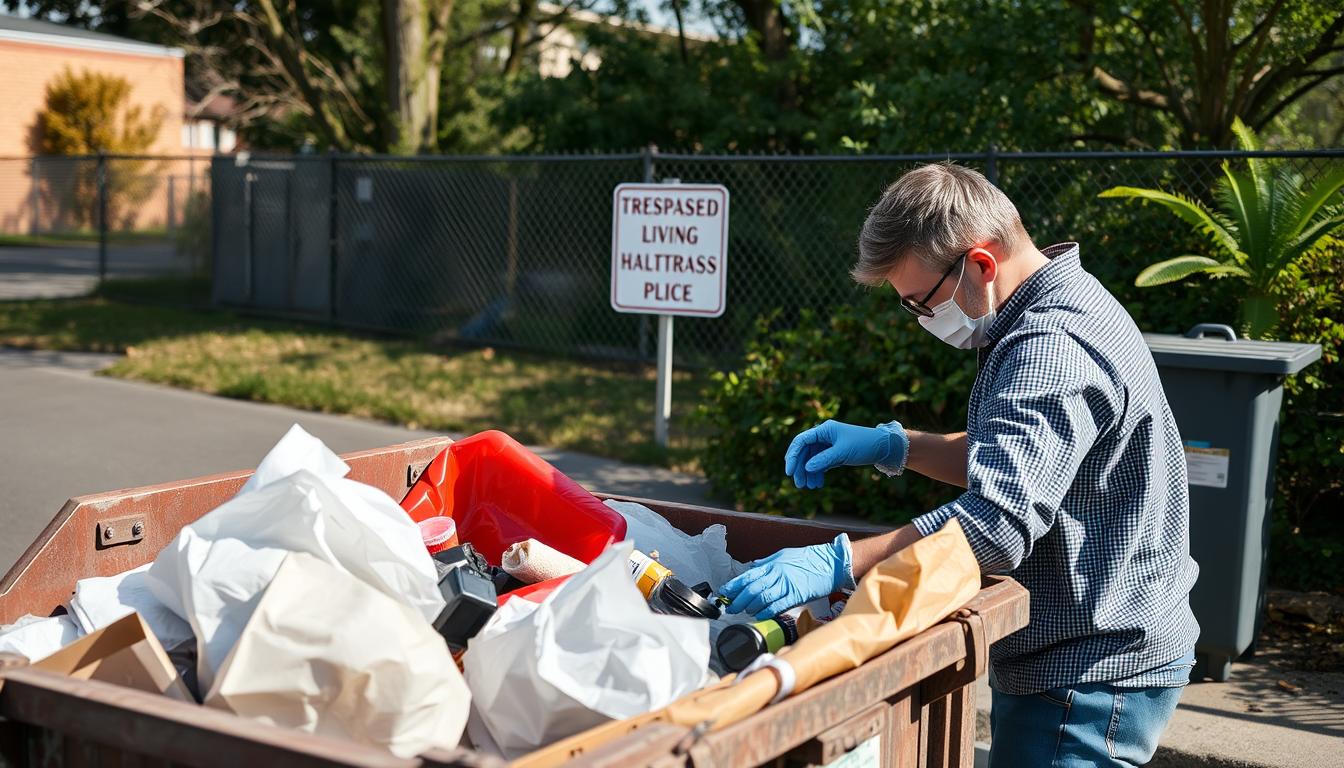
An Urban Dumpster Diving Guide opens up a world of sustainable living that goes beyond just saving money. This practice helps reduce waste while finding perfectly usable items that would otherwise end up in landfills. Many people discover valuable goods, from electronics to furniture, through careful and responsible diving.
This guide covers everything you need to know about starting your dumpster diving journey safely and legally. You’ll learn where to find the best items, how to stay protected, and how this practice connects to broader environmental goals.
TL;DR
- Check local laws before diving – regulations vary by city and can include trespassing restrictions on private property.
- Wear protective gear including thick gloves, sturdy clothing, and eye protection to avoid injuries from sharp objects.
- Target retail locations in early morning or late evening when fresh discards are available and foot traffic is low.
- Focus on non-perishable items, sealed packages, and items that can be easily cleaned and sanitized.
Urban Dumpster Diving Guide Basics
Understanding the fundamentals helps you approach dumpster diving with confidence and purpose. The practice centers on reducing waste while finding useful items that stores and businesses discard daily. This sustainable approach lets you discover everything from food to household goods that are perfectly functional.
The key lies in knowing what to look for and where to find it. Retail establishments often discard items due to minor packaging damage, approaching expiration dates, or seasonal changes rather than actual defects.
Philosophy Behind Freegan Living
Freeganism represents a conscious choice to reduce consumption and environmental impact through resourcefulness. Practitioners focus on rescuing usable items from the waste stream rather than purchasing new products. This lifestyle challenges traditional consumer culture while promoting practical sustainability.
The movement connects to broader environmental activism by demonstrating how much usable material gets wasted in our throwaway society. Many freegans report feeling more connected to their consumption patterns and environmental impact through this hands-on approach.
Essential Equipment and Safety
Proper preparation ensures your diving experiences remain safe and productive. Your equipment list should prioritize protection while remaining practical for urban exploration.
Safety Gear Requirements
- Heavy-duty gloves – protect against sharp objects, broken glass, and unsanitary conditions
- Sturdy boots or shoes – provide ankle support and protection from debris
- Flashlight or headlamp – essential for early morning or evening dives
- First aid kit – handle minor cuts or scrapes immediately
- Hand sanitizer – maintain cleanliness during and after diving
Your clothing should be practical and disposable. Avoid wearing anything valuable or difficult to wash, as dumpster diving can be messy work.
Health Precautions
Maintaining good hygiene practices protects your health during and after diving. Always wash your hands thoroughly before eating or touching your face. Clean any found items with soap and water or appropriate disinfectants before bringing them into your home.
Be aware of potential hazards like broken glass, chemical containers, or spoiled food that could cause illness. If something looks, smells, or feels dangerous, leave it alone.
Legal Considerations and Best Practices
Understanding the legal landscape helps you dive responsibly without encountering problems with law enforcement or property owners. Laws vary significantly between states and municipalities, making research essential before starting.
Know Your Local Laws
Some areas explicitly prohibit dumpster diving, while others allow it with restrictions. Private property rules often apply, making diving on business premises without permission potentially illegal. Public dumpsters may have different regulations than private ones.
Research your local ordinances and state laws before diving. Check with your local municipal code office for specific regulations in your area, as location-specific knowledge is crucial.
Respectful Diving Practices
- Leave no trace. Clean up any mess you make and leave the area better than you found it.
- Respect property boundaries. Stay on public property or get permission before entering private areas.
- Be discrete. Avoid drawing attention to yourself or creating disturbances for businesses or residents.
- Follow local schedules. Learn pickup times to avoid interfering with waste collection services.
Professional Approach
If confronted by security or police, remain calm and polite. Explain you’re engaged in waste reduction efforts and immediately comply with any requests to leave.
Prime Diving Locations
Different locations offer distinct opportunities and require tailored approaches. Understanding when and where to dive maximizes your success while minimizing risks.
Retail Establishments
Grocery stores and big box retailers provide consistent opportunities for finding food, household items, and seasonal merchandise. These locations often discard products due to packaging damage, seasonal changes, or minor defects rather than fundamental problems.
Time your visits strategically around store schedules and delivery patterns. Many retailers restock overnight and clear old inventory in the early morning hours.
Residential Areas
Apartment complexes and neighborhoods offer furniture, electronics, and household goods, especially during move-out periods. College towns provide particularly good opportunities at semester ends when students discard large quantities of usable items.
End-of-month periods often yield better results as lease changes trigger significant disposal activities. Look for areas with high turnover rates for consistent opportunities.
Commercial Districts
Office buildings and restaurants discard office supplies, furniture, and food items regularly. Restaurant diving requires extra caution due to food safety concerns, but office areas often yield electronics and supplies in good condition.
Business districts work best during off-hours when foot traffic is minimal and dumpsters are freshly filled from daily operations.
What to Look For
Success in dumpster diving comes from knowing which items are worth rescuing and how to evaluate their condition quickly. Focus on items that clean well, have obvious value, or can be repurposed effectively.
Food Items
Stick to non-perishable items in sealed packaging when diving for food. Canned goods, dry goods, and packaged items past their sell-by date but before expiration often remain perfectly safe. Avoid anything with damaged packaging or signs of spoilage.
Many stores discard food based on conservative dating practices, meaning items may remain good well past their marked dates. Use your judgment and focus on items with clear packaging that allows visual inspection. The USDA FoodKeeper App provides guidance on food safety and shelf life.
Electronics and Appliances
Small electronics often get discarded due to minor issues or cosmetic damage. Look for items with power cords intact and minimal visible damage. Many electronics just need cleaning or minor repairs to function properly.
Test items when possible before investing time in cleaning or repairs. Battery-operated devices are easier to evaluate on-site than plug-in appliances.
Clothing and Textiles
Quality clothing appears regularly in dumpsters from retail returns, seasonal changes, or residential cleanouts. Look for items from recognizable brands or with tags still attached. Even damaged items may provide fabric for repairs or craft projects.
Check for stains, tears, or odors that might make items unsuitable. Many clothing finds just need washing to be perfectly usable.
Environmental Impact and Community Building
Dumpster diving creates positive environmental effects beyond individual finds. The practice raises awareness about waste production while building communities around sustainable living principles.
Waste Reduction Benefits
Every item rescued from dumpsters represents resources saved from landfills and reduced demand for new production. This direct action demonstrates how much usable material gets wasted in our consumer economy.
Track your finds to understand your personal impact on waste reduction. According to the EPA’s municipal solid waste data, many divers report surprise at the volume and quality of discarded items they rescue monthly.
Building Community Connections
Sharing finds with neighbors, friends, or charitable organizations extends the impact of your diving activities. Community sharing networks help distribute rescued items to people who need them most.
Online forums and local groups provide support, tips, and coordination for diving activities. These communities often organize group dives and resource sharing events.
Getting Started Safely
Your first diving experiences should prioritize learning over maximizing finds. Start with familiar areas during daylight hours to build confidence and skills gradually.
Planning Your Route
Map out potential locations and research their schedules before heading out. Plan routes that minimize travel time while hitting multiple productive spots. Scout locations systematically to identify the most promising spots for regular visits.
Keep notes on successful locations, timing, and types of items found to optimize future trips. This data helps you develop efficient diving patterns.
Starting Small
Begin with locations and items that feel comfortable and safe. Focus on learning proper safety practices and legal boundaries before expanding to more challenging sites or valuable items.
Consider starting with guided community dives if available in your area. Experienced divers can provide valuable mentorship and safety guidance.
Articles You May Like
Frequently Asked Questions
Is dumpster diving legal everywhere in the United States?
No, laws vary significantly by state and municipality. Some areas prohibit it entirely while others allow it with restrictions, so research local regulations before starting.
What safety equipment do I need for dumpster diving?
Essential gear includes thick gloves, sturdy boots, flashlight or headlamp, first aid kit, and hand sanitizer. Wear old clothes you don’t mind getting dirty or damaged.
When is the best time to go dumpster diving?
Early morning and late evening typically offer the best opportunities with less foot traffic and fresh discards. Avoid extreme weather conditions for safety.
How do I know if food items are safe to take?
Focus on sealed, non-perishable items in undamaged packaging. Avoid anything with broken seals, signs of spoilage, or strong odors that might indicate contamination.
What should I do if confronted while dumpster diving?
Stay calm and polite, explain you’re working on waste reduction, and immediately comply with any requests to leave. Never argue or become confrontational.
Final Thoughts
Urban Dumpster Diving Guide practices offer a practical way to live more sustainably while finding useful items that would otherwise go to waste. This approach combines environmental consciousness with resourcefulness to create positive impacts for both individuals and communities.
Start with safety and legal research, then gradually build your skills and knowledge through hands-on experience. The combination of waste reduction, community building, and practical finds makes this practice rewarding for those committed to sustainable living.