Is It Illegal For Someone To Go Through Your Trash In South Carolina depends on where your trash is located and local city ordinances. South Carolina follows federal law established by the Supreme Court case California v. Greenwood, which means trash placed on public property for collection generally has no privacy protection.
However, the legal landscape becomes more complex when you consider local regulations and specific circumstances. Understanding your rights helps protect your privacy and property while staying within the law.
TL;DR
- Trash on public property or curbs for collection has no Fourth Amendment protection under federal law.
- Going through trash on private property without permission is typically considered trespassing in South Carolina.
- Local ordinances in cities like Charleston and Columbia may impose additional restrictions and fines up to $500.
- Commercial dumpster diving often violates trespassing laws and can result in criminal charges.
Is It Illegal For Someone To Go Through Your Trash In South Carolina
South Carolina law regarding trash searching follows the 1988 Supreme Court ruling in California v. Greenwood. This decision established that once you place trash on public property for collection, you lose reasonable expectation of privacy.
The key factor is location – trash on your private property remains protected, while trash at the curb or on public property does not. This distinction affects both your rights as a property owner and the legal consequences for someone going through your garbage.
Federal Law Foundation
The Supreme Court’s California v. Greenwood decision forms the basis for trash laws across all states, including South Carolina. The court ruled that garbage placed for public collection is accessible to animals, scavengers, and other members of the public.
This federal precedent means:
- No Fourth Amendment Protection – Constitutional privacy rights don’t apply to curbside trash
- Public Domain Principle – Items discarded in public areas are considered abandoned property
- State Flexibility – States can create stricter laws but cannot provide less protection than federal standards
What Constitutes Public vs Private Property
Understanding property boundaries is essential for determining legal rights. Private property includes your home, yard, driveway, and any enclosed areas under your control.
Public property encompasses streets, sidewalks, curbs, and designated trash collection areas. The transition from private to public typically occurs at your property line, though some municipalities maintain easements that extend into private property for utility access.
South Carolina State Laws
South Carolina doesn’t have specific statutes addressing trash searching, which means the state relies on federal guidelines and general property laws. However, several related laws come into play when someone goes through your garbage.
Trespassing laws protect private property, including areas where you store trash before collection. If someone enters your property to access garbage containers, they could face trespassing charges regardless of their intent with the trash itself.
Trespassing Penalties
South Carolina Code Section 16-11-620 defines criminal trespass and associated penalties:
- First Offense. Misdemeanor punishable by up to 30 days in jail or $200 fine
- Second Offense. Misdemeanor with up to one year imprisonment or $1,000 fine
- Aggravated Trespass. Involves threats or weapons, classified as a felony with up to five years imprisonment
Protect Your Privacy
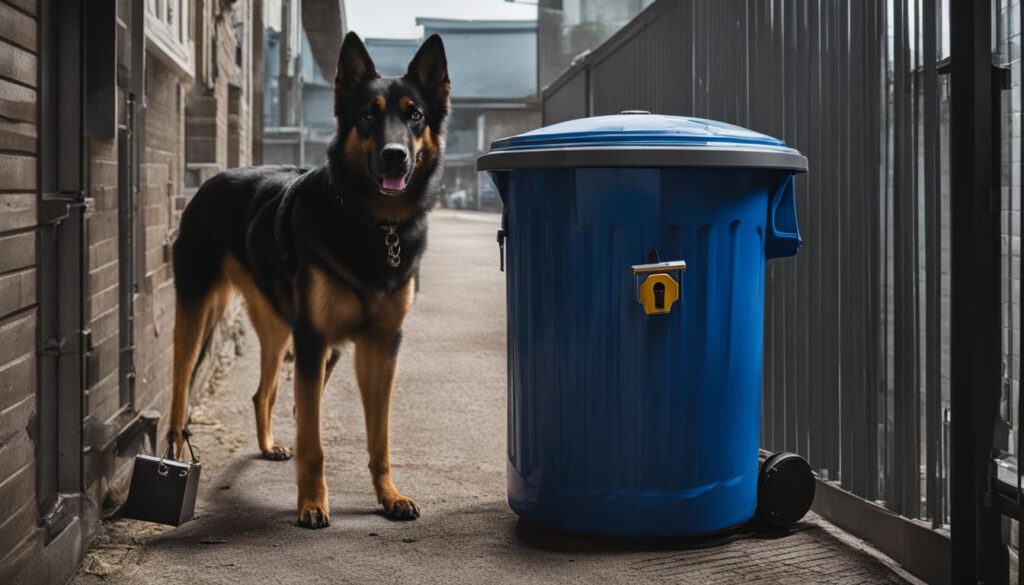
Keep trash containers on private property until collection day morning to maintain legal protection. Consider shredding sensitive documents and using locked containers for valuable discarded items.
Local Ordinances and Variations
Many South Carolina cities and counties have enacted local ordinances that provide additional protection beyond federal and state law. These local rules often address specific community concerns about privacy, sanitation, and public safety.
Charleston, Columbia, and Greenville have various regulations governing trash collection and access. Some prohibit scavenging entirely, while others restrict the times and methods for accessing discarded materials.
Common Local Restrictions
- Time Limitations – Prohibiting trash access during certain hours, typically overnight
- Scattering Prohibitions – Requiring anyone who searches trash to clean up afterward
- Commercial Restrictions – Separate rules for business dumpsters and residential trash
- Noise Ordinances – Limiting activities that disturb neighbors during quiet hours
Practical Scenarios and Legal Implications
Different situations create varying levels of legal risk and privacy expectations. Understanding common scenarios helps clarify when trash searching crosses legal boundaries.
Residential curbside collection represents the most straightforward application of federal law, while private property and commercial situations involve additional legal considerations.
Residential Situations
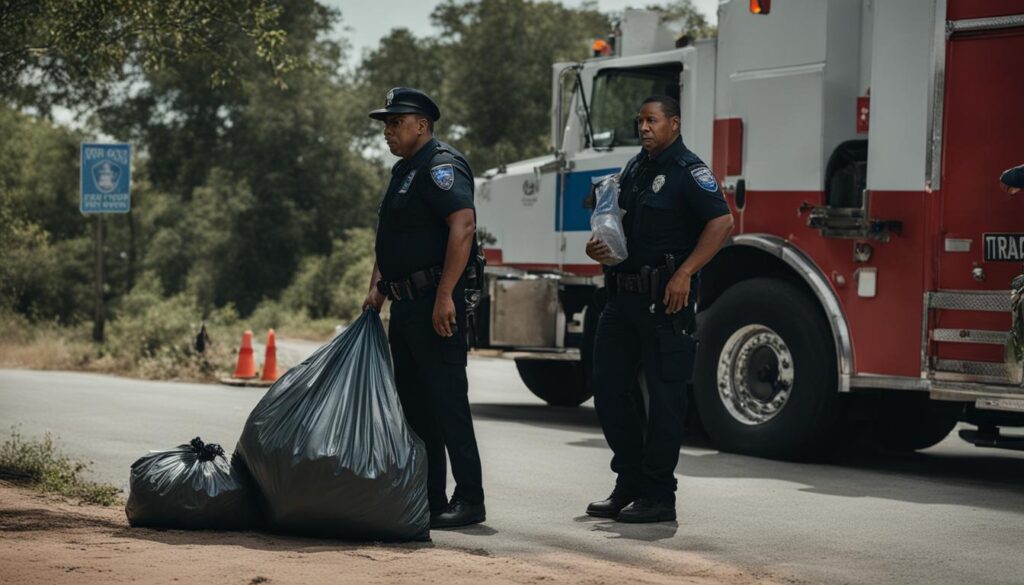
When homeowners place trash at the curb for scheduled pickup, the law generally permits public access. However, timing matters – accessing trash before collection day or after pickup may violate local ordinances.
Someone taking items from bags or containers still on private property faces trespassing charges. This includes driveways, enclosed yards, or any area within property boundaries, similar to laws in North Carolina and other neighboring states.
Commercial Property
Business dumpsters typically sit on private property, making unauthorized access a trespassing violation. Many businesses also post “No Trespassing” signs that strengthen legal protections.
Commercial trash often contains confidential information protected by privacy laws, adding potential federal violations to local trespassing charges. Businesses frequently contract with waste management companies that include specific access restrictions.
Identity Theft and Privacy Concerns
Beyond basic trespassing, going through someone’s trash can lead to identity theft charges if personal information is collected and misused. South Carolina’s Identity Theft Protection Act imposes serious penalties for obtaining and using personal identifying information without consent.
Financial documents, medical records, and personal correspondence found in trash can provide tools for identity theft. Even if the initial trash access is legal, subsequent misuse of found information creates separate criminal liability.
Protected Information Types
- Financial Records – Bank statements, credit card bills, tax documents
- Medical Information – Protected under HIPAA and state privacy laws
- Personal Identifiers – Social Security numbers, driver’s license information, passwords
- Legal Documents – Contracts, legal notices, court papers
Articles You May Like
Frequently Asked Questions
Can police search my trash without a warrant in South Carolina?
Yes, police can search trash placed on public property without a warrant under the California v. Greenwood precedent. However, they need a warrant or probable cause to access trash on private property.
What should I do if someone is going through my trash?
If the trash is on public property, it’s generally legal but check local ordinances. If it’s on your private property, document the incident and contact local law enforcement about potential trespassing.
Are there specific times when trash searching becomes illegal?
Many local ordinances restrict trash access during certain hours or before scheduled pickup. Check your city’s specific regulations as violation can result in fines up to $500 in some areas.
Can businesses prevent people from accessing their dumpsters?
Yes, business dumpsters are typically on private property, making unauthorized access trespassing. Businesses can post signs and pursue criminal charges against violators.
What happens if I find valuable items in someone’s trash?
Items found in legally accessible trash generally become your property, but using any personal information for identity theft or fraud remains illegal regardless of how you obtained it.
Final Thoughts
Is It Illegal For Someone To Go Through Your Trash In South Carolina depends primarily on location and local regulations rather than blanket state prohibitions. While federal law provides limited protection for curbside trash, private property rights and local ordinances offer additional safeguards.
Understanding these distinctions helps protect your privacy while avoiding legal trouble. When in doubt, keep trash on private property until collection time and check your local city ordinances for specific restrictions in your area.