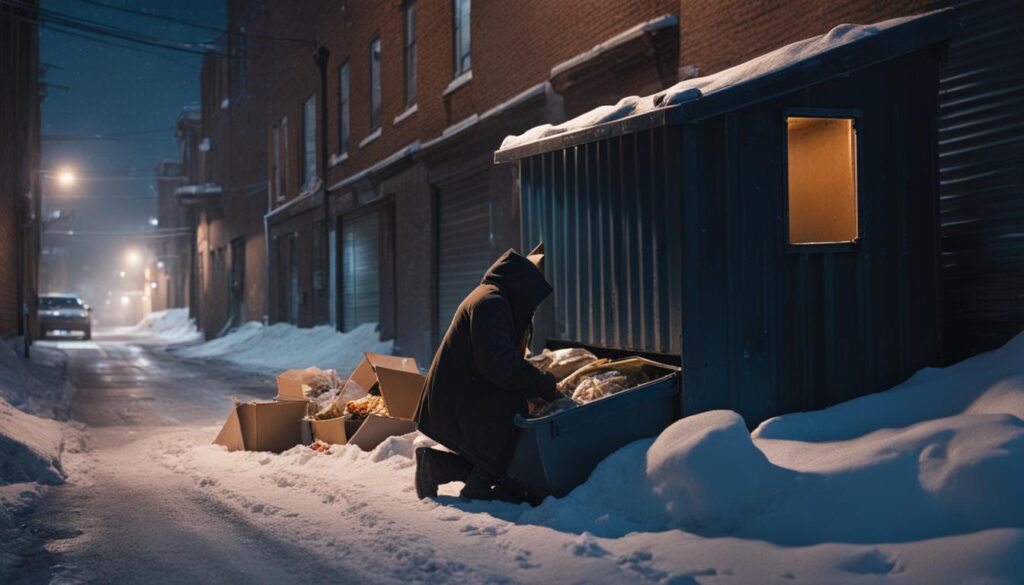
Is It Illegal For Someone To Go Through Your Trash In Wyoming is a question many residents ask when they discover someone has been rummaging through their garbage bins. Wyoming follows federal guidelines established by the California v. Greenwood Supreme Court case, which means your trash generally loses Fourth Amendment protection once it’s placed on public property for collection.
However, the situation becomes more complex when you consider local ordinances, private property rights, and specific circumstances. Understanding these nuances can help you protect your privacy and know your rights when it comes to trash disposal and potential violations.
TL;DR
- Wyoming follows federal law – trash on public property for collection has no expectation of privacy under the Fourth Amendment.
- Going through trash on private property without permission constitutes trespassing and can result in misdemeanor charges.
- Local ordinances in cities like Cheyenne and Casper may impose additional restrictions with fines ranging from $50-$500.
- Shredding sensitive documents and using locked bins can legally protect your personal information from trash searchers.
Is It Illegal For Someone To Go Through Your Trash In Wyoming
Wyoming doesn’t have specific state laws prohibiting trash searching, but several legal frameworks apply to this situation. The state follows the precedent set by California v. Greenwood (1988), which determined that trash placed for public collection loses its reasonable expectation of privacy.
This means once your garbage bags hit the curb or public collection area, anyone can legally search through them under federal law. However, this doesn’t give people unlimited access to your trash in all circumstances.
When Trash Searching Becomes Illegal
Several scenarios can make going through someone’s trash illegal in Wyoming, even without specific anti-scavenging laws. These situations typically involve other criminal violations that occur during the trash searching process.
Trespassing Violations
If someone enters your private property to access your trash, they’re committing trespassing regardless of their intentions. Wyoming Statute 6-3-303 makes criminal trespass a misdemeanor punishable by up to six months in jail and $750 in fines.
This applies when trash bins are located on your driveway, in your garage, or anywhere on your private property before collection day. Similar laws apply in other states, and you can check regulations for places like Colorado or Montana to see how neighboring states handle these situations.
Local Ordinance Violations
Many Wyoming municipalities have enacted their own rules about trash scavenging and collection interference. These local laws can impose fines and penalties even when federal law technically allows the behavior.
- Cheyenne – Prohibits disturbing waste containers with fines up to $300 for first violations.
- Casper – Restricts scavenging during designated collection hours with penalties starting at $100.
- Laramie – Requires permission from property owners before accessing any waste materials.
- Jackson – Bans all unauthorized waste collection activities with fines up to $500.
Identity Theft and Privacy Concerns
While trash searching might be technically legal in many situations, using found information for illegal purposes definitely isn’t. Wyoming’s identity theft laws (Wyoming Statute 6-3-901) make it a felony to use someone’s personal information without consent.
This creates a practical barrier for most trash searchers since using any personal documents, account numbers, or identifying information they find would constitute a serious crime. The penalties for identity theft in Wyoming include up to 10 years in prison and $10,000 in fines.
Protect Your Privacy
Invest in a crosscut shredder for sensitive documents and consider using locking trash bins. These simple steps legally protect your personal information regardless of local trash laws.
Commercial vs. Residential Trash
Wyoming treats commercial and residential trash differently in terms of legal protections and potential violations. Businesses often have additional privacy concerns and may face different regulations than homeowners.
Business Dumpster Protections
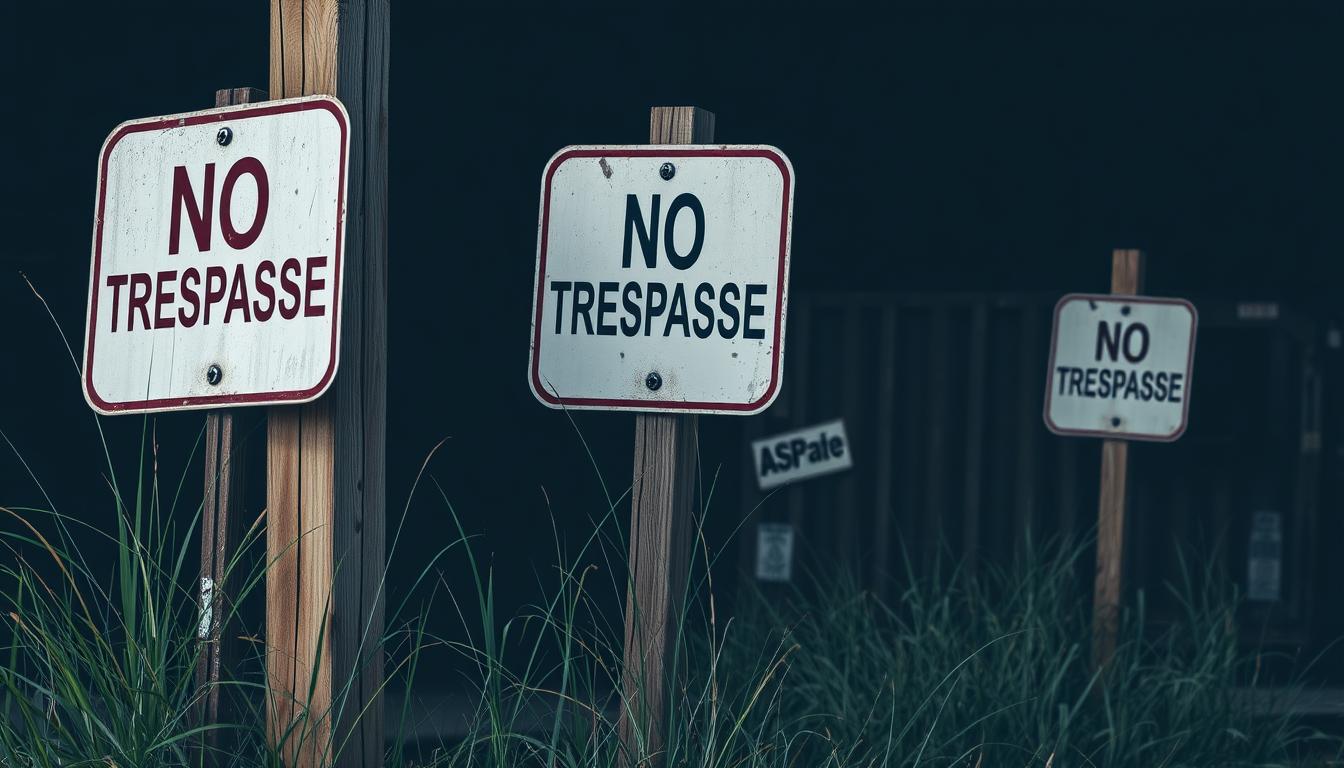
Commercial properties frequently have stronger legal protections for their waste materials. Many businesses place dumpsters on private property and post no-trespassing signs, which creates clear legal boundaries for potential violations.
Companies handling sensitive information also fall under federal privacy regulations like HIPAA or FERPA, which can make accessing their discarded materials a federal crime even if local trash laws are permissive.
Residential Collection Rules
Homeowners have fewer legal protections once their trash reaches public collection areas, but they maintain full rights while containers remain on private property. The timing of when you place trash for collection becomes important for maintaining maximum legal protection.
States like Utah and Idaho have similar residential protection standards, making this a regional approach to trash privacy rights.
Law Enforcement and Trash Searches
Police and other law enforcement agencies operate under different rules when it comes to searching trash in Wyoming. They still must follow constitutional guidelines, but they have broader authority than private citizens in most situations.
Officers can search trash placed for public collection without a warrant, but they need probable cause or a warrant to access containers on private property. This distinction matters for understanding your rights during police investigations.
Practical Prevention Strategies
Several legal methods can help Wyoming residents protect their privacy and discourage unwanted trash searching. These strategies work within existing laws while maximizing your privacy protection.
- Timing – Place trash containers at the curb as close to collection time as possible to minimize exposure.
- Secure containers – Use bins with locking lids or bungee cords to deter casual searchers.
- Document destruction – Shred or burn sensitive papers before disposal to eliminate privacy risks.
- Location awareness – Keep containers on private property until collection day to maintain trespassing protections.
- Neighbor coordination – Work with neighbors to report suspicious activity and maintain community awareness.
Reporting Violations and Getting Help
If you discover someone going through your trash illegally, several options exist for addressing the situation through proper legal channels. Document any incidents with photos or video evidence when safe to do so.
Contact local police for trespassing violations or suspicious behavior, and reach out to your city’s code enforcement office for municipal ordinance violations. Many Wyoming communities take these complaints seriously and will investigate reported incidents.
Consider consulting with a local attorney if you’ve experienced identity theft or other crimes related to trash searching, as you may have grounds for civil action in addition to criminal complaints. Understanding similar issues in states like Nebraska can also provide helpful context for your situation.
Articles You May Like
Frequently Asked Questions
Can police search my trash without a warrant in Wyoming?
Yes, police can search trash placed on public property for collection without a warrant under the California v. Greenwood precedent. However, they need a warrant or probable cause to search containers on your private property.
What should I do if I catch someone going through my trash?
Document the incident with photos if safe, and call local police if the person is on your private property. Contact your city’s code enforcement office to report potential ordinance violations even if the activity occurs on public property.
Are there any Wyoming cities that completely ban trash scavenging?
Several Wyoming cities including Jackson and Laramie have enacted local ordinances that restrict or ban unauthorized waste collection activities. Check with your local municipal office for specific rules in your area.
Can I be charged for going through someone else’s trash in Wyoming?
You can face trespassing charges if you enter private property to access trash, and local ordinance violations in many Wyoming cities. Using any personal information found in trash for illegal purposes constitutes identity theft under state law.
How can I legally protect my trash from searchers?
Use locking trash containers, shred sensitive documents, keep bins on private property until collection day, and place them out as close to pickup time as possible to minimize exposure to potential searchers.
Final Thoughts
Is It Illegal For Someone To Go Through Your Trash In Wyoming depends heavily on location, timing, and local ordinances rather than a blanket state law. While federal precedent allows trash searching in public areas, trespassing laws and municipal codes often provide additional protections for residents.
Take proactive steps to protect your privacy through proper document disposal and strategic container placement. Understanding your local laws and rights helps you stay informed and take appropriate action when needed.