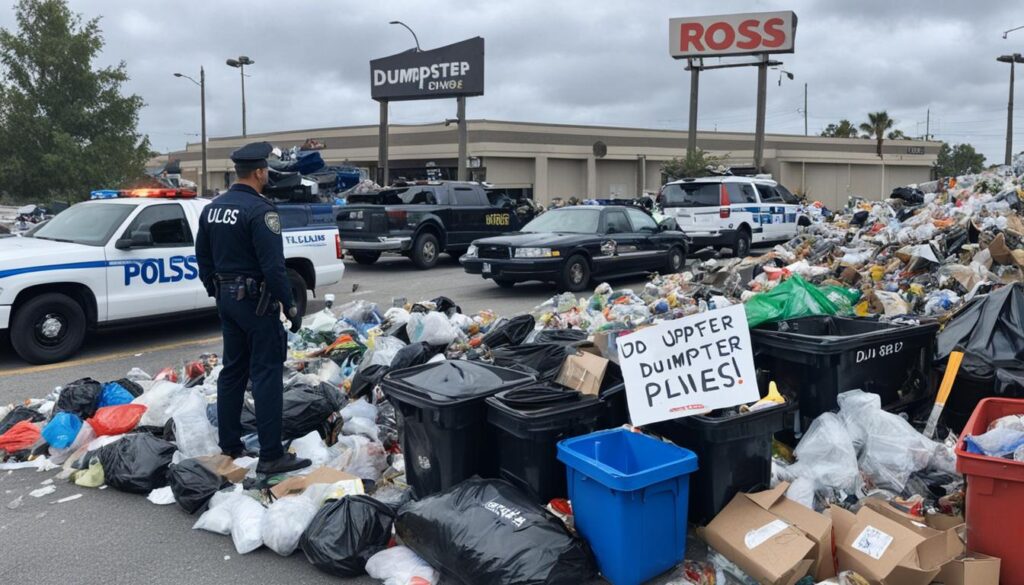
Dumpster Diving At Ross offers an interesting way to find discounted clothing and home goods while reducing textile waste. Many people wonder about the legal aspects and potential rewards of searching through Ross Stores’ discarded merchandise.
Before you consider diving into any dumpster behind a Ross location, you need to understand both the legal landscape and company policies. Ross Stores has specific rules about dumpster access, and local laws vary significantly across different states and municipalities.
TL;DR
- Ross Stores considers dumpster diving trespassing and may prosecute violators under local trespassing laws.
- Successful divers report finding clothing, shoes, and home goods worth $50-$200 per trip in areas where it’s legal.
- Peak diving times are typically after major sales events when stores clear out damaged or returned merchandise.
- Always check your local laws first – 12 states have specific restrictions on dumpster diving activities.
Dumpster Diving At Ross: Legal Reality Check
Ross Stores maintains a strict no-tolerance policy regarding dumpster diving on their property. The company treats any unauthorized access to their dumpsters as trespassing, regardless of whether items have been discarded.
This policy exists for several reasons beyond simple property protection. Ross Stores faces liability concerns if someone gets injured while diving, and they also worry about people making messes or damaging property while searching through waste containers.
State-by-State Legal Variations
Dumpster diving laws differ dramatically across the United States. While the practice isn’t federally illegal, individual states and municipalities create their own rules.
- Legal states – California, Texas, and Florida generally allow dumpster diving on public property
- Restricted states – New York requires property owner permission in most cases
- Prohibited areas – Any private property including store parking lots typically prohibits diving
- Local ordinances – Cities like Seattle and Portland have specific anti-scavenging laws
Even in states where diving is legal, private property rules still apply. Since Ross Stores operates on private property, their no-trespassing policy takes precedence over general dumpster diving laws.
What Ross Stores Actually Throw Away
Understanding Ross’s waste stream helps explain why some people risk diving despite the legal issues. The discount retailer handles returns and damaged merchandise through several channels.
Categories of Discarded Items
Ross typically discards items that fall into specific categories rather than throwing away random merchandise. Their waste management follows corporate policies designed to prevent resale of certain goods.
- Damaged clothing – Items with stains, tears, or missing tags that can’t be resold
- Returned cosmetics – Health regulations prevent resale of opened beauty products
- Broken home goods – Cracked dishes, damaged electronics, or incomplete sets
- Seasonal clearance – Holiday items that didn’t sell during their designated season
However, Ross also donates many unsellable items to local charities and shelters. This means dumpsters may contain less valuable merchandise than some people expect.
Safety First Approach
If you live somewhere diving is legal, always wear thick gloves and closed-toe shoes. Dumpsters contain sharp objects, broken glass, and potentially hazardous materials that can cause serious injuries.
Alternatives to Ross Dumpster Diving
Instead of risking legal trouble at Ross locations, consider these legitimate alternatives for finding discounted merchandise and reducing waste.
Legal Treasure Hunting Options
Many alternatives offer similar benefits without the legal risks or safety concerns of dumpster diving. These options often provide better quality items with less effort required.
- Ross clearance sections. Check endcaps and clearance racks for heavily marked-down items before they reach dumpsters.
- Thrift store partnerships. Many Ross locations donate items to local thrift shops where you can buy them legally.
- Yard sales and estate sales. Find similar deals on clothing and home goods through community sales.
- Online marketplaces. Facebook Marketplace and Craigslist offer discounted retail items from legitimate sellers.
These alternatives often yield better results than dumpster diving while keeping you within legal boundaries. Plus, you avoid the time spent searching through actual garbage to find usable items.
Some dumpster divers also explore other retailers with different policies. Dollar Tree locations and Big Lots stores have varying approaches to waste management that might offer different opportunities in areas where diving is legal.
Ross Waste Management Process
Ross Stores follows specific procedures for handling returned, damaged, or unsold merchandise. Understanding these processes helps explain what ends up in their dumpsters versus other disposal methods.
The company’s waste management begins with item assessment. Employees evaluate returned or damaged goods to determine whether items can be resold, donated, or must be discarded.
Corporate Disposal Procedures
Ross uses a tiered approach to merchandise disposal that prioritizes donation and recycling over landfill waste. This system reduces what actually reaches dumpsters behind stores.
- Resellable returns – Items in good condition return to sales floors with clearance pricing
- Donation candidates – Usable items with minor flaws go to partner charities and shelters
- Recycling programs – Textiles and certain materials get sent to recycling facilities when possible
- Final disposal – Only items unsafe for donation or recycling reach dumpsters
This process means dumpsters often contain the least valuable merchandise – items too damaged for donation or recycling. The best finds typically get redirected through other channels before reaching waste containers.
Economic Reality of Ross Diving
The potential earnings from Ross dumpster diving vary significantly based on location, timing, and local competition from other divers. Understanding realistic expectations helps people make informed decisions about time investment.
Most successful divers report inconsistent results rather than reliable income streams. Good finds depend on factors beyond individual control, including store policies, donation partnerships, and seasonal merchandise cycles.
Factors Affecting Success Rates
Several variables determine whether diving at Ross locations produces worthwhile results. These factors change frequently and impact the quality of discarded merchandise.
| Factor | Impact on Success |
|---|---|
| Store location | Higher-income areas may discard better quality items |
| Season timing | Post-holiday periods often yield more merchandise |
| Local competition | Multiple divers reduce available items for each person |
| Donation partnerships | Strong charity relationships mean less dumpster contents |
Even in ideal conditions, the legal risks often outweigh potential benefits. Trespassing charges, fines, or banned status from Ross properties can cost more than any found merchandise is worth.
People interested in similar treasure hunting might consider TJ Maxx locations or Kohl’s stores in areas where diving is legal, though most major retailers have similar trespassing policies.
Articles You May Like
Frequently Asked Questions
Is dumpster diving at Ross illegal?
Ross Stores considers dumpster diving trespassing on private property, which can result in prosecution regardless of local dumpster diving laws.
What items does Ross typically throw away?
Ross discards damaged clothing, opened cosmetics, broken home goods, and seasonal items that can’t be donated or recycled safely.
When is the best time to find items in Ross dumpsters?
Post-holiday periods and after major sales events typically see increased disposal activity, but legal risks remain constant.
Can you get banned from Ross for dumpster diving?
Yes, Ross can issue trespassing warnings that prohibit you from entering any of their properties in the future.
Are there legal alternatives to Ross dumpster diving?
Thrift stores, clearance sections, yard sales, and online marketplaces offer similar deals without legal risks or safety concerns.
Final Thoughts
Dumpster Diving At Ross presents significant legal risks that typically outweigh potential benefits, especially given the company’s strict anti-diving policies. Most locations consider any dumpster access as trespassing, regardless of local laws about waste collection.
Consider exploring legal alternatives like thrift stores, clearance sales, and community marketplaces that offer similar deals without the safety hazards or legal complications of diving through commercial waste containers.