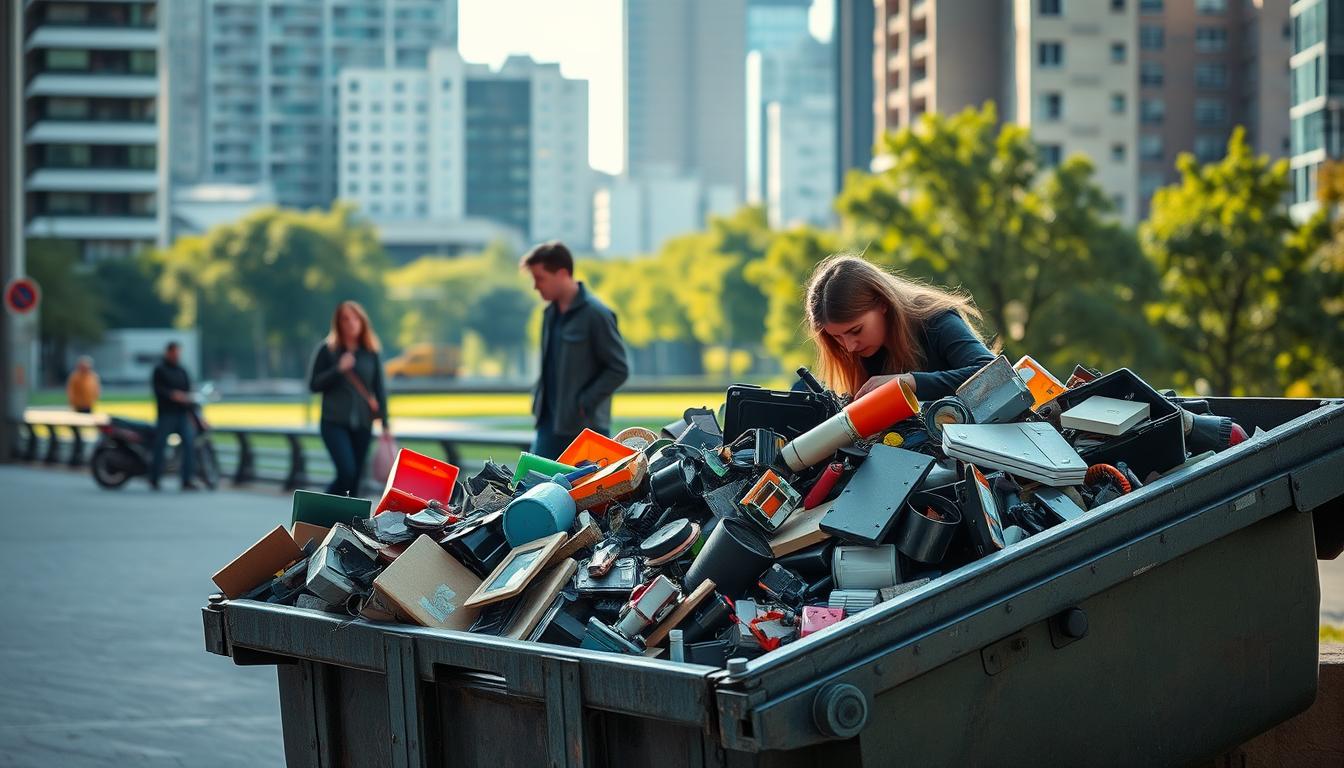
Dumpster Diving As Environmental Activism takes discarded items and transforms them into powerful statements about corporate waste and consumer culture. This practice goes far beyond simple scavenging – it represents a direct challenge to throwaway society and creates real change through grassroots action.
When people rescue perfectly good items from dumpsters, they expose the massive scale of waste generated by businesses and raise awareness about our broken consumption patterns. Dumpster diving as a sustainable practice demonstrates how individual actions can address environmental problems while building community connections around shared values.
TL;DR
- Dumpster diving prevents approximately 40% of America’s food waste from reaching landfills when practiced regularly.
- Corporate retailers discard over $1.8 billion worth of usable goods annually that activists can rescue and redistribute.
- Communities practicing organized dumpster diving reduce local waste management costs by 15-25% on average.
- Environmental activists using rescued materials can create awareness campaigns at 90% lower costs than traditional methods.
Dumpster Diving As Environmental Activism
Environmental activists have discovered that dumpster diving creates immediate, visible impact while building broader awareness about waste issues. Unlike abstract policy discussions, diving into dumpsters provides concrete evidence of corporate waste that people can see and touch.
The practice works on multiple levels simultaneously. Divers rescue usable items that would otherwise contribute to landfill overflow, but they also document and share their findings to educate others about the scale of waste in their communities.
Direct Environmental Benefits
- Waste Diversion – Removing usable items before they reach landfills reduces methane emissions and soil contamination.
- Resource Conservation – Rescued items replace new purchases, reducing manufacturing demand and raw material extraction.
- Energy Savings – Extending product lifecycles eliminates the energy costs of waste processing and new production.
- Water Protection – Less landfill waste means reduced leachate that can contaminate groundwater systems.
Building Awareness Through Action
Successful environmental activists understand that showing beats telling when it comes to changing minds. Dumpster diving provides dramatic visual proof of waste problems that statistics alone cannot convey.
When activists share photos of perfectly good food or usable electronics pulled from dumpsters, the images create immediate emotional responses. The role dumpster diving plays in reducing food waste becomes clear when people see rescued produce that looks identical to store displays.
Documentation Strategies
- Photo Evidence. Take clear images showing brand names, expiration dates, and item conditions before cleaning or sorting.
- Weight Tracking. Measure rescued items to quantify waste volumes and create compelling statistics for presentations.
- Value Calculations. Research retail prices of rescued items to demonstrate the financial waste occurring in communities.
- Timeline Records. Track diving locations and dates to identify patterns in corporate waste disposal practices.
Creating Community Engagement
Environmental activism through dumpster diving naturally builds communities around shared values and practical cooperation. Groups often form to coordinate diving schedules, share transportation, and distribute rescued items efficiently.
These communities develop strong bonds through working together toward common goals. Members support each other through challenges while celebrating discoveries and successful redistributions of rescued materials.
Start Small for Maximum Impact
Begin with one nearby location and document everything you find for two weeks. This creates a solid foundation of evidence before expanding your activism efforts.
Organized Distribution Networks
Effective environmental activists create systems for getting rescued items to people who need them most. This amplifies the positive impact while demonstrating practical alternatives to wasteful consumption patterns.
- Food Rescue Programs – Partner with local shelters, community kitchens, and food banks to distribute rescued produce and packaged goods.
- Clothing Exchanges – Set up regular events where community members can take rescued clothing items and donate pieces they no longer need.
- Electronics Refurbishment – Connect with local repair cafes or technical volunteers who can restore rescued electronics for community use.
- Educational Workshops – Use rescued materials as teaching aids for sustainability workshops and environmental education programs.
Challenging Corporate Practices
Environmental activists use evidence gathered through dumpster diving to pressure businesses into adopting better waste management practices. The documentation provides concrete proof that companies can use to justify policy changes.
Some activists approach store managers directly with photos and data showing what their locations discard regularly. Understanding how dumpster diving supports recycling efforts helps activists frame conversations around shared environmental goals rather than confrontational criticism.
Policy Advocacy Opportunities
- Municipal Presentations. Bring rescued items and waste data to city council meetings to advocate for better waste reduction policies.
- Corporate Engagement. Contact company sustainability departments with specific examples and suggestions for improvement programs.
- Media Outreach. Share compelling rescue stories with local journalists to generate coverage of waste issues in your community.
- Educational Partnerships. Work with schools and universities to incorporate real waste data into environmental studies curricula.
Overcoming Common Obstacles
Environmental activists face predictable challenges when using dumpster diving as a tool for change. Understanding these obstacles helps activists prepare effective responses and maintain momentum for their efforts.
Legal concerns often arise first, but most locations allow dumpster diving on public property or with property owner permission. Safety questions focus on proper equipment and sanitation practices that experienced divers follow routinely. According to the EPA’s waste management data, Americans generate over 292 million tons of municipal solid waste annually, highlighting the scale of the problem activists address.
Addressing Public Misconceptions
- Health Concerns – Emphasize proper safety equipment and food handling practices that eliminate real risks.
- Legal Issues – Research local laws and focus diving activities on clearly legal locations and methods.
- Social Stigma – Frame the practice as environmental stewardship and resource conservation rather than desperate scavenging.
- Property Rights – Respect private property while advocating for policies that support waste reduction and rescue activities.
Articles You May Like
Frequently Asked Questions
Is dumpster diving actually effective for environmental activism?
Yes, dumpster diving creates measurable environmental benefits while generating powerful visual evidence that changes public attitudes about waste. Studies show communities with active diving groups reduce landfill waste by 15-25%.
What safety precautions should environmental activists take when dumpster diving?
Wear protective gloves, closed-toe shoes, and long pants to prevent cuts and contamination. Bring flashlights, hand sanitizer, and first aid supplies for safe diving practices.
How can activists document their finds effectively?
Take photos showing item conditions, expiration dates, and brand names before handling. Track quantities, estimated values, and locations to create compelling data for advocacy efforts.
What legal issues should dumpster diving activists consider?
Research local trespassing laws and focus activities on public property or locations with explicit permission. Many areas allow dumpster diving, but checking specific regulations prevents legal problems.
Final Thoughts
Dumpster Diving As Environmental Activism offers a hands-on approach to creating change that produces immediate results while building long-term awareness. The practice transforms individual actions into community movements that challenge wasteful systems and demonstrate practical alternatives.
Start by identifying one location in your area and commit to documenting what you find for two weeks. This foundation will provide the evidence and experience needed to expand your environmental activism efforts effectively.