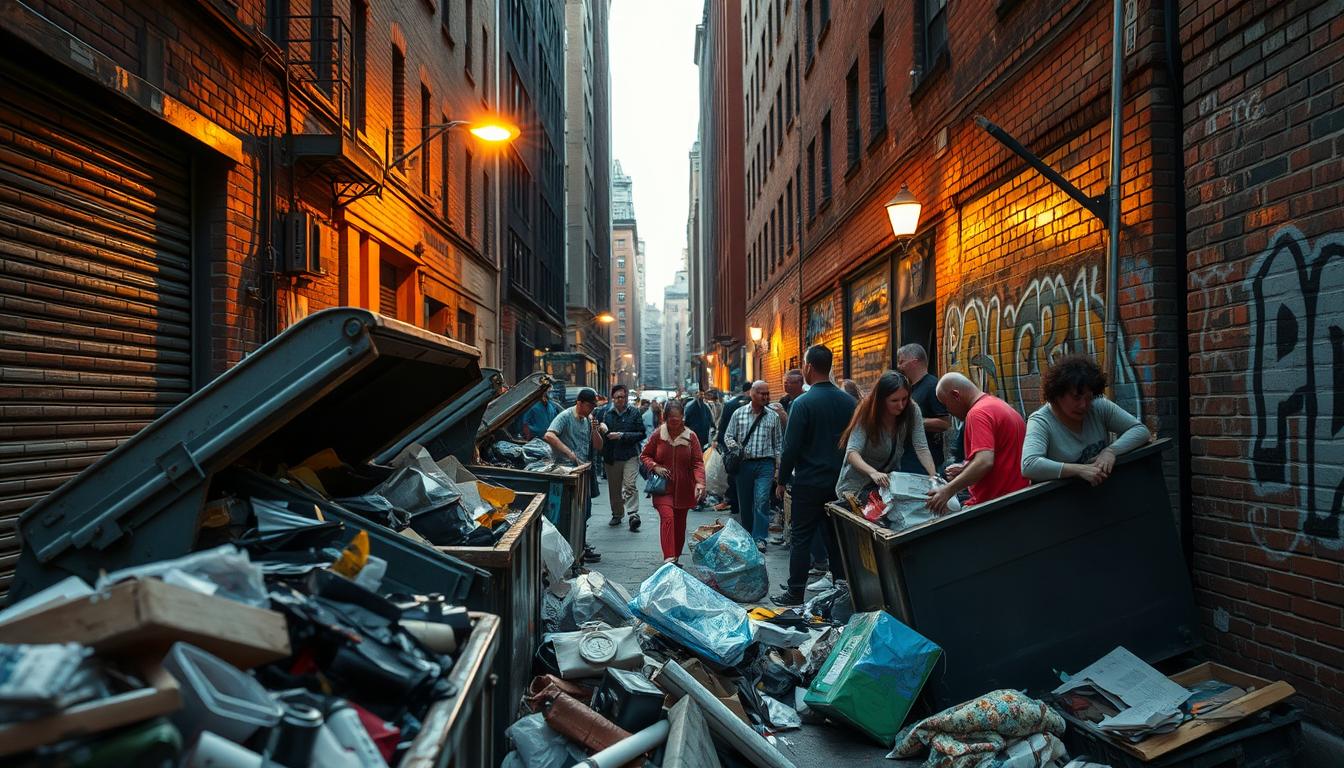
Best Cities For Dumpster Diving offer incredible opportunities for those seeking to reduce waste while discovering valuable discarded items. These urban treasure hunting destinations provide the perfect combination of high turnover rates, affluent populations, and eco-conscious communities that make diving both profitable and environmentally beneficial.
From tech-heavy cities overflowing with electronic waste to college towns with seasonal furniture dumps, certain locations stand out as prime destinations for urban foragers. Understanding what makes these cities special helps you plan successful diving expeditions while contributing to waste reduction efforts.
TL;DR
- Portland, Oregon leads with 40% recycling rates creating abundant reusable discards in eco-conscious neighborhoods.
- College towns see massive turnover during May move-out periods with furniture and electronics filling dumpsters.
- San Francisco’s tech industry discards $2.6 billion worth of functional electronics annually through corporate upgrades.
- Best diving times are early morning (5-7 AM) when businesses dispose of overnight inventory but before pickup trucks arrive.
Best Cities For Dumpster Diving in America
The top dumpster diving cities share common characteristics that create ideal conditions for finding valuable items. High population density, frequent business turnover, and strong consumer cultures generate massive amounts of discarded goods daily.
These cities also tend to have relaxed enforcement policies and communities that understand the environmental benefits of waste reduction. Getting started with dumpster diving becomes much easier when you choose locations with supportive local attitudes.
Portland, Oregon – The Sustainability Capital
Portland’s commitment to environmental consciousness makes it a dumpster diving paradise. The city’s “Reduce, Reuse, Recycle” culture means residents actively dispose of items they believe others can use rather than simply throwing everything away.
The city’s numerous food co-ops, vintage stores, and eco-friendly businesses create steady streams of organic produce, clothing, and household items. Many businesses actually set aside reusable items in designated areas, making diving more accessible and socially acceptable.
Prime Portland Locations
- Alberta Arts District – Creative businesses discard art supplies, furniture, and unique decor items.
- Reed College area – Student housing creates seasonal dumps of electronics, textbooks, and furniture.
- Pearl District – Upscale residents dispose of high-end home goods and designer items.
- Food co-op dumpsters – Organic produce past sell-by dates but still fresh and edible.
Austin, Texas – Keeping It Weird and Waste-Free
Austin’s “Keep Austin Weird” mentality extends to its diving scene, where finding unusual and valuable items is part of the city’s quirky culture. The combination of tech workers, university students, and creative professionals creates diverse disposal patterns throughout different neighborhoods.
The city’s rapid growth means constant apartment turnover, especially in areas near the University of Texas campus. End-of-semester periods produce massive amounts of furniture, electronics, and textbooks that students abandon when moving.
Austin Hotspots
- West Campus – Student apartments generate electronics, mini-fridges, and study materials.
- Downtown tech district – Corporate offices discard computers, monitors, and office furniture.
- South Austin neighborhoods – Creative communities dispose of art supplies, vintage clothing, and musical equipment.
- Food truck clusters – Restaurant supplies, commercial appliances, and packaging materials.
San Francisco – The Tech Waste Goldmine
San Francisco’s position as a global tech hub creates unprecedented opportunities for electronics diving. Companies constantly upgrade equipment, disposing of functional computers, phones, and accessories that still have significant value.
The city’s high cost of living also means residents frequently move, creating regular furniture and household goods disposal cycles. Choosing the right dumpsters becomes crucial in San Francisco due to the sheer volume of options available.
Pro Tip for Tech Diving
Visit corporate districts on Thursday evenings when IT departments dispose of weekly equipment refreshes. Many items just need minor repairs or software updates to become fully functional.
College Towns – Seasonal Treasure Troves
University towns across America experience predictable diving seasons that create incredible opportunities. May move-out periods generate the most valuable finds as students abandon everything they can’t transport home for summer break.
These communities also have year-round turnover from graduate students, faculty relocations, and semester-abroad programs. The academic calendar creates reliable patterns that experienced divers learn to follow.
Top College Diving Destinations
- Berkeley, California – UC campus area with high-end student housing.
- Cambridge, Massachusetts – Harvard and MIT students dispose of expensive electronics and textbooks.
- Ann Arbor, Michigan – University of Michigan creates massive end-of-year disposal events.
- Chapel Hill, North Carolina – UNC students generate furniture, appliances, and study materials.
Urban Commercial Districts
Major metropolitan areas with dense commercial districts offer consistent diving opportunities throughout the year. Retail stores, restaurants, and office buildings generate steady streams of usable items that don’t meet retail standards but remain perfectly functional.
These areas require more attention to safety protocols due to higher security presence and busier streets. However, the volume and quality of finds often justify the extra precautions needed.
Commercial District Strategies
- Scout during business hours. Observe disposal patterns and security routines without diving.
- Target specific industries. Electronics stores, furniture retailers, and restaurants each have predictable disposal schedules.
- Build relationships. Friendly interactions with employees can lead to tips about upcoming disposal events.
- Time your visits. Late evening after business closures but before morning pickup provides optimal access.
What Makes Cities Great for Diving
Successful diving cities share several key characteristics that create ideal conditions for finding valuable items. Understanding these factors helps you identify promising locations and plan effective diving strategies.
Population density drives disposal volume, while economic prosperity determines item quality. Cities with active recycling programs often have more conscious disposal practices, making diving both easier and more productive.
Key Urban Factors
- High turnover rates – Frequent moving and business changes create consistent disposal streams.
- Diverse demographics – Mixed populations generate varied item types and disposal patterns.
- Strong retail presence – Shopping districts and commercial areas provide regular inventory disposal.
- University populations – Student communities create predictable seasonal opportunities.
- Tech industry presence – Electronics disposal from constant corporate upgrades.
Legal Considerations and City Regulations
Diving legality varies significantly between cities, making research essential before exploring new locations. Some municipalities explicitly allow trash collection from public areas, while others strictly prohibit any dumpster access.
Understanding local trespassing laws helps you stay within legal boundaries while maximizing your diving success. Safety considerations extend beyond physical risks to include legal protection strategies.
Legal Status by City Type
- Liberal coastal cities – Generally more permissive with environmental waste reduction focus.
- College towns – Often tolerant due to student diving traditions and community acceptance.
- Conservative suburban areas – Stricter enforcement with emphasis on property rights and trespassing.
- Industrial cities – Variable enforcement depending on economic conditions and local priorities.
Seasonal Diving Opportunities
Different cities offer peak diving seasons based on local industries, academic calendars, and cultural events. Planning your diving activities around these cycles dramatically improves your success rates and find quality.
Spring cleaning seasons, holiday aftermath periods, and back-to-school transitions create predictable disposal patterns that experienced divers learn to anticipate and exploit effectively.
Articles You May Like
Frequently Asked Questions
Which cities have the most valuable dumpster diving finds?
San Francisco leads for electronics, while Portland excels for eco-friendly goods and Austin offers the most diverse item variety.
When is the best time to dive in college towns?
May move-out periods produce the highest value finds, with December graduation and August move-in creating secondary opportunities.
Are there legal risks to diving in major cities?
Legal risks vary by location, but most cities focus on trespassing rather than diving itself – always research local ordinances first.
What makes Portland ideal for sustainable diving?
Portland’s environmental culture means residents actively set aside reusable items and businesses often designate diving-friendly disposal areas.
How do I find the best commercial diving locations?
Scout during business hours to observe disposal patterns, target specific industries, and visit during optimal timing windows between closure and pickup.
Final Thoughts
Best Cities For Dumpster Diving offer incredible opportunities for those committed to waste reduction while discovering valuable items. These urban treasure hunting destinations provide consistent access to electronics, furniture, and household goods that would otherwise fill landfills.
Start with one city that matches your interests and build experience before expanding to new locations. The diving community in these cities often welcomes newcomers who approach the activity with respect for both property and environmental goals.