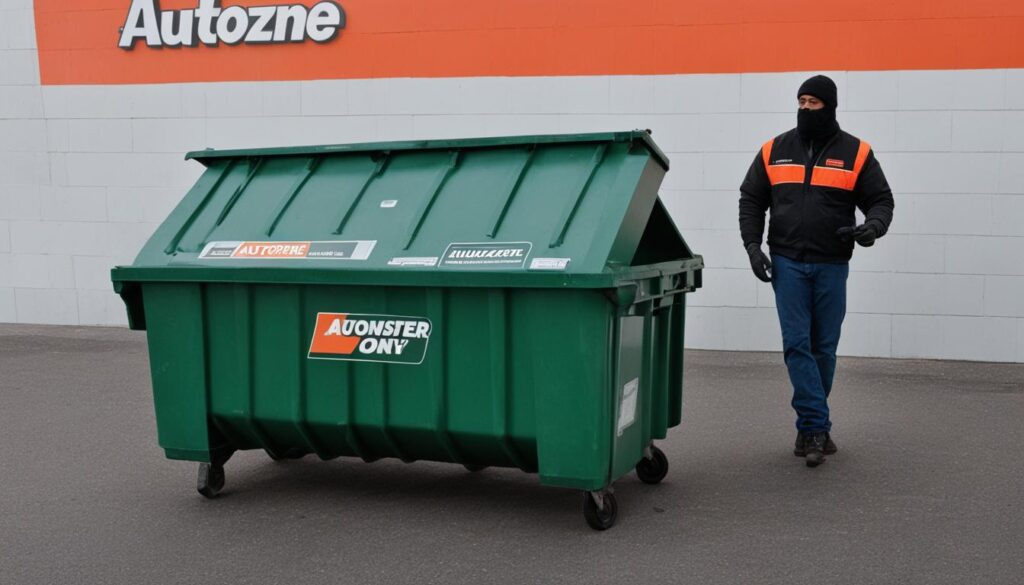
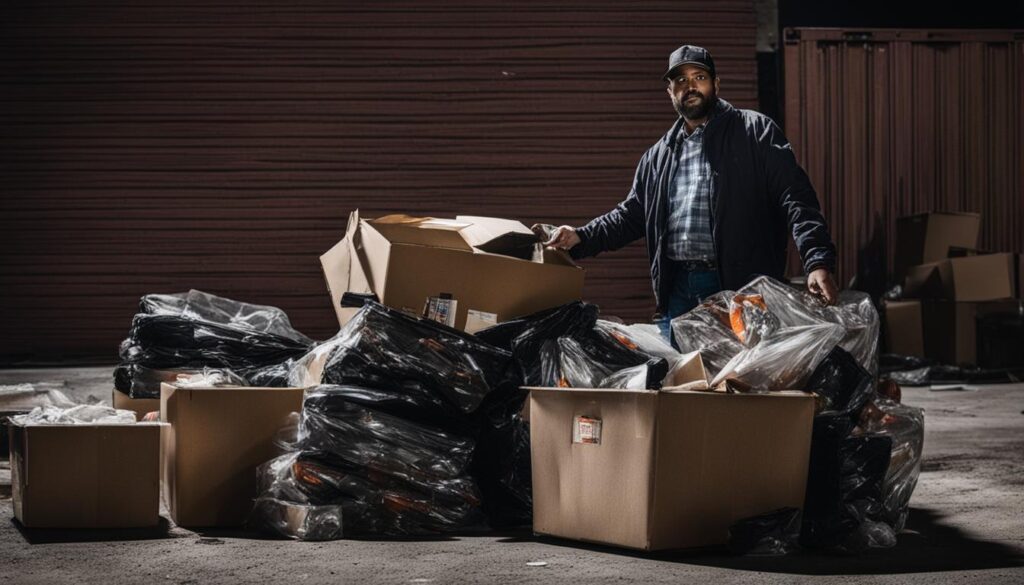
Dumpster Diving At AutoZone is a topic that raises questions about legality, safety, and potential earnings. Many people wonder if they can legally search through AutoZone’s waste containers for discarded auto parts and supplies.
The practice sits in a legal gray area where federal law doesn’t explicitly prohibit it, but local regulations and store policies create important boundaries. Understanding these rules helps you stay within legal limits while exploring this unconventional way to find automotive supplies.
TL;DR
- Dumpster diving at AutoZone averages $20 worth of merchandise per dumpster visit.
- Evening hours after store closure offer the best selection of discarded items.
- Most AutoZone locations consider dumpster access as trespassing on private property.
- Safety gear including gloves and flashlights prevents injury from sharp objects and hazardous materials.
Dumpster Diving At AutoZone Legal Guidelines
Federal law doesn’t ban dumpster diving, but AutoZone stores operate on private property with their own access rules. Most locations prohibit unauthorized entry to their waste containers, treating it as trespassing.
Local ordinances vary widely across different cities and states. Some areas allow dumpster diving on public property, while others ban it entirely regardless of location.
Property Rights and Permissions
AutoZone owns the dumpsters and the property they sit on, giving them full authority to deny access. Store managers can call law enforcement if they find unauthorized individuals searching through their waste.
Asking permission from store management provides the safest legal approach. Some managers may allow access during specific hours or under certain conditions.
Potential Legal Consequences
Violations can result in several penalties depending on local laws and circumstances:
- Trespassing charges – misdemeanor offense with fines up to $500
- Property ban – permanent exclusion from specific store locations
- Criminal record – documented offense that appears in background checks
What Items You Can Find
AutoZone dumpsters contain various automotive-related merchandise that stores can no longer sell. The selection depends on seasonal returns, damaged packaging, and inventory clearances.
Common Automotive Parts
Discarded items often include functional components with minor cosmetic damage:
- Brake components – pads, rotors, and calipers with packaging issues
- Engine parts – filters, belts, and gaskets past shelf dates
- Electrical items – fuses, bulbs, and wiring harnesses
- Fluids and chemicals – oil, coolant, and cleaning products
Tools and Equipment
Hand tools and automotive equipment appear regularly in AutoZone waste containers. These items often have minor defects that don’t affect functionality.
Power tools, diagnostic equipment, and specialty automotive tools represent higher-value finds. Similar opportunities exist at other retail locations that sell tools and hardware supplies.
Safety First
Always wear thick gloves and closed-toe shoes when handling discarded automotive parts. Sharp metal edges and chemical residues pose serious injury risks.
AutoZone’s Waste Management Process
Understanding how AutoZone handles merchandise disposal helps predict what items you might find. The company follows standard retail practices for managing unsellable inventory.
Daily Disposal Schedule
Most AutoZone locations empty their dumpsters in the evening after closing time. Staff members discard returned items, damaged packaging, and expired products during end-of-day procedures.
Seasonal clearances and inventory changes create larger disposal volumes. Back-to-school periods and winter preparation seasons generate more discarded merchandise.
Item Condition Assessment
AutoZone employees inspect returned products before disposal. Items in sellable condition return to shelves, while damaged or expired products go to waste containers.
The assessment process means many discarded items remain functional despite packaging damage or minor cosmetic issues. This creates opportunities for people seeking usable automotive supplies.
Earning Potential and Market Value
Dumpster diving at AutoZone can generate modest income through reselling discarded items. Success depends on finding valuable merchandise and having effective sales channels.
Average Monthly Earnings
Regular divers report finding approximately $20 worth of merchandise per successful dumpster visit. Daily diving at one location could potentially yield $600 monthly, though results vary significantly.
Earnings depend on several factors including location, timing, and local competition from other divers. Urban areas typically offer more frequent disposal but increased competition.
Resale Opportunities
Online marketplaces provide the best venues for selling recovered automotive parts:
- eBay auctions. Reach nationwide buyers seeking specific parts at discount prices.
- Facebook Marketplace. Connect with local customers who prefer in-person transactions.
- Auto parts forums. Target enthusiasts looking for hard-to-find components.
- Flea markets. Sell multiple items in bulk to bargain hunters.
Optimal Timing and Strategy
Successful dumpster diving requires strategic timing and location selection. AutoZone’s operational patterns create predictable disposal schedules.
Best Diving Times
Evening hours between 7 PM and 10 PM offer the freshest selection of discarded items. Most AutoZone locations close by 9 PM and complete disposal procedures within an hour.
Weekends often produce larger volumes due to increased customer returns and inventory adjustments. Monday mornings sometimes contain items from weekend clearance activities.
Location Selection
High-traffic AutoZone stores generate more disposal volume but attract more competition. Suburban locations may offer better access and fewer legal restrictions.
Stores near automotive service centers and repair shops typically discard more professional-grade tools and parts. Major retail chains follow similar disposal patterns that create predictable opportunities.
Safety Considerations
AutoZone dumpsters contain various hazardous materials that require careful handling. Automotive fluids, sharp metal parts, and chemical residues pose health risks.
Essential Safety Equipment
Proper protective gear prevents most common injuries during dumpster diving:
- Heavy-duty gloves – protect against cuts from sharp metal edges
- Safety glasses – shield eyes from chemical splashes and debris
- Work boots – prevent puncture wounds from nails and screws
- Flashlight – illuminate dark areas and identify hazards
Chemical Hazards
Automotive fluids including motor oil, brake fluid, and coolant can cause skin irritation and respiratory problems. Never handle leaking containers without proper protection.
Battery acid and cleaning chemicals require immediate washing if contact occurs. Keep clean water and soap readily available during diving sessions, and consult OSHA safety guidelines for handling hazardous automotive chemicals.
Articles You May Like
Frequently Asked Questions
Is dumpster diving at AutoZone illegal?
Dumpster diving at AutoZone is generally considered trespassing since their dumpsters sit on private property, even though the act itself isn’t federally illegal.
What’s the best time to dumpster dive at AutoZone?
Evening hours after store closure, typically between 7-10 PM, offer the best selection when staff have completed their daily disposal procedures.
How much money can you make dumpster diving at AutoZone?
Regular divers report finding about $20 worth of merchandise per successful visit, potentially earning up to $600 monthly with daily diving.
What safety gear do I need for AutoZone dumpster diving?
Essential safety equipment includes heavy-duty gloves, safety glasses, work boots, and a flashlight to protect against sharp objects and chemical hazards.
Final Thoughts
Dumpster Diving At AutoZone requires careful consideration of legal boundaries and safety risks. While the practice can yield valuable automotive supplies and modest income, most locations treat dumpster access as trespassing.
Research your local laws thoroughly and consider asking permission from store management before attempting any diving activities.