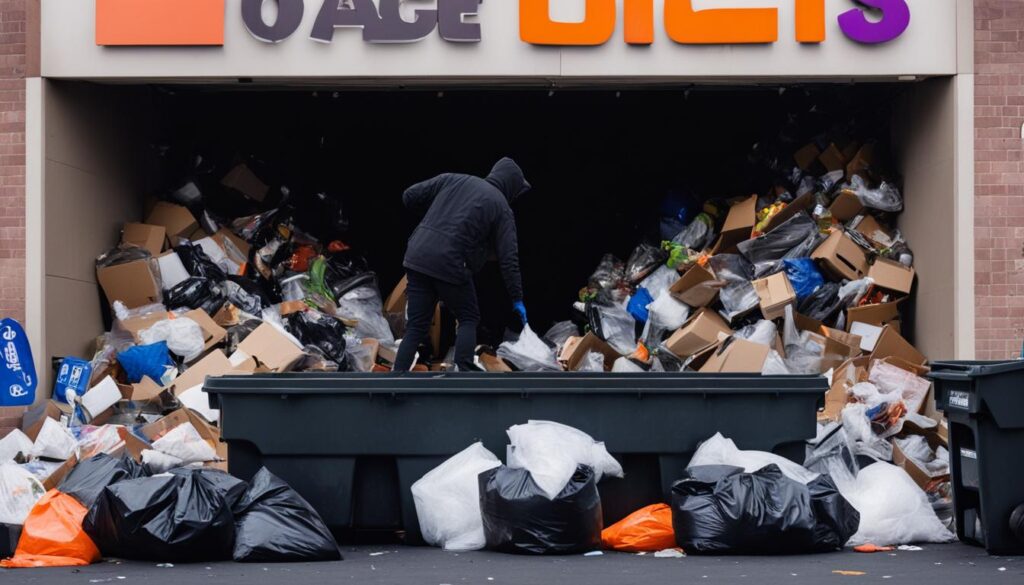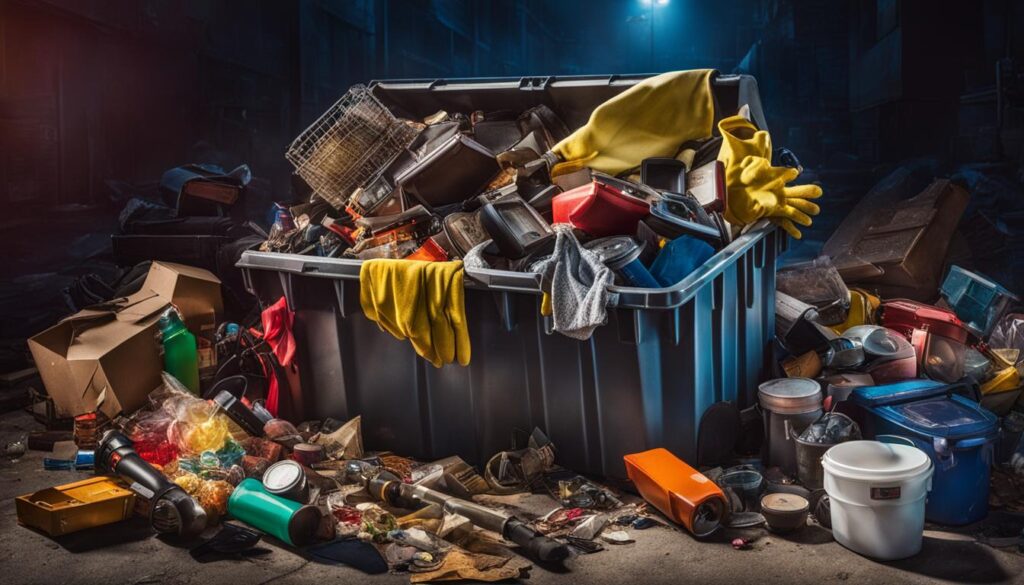
Dumpster Diving At Big Lots offers an opportunity to find discarded items that might still have value. Many people wonder whether this practice is legal and what they might discover behind these discount stores.
Big Lots throws away merchandise regularly due to damage, seasonal changes, or inventory clearances. Understanding the rules and risks can help you decide if this activity is worth your time.
TL;DR
- Dumpster diving is legal in most US states, but local ordinances and store policies may restrict it.
- Big Lots typically discards items after store hours, making early morning or late evening the best times to search.
- Common finds include seasonal decorations, slightly damaged home goods, and discontinued merchandise worth $5-50.
- Always wear gloves and sturdy shoes since dumpsters can contain sharp objects and hazardous materials.
Dumpster Diving At Big Lots: Legal Rules
The legality of dumpster diving varies by location and specific circumstances. In most US states, once trash reaches a public dumpster, it becomes public property under the “abandoned property” legal principle established by California v. Greenwood.
However, similar to Walmart’s policies, Big Lots may prohibit dumpster diving on their property. Violating these policies could result in trespassing charges even if the diving itself is legal.
State and Local Restrictions
Some cities have specific ordinances that ban dumpster diving entirely. Always research your local laws before attempting to dive at any location.
- California – Generally legal with property owner permission
- Texas – Legal in most areas but check city ordinances
- New York – Many cities prohibit dumpster diving
- Florida – Legal unless posted signs forbid it
Big Lots Store Policies
Big Lots doesn’t publicly share their dumpster diving policy, but most retail chains discourage the practice. Store employees cannot physically stop you from diving, but they can ask you to leave the property.
The company likely prohibits dumpster diving due to liability concerns and potential safety issues. Respecting their property and following any posted signs helps maintain good relationships with store management.
What Store Employees Can Do
Big Lots employees have limited authority regarding dumpster diving. They can request that you leave the premises and call law enforcement if you refuse.
However, they cannot physically detain you or confiscate items you’ve already collected. Being polite and cooperative if approached by staff usually resolves situations peacefully.
Best Times for Big Lots Dumpster Diving
Timing your dumpster diving trips increases your chances of finding valuable items. Big Lots typically restocks and clears damaged merchandise during regular business hours.
The best times are usually early morning (6-8 AM) or late evening after store closing. Weekend mornings often yield better results since stores process more returns and damaged goods during busy periods.
- Check store hours. Visit when the store is closed to avoid conflicts with employees and customers.
- Monitor seasonal changes. Holiday items get thrown away shortly after seasons end.
- Visit regularly. Consistent checking increases your odds of finding good items before others do.
- Avoid busy shopping days. Black Friday and major sales weekends generate more security attention.
Safety First
Always wear thick gloves, closed-toe shoes, and bring a flashlight when dumpster diving. These simple precautions protect you from cuts, punctures, and poor visibility hazards.
What You Can Find
Big Lots discards various types of merchandise that can still have significant value. Seasonal items, slightly damaged goods, and overstock merchandise make up most of the valuable finds.
Just like dumpster diving at Target, you’ll find a mix of household items, decorations, and consumer goods. The key is knowing what to look for and when to search.
Common Valuable Finds
- Holiday decorations – Christmas, Halloween, and seasonal items thrown away after holidays
- Furniture pieces – Slightly damaged chairs, shelves, and storage items
- Home goods – Kitchen appliances, bedding, and bathroom accessories
- Electronics – Small appliances, phone accessories, and gadgets with minor defects
- Toys and games – Items with damaged packaging but intact contents
Items to Avoid
Some discarded items pose health risks or legal concerns. Never take expired food, damaged electronics with exposed wires, or items that appear contaminated.
Cosmetics, medications, and personal care items should also be avoided since you can’t verify their safety or expiration status.
Safety Considerations
Dumpster diving involves real safety risks that require proper preparation. Sharp objects, chemical spills, and unstable surfaces can cause serious injuries if you’re not careful.
Many dumpsters also attract rodents, insects, and other animals. Wearing protective gear and staying alert helps minimize these risks while diving.
Essential Safety Gear
- Thick work gloves – Protect hands from cuts and contamination
- Steel-toe boots – Shield feet from sharp objects and heavy items
- Headlamp or flashlight – Provide hands-free lighting for better visibility
- First aid kit – Handle minor cuts and scrapes immediately
Maximizing Your Finds
Successful dumpster diving requires strategy and persistence. Understanding Big Lots’ operational patterns helps you time your visits for maximum success.
Similar to Dollar General’s disposal schedule, Big Lots likely discards the most valuable items during specific times of the month and season.
Strategic Timing
Plan your visits around Big Lots’ likely disposal patterns. End-of-season clearances, inventory resets, and holiday transitions generate the most discarded merchandise.
- End of seasons. Late December, March, June, and September typically yield seasonal merchandise.
- Monthly inventory. First and last weeks of months often see damaged goods disposal.
- Store remodels. Major layout changes result in furniture and display item disposal.
Resale Potential
Many Big Lots dumpster diving finds have legitimate resale value on platforms like eBay, Facebook Marketplace, and local selling apps. Understanding which items sell well helps maximize your profit potential.
Home decor, seasonal items, and brand-name products typically command the best resale prices. Research completed listings before diving to know what’s worth collecting.
Best Items for Resale
- Holiday decorations – Christmas lights, Halloween props, and seasonal decor
- Brand-name housewares – Kitchen gadgets, storage containers, and organizational items
- Furniture accessories – Lamps, picture frames, and decorative pieces
- Craft supplies – Art materials, scrapbook items, and DIY project components
Articles You May Like
Frequently Asked Questions
Is dumpster diving at Big Lots illegal?
Dumpster diving is legal in most US locations, but Big Lots may have policies prohibiting it on their property. Check local ordinances and respect posted signs to avoid trespassing charges.
What is the best time to dumpster dive at Big Lots?
Early morning (6-8 AM) or late evening after store closing typically offer the best opportunities. Weekend mornings often yield more finds since stores process more damaged goods during busy periods.
Can Big Lots employees stop me from dumpster diving?
Employees cannot physically stop you but can ask you to leave their property and call law enforcement if you refuse. Being respectful and cooperative usually resolves any conflicts peacefully.
What valuable items can I find in Big Lots dumpsters?
Common finds include seasonal decorations, slightly damaged furniture, home goods, small electronics, and toys with damaged packaging but intact contents. Holiday items are often the most valuable discoveries.
What safety precautions should I take when dumpster diving?
Always wear thick work gloves, steel-toe boots, and bring a headlamp or flashlight. Carry a first aid kit and avoid items that appear contaminated or pose health risks.
Final Thoughts
Dumpster Diving At Big Lots can yield valuable finds if approached safely and legally. Understanding local laws, store policies, and timing your visits properly increases your success rate while minimizing risks.
Remember that persistence pays off in dumpster diving, but always prioritize safety and respect for property. Start with proper gear and research before making your first dive.