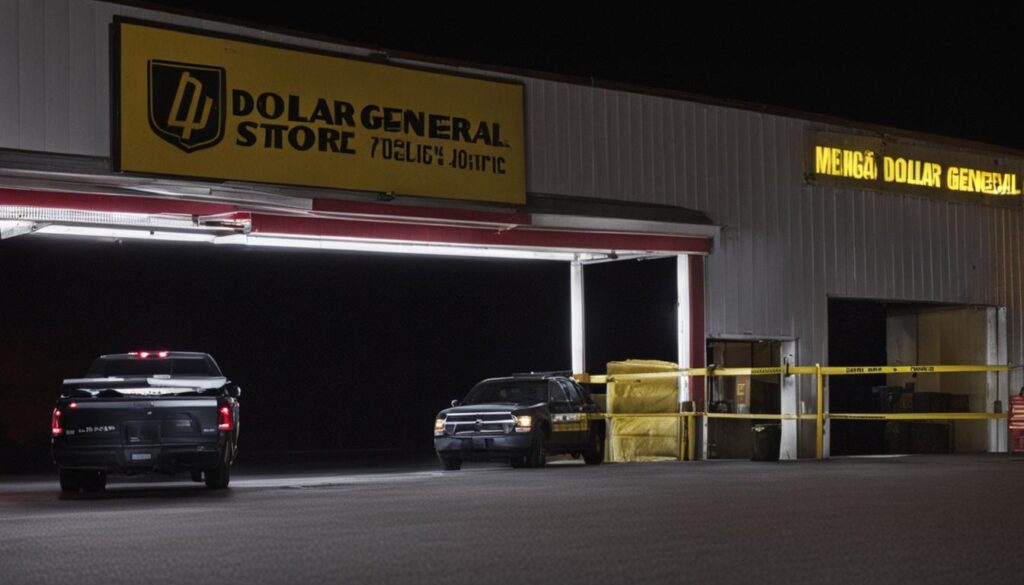
Dumpster Diving At Dollar General offers an intriguing opportunity for people looking to find useful items without spending money or generate some extra income. While the practice isn’t technically illegal in most places, Dollar General stores are private property with specific policies against this activity. Understanding the legal landscape and store regulations is essential before attempting to dive at any Dollar General location.
The potential rewards can be appealing – from discarded merchandise to returned items that still have value. However, success depends on timing, local laws, and respecting property boundaries while staying safe throughout the process.
TL;DR
- Dollar General operates over 15,000 stores nationwide, creating numerous potential diving locations.
- Best diving times are after 10 PM when stores close and on weekends when return volumes increase.
- Experienced divers report finding items worth $50-200 per successful dive session.
- Trespassing charges can result in fines ranging from $100-500 depending on local ordinances.
Dumpster Diving At Dollar General: Legal Framework
The legal status of dumpster diving at Dollar General exists in a gray area that varies by location. While discarded items generally lose legal protection once thrown away, accessing them on private property creates trespassing issues. Most Dollar General locations sit on private property, making unauthorized access potentially illegal regardless of what you’re seeking.
Local ordinances play a crucial role in determining legality. Some cities explicitly ban dumpster diving, while others allow it on public property but prohibit it on private land. Can You Dumpster Dive at Walmart? explores similar legal considerations at another major retailer.
Consequences of Getting Caught
Getting caught diving at Dollar General can result in several outcomes depending on store management and local law enforcement. Common consequences include:
- Verbal warning – Store employees may simply ask you to leave the property.
- Trespassing citation – Police may issue tickets with fines typically ranging from $100-500.
- Criminal charges – Repeated offenses or additional violations can lead to misdemeanor charges.
- Lifetime ban – Stores may prohibit future visits to any location in the chain.
Dollar General’s Corporate Policy
Dollar General maintains strict policies against dumpster diving for liability and safety reasons. The company faces potential lawsuits if someone gets injured while diving on their property, leading to zero-tolerance enforcement at many locations. Store managers receive training to prevent diving activities and may call law enforcement when discovering divers.
Safety concerns drive much of this policy stance. Dumpsters contain sharp objects, broken glass, and potentially hazardous materials that create injury risks. The company also worries about contaminated food products and damaged merchandise creating health hazards for unsuspecting divers.
Store-Level Variations
Individual store policies can vary despite corporate guidelines. Rural locations with relaxed management might overlook diving activities, while urban stores with theft problems often enforce policies strictly. Some managers focus more on preventing diving during business hours rather than completely stopping the practice.
Optimal Timing Strategies
Successful Dollar General diving requires strategic timing to maximize finds while minimizing detection risks. The best opportunities typically occur after closing hours when dumpsters receive fresh loads of discarded merchandise. Most stores close between 9-10 PM, making late evening the prime diving window.
Weekend periods offer increased potential due to higher customer traffic and return volumes. Friday and Saturday nights often produce the most discarded items as stores process weekly returns and clear damaged inventory. Monday mornings can also be productive as weekend accumulation gets discarded.
Peak Diving Hours
Target the 2-3 hour window after store closing when dumpsters are full but before morning pickup schedules. This timing minimizes staff presence while maximizing available items.
Seasonal Considerations
Certain times of year produce better diving results at Dollar General locations. Back-to-school season in August generates clothing and supply discards, while post-holiday periods in January yield decorations and gift returns. Spring cleaning months see increased household item disposal.
What You Might Find
Dollar General dumpsters can contain surprisingly valuable items that create profit opportunities. Common finds include returned merchandise, seasonal items, damaged packaging goods, and expired but usable products. The variety reflects the store’s diverse inventory covering household essentials to electronics.
Profitable items discovered by experienced divers include:
- Clothing and accessories – Returned items with tags still attached.
- Household goods – Kitchen items, cleaning supplies, and storage containers.
- Electronics – Phone chargers, headphones, and small gadgets.
- Seasonal merchandise – Holiday decorations and themed items.
- Health and beauty products – Cosmetics and personal care items.
Food Items and Safety
Dollar General dumpsters sometimes contain food products, but extreme caution is necessary. Never consume anything past expiration dates or with damaged packaging. Focus on shelf-stable items with intact containers rather than refrigerated or frozen goods that may have spoiled.
Can You Dumpster Dive at Kroger? offers additional guidance on food safety considerations when diving at retail locations.
Safety Precautions and Best Practices
Successful diving requires proper safety equipment and precautions to prevent injury and contamination. Essential gear includes heavy-duty gloves, closed-toe shoes, and a flashlight for visibility. Consider bringing hand sanitizer and basic first aid supplies for cuts or scrapes.
Never dive alone – having a partner provides safety backup and helps with lifting heavy items. Inform someone of your diving plans and expected return time. Avoid diving during severe weather conditions that create additional hazards.
- Inspect the area first. Look for security cameras, motion lights, or signs prohibiting access.
- Check for hazards. Identify sharp objects, broken glass, or unstable dumpster positions.
- Use proper technique. Avoid climbing inside dumpsters – use tools to reach items safely.
- Clean finds immediately. Sanitize items before transport to prevent contamination spread.
Profit Potential and Resale Markets
Dollar General diving can generate meaningful supplemental income when approached systematically. Successful divers report monthly earnings ranging from $100-800 depending on frequency, location, and market demand. The key lies in identifying valuable items and understanding resale channels.
Popular resale platforms for diving finds include Facebook Marketplace, eBay, and Poshmark for clothing items. Local flea markets and yard sales provide additional outlets for household goods and seasonal merchandise. Building relationships with regular buyers can create steady income streams.
Maximizing Profit
Focus on items with strong resale demand and good profit margins. Brand-name clothing, electronics accessories, and seasonal decorations typically offer the best returns. Research completed sales on resale platforms to understand current market values before diving expeditions.
Can You Dumpster Dive at Target? discusses similar profit strategies for retail diving operations.
Articles You May Like
Frequently Asked Questions
Is dumpster diving at Dollar General illegal?
Dumpster diving itself isn’t illegal, but accessing dumpsters on Dollar General’s private property constitutes trespassing in most jurisdictions. Local laws vary, so check your area’s specific ordinances.
What time should I go dumpster diving at Dollar General?
The best time is 2-3 hours after closing time (typically 11 PM to 1 AM) when dumpsters are full but staff has gone home. Weekend nights often yield the most items.
How much money can you make dumpster diving at Dollar General?
Experienced divers report earning $100-800 monthly depending on frequency and local market demand. Individual diving sessions might yield $50-200 in resalable items.
What items are commonly found in Dollar General dumpsters?
Common finds include returned clothing, household goods, electronics accessories, seasonal items, and health and beauty products. Items are often discarded due to damaged packaging rather than product defects.
Final Thoughts
Dumpster Diving At Dollar General can provide extra income opportunities for those willing to navigate the legal and safety challenges involved. Success requires understanding local laws, respecting property boundaries, and prioritizing personal safety above potential profits.
Start by researching your local ordinances and identifying stores with accessible dumpster locations. Build your diving skills gradually and always maintain respect for store policies and community standards.