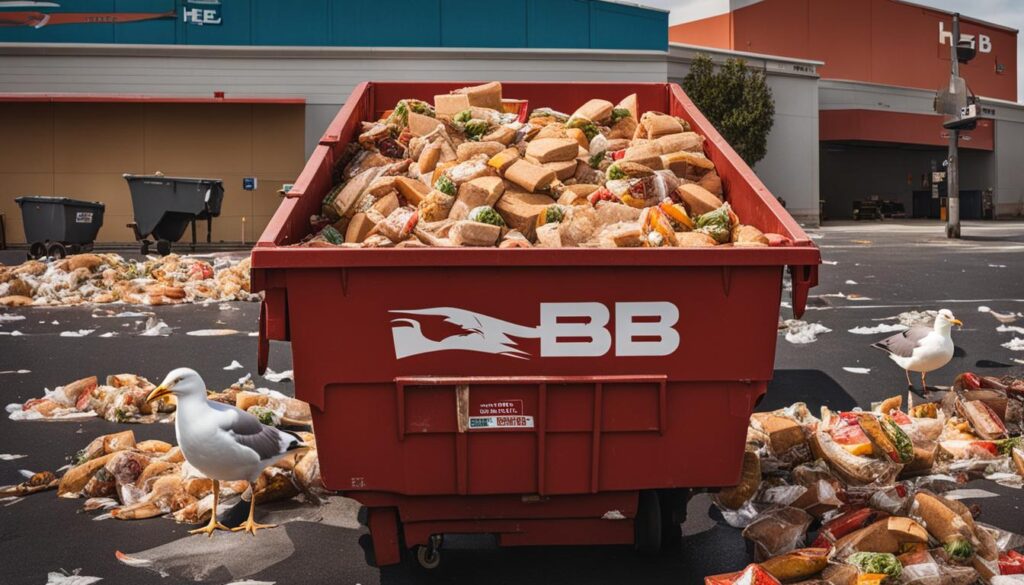
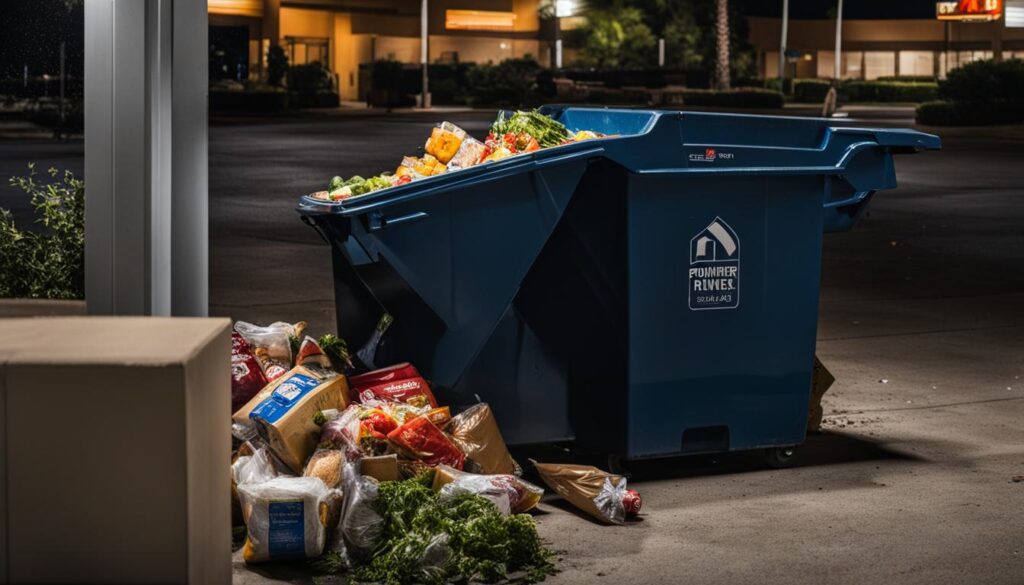
Dumpster Diving At H-E-B has become a topic of interest, especially after a notable incident in Austin, Texas during a winter storm. Many people wonder about the legality and safety of this practice at the popular grocery chain.
While dumpster diving itself isn’t illegal in most Texas locations, individual stores and local ordinances can restrict access to their dumpsters. H-E-B takes food safety seriously and has specific protocols for disposing of perishable items that can no longer be sold.
TL;DR
- H-E-B disposed of over 250 people’s worth of spoiled food during a 2021 Austin winter storm power outage.
- The grocery chain donates 34 million pounds of food annually to Texas food banks when items are still safe.
- Law enforcement warned against consuming the discarded food due to temperature control failures and spoilage.
- Most H-E-B locations have surveillance and trespassing policies that can result in legal consequences for divers.
Dumpster Diving At H-E-B: What You Need to Know
The practice of searching through H-E-B dumpsters gained widespread attention during a 2021 winter storm in Austin. When power outages hit the William Cannon location, the store had to dispose of perishable foods that could no longer maintain safe temperatures.
H-E-B follows strict food safety protocols that require disposal of items when refrigeration systems fail. Unlike some retailers that might donate questionable items, the company prioritizes customer safety over potential waste reduction in these emergency situations.
Legal Considerations and Store Policies
Most H-E-B locations consider dumpster diving a form of trespassing since their waste containers sit on private property. Store managers typically post “No Trespassing” signs near dumpster areas and work with local law enforcement to discourage the practice.
Texas state law doesn’t specifically prohibit dumpster diving, but individual cities and counties can create ordinances that restrict it. Many H-E-B locations also have security cameras monitoring their dumpster areas, which can lead to identification and potential legal action against divers.
Common Legal Risks
- Trespassing charges – Most H-E-B properties are private, making unauthorized access illegal.
- Theft accusations – Some jurisdictions consider taking discarded items as theft until trash collection occurs.
- Health code violations – Local health departments may cite individuals for unsafe food handling practices.
- Disturbing the peace – Large groups of divers can face disorderly conduct charges.
Health and Safety Risks
The Austin incident highlighted serious health dangers associated with consuming food from H-E-B dumpsters. Constable George Morales and store officials warned that the discarded food was spoiled and unsafe for human consumption.
When refrigeration systems fail, perishable items can quickly develop harmful bacteria. H-E-B’s disposal protocols exist specifically to prevent foodborne illnesses that could result from consuming temperature-compromised products.
Specific Health Hazards
- Bacterial contamination. Spoiled meat and dairy products harbor dangerous pathogens like Salmonella and E. coli.
- Chemical exposure. Cleaning products and pesticides can contaminate food items in dumpsters.
- Physical injuries. Sharp objects, broken glass, and unstable surfaces create accident risks.
- Cross-contamination. Non-food waste mixed with discarded food increases contamination chances.
H-E-B’s Food Waste Prevention Efforts
Rather than allowing potentially unsafe food to reach dumpster divers, H-E-B maintains partnerships with Texas food banks. The company donates over 34 million pounds of food annually to organizations that can properly handle and distribute safe items to those in need.
The grocery chain also implements inventory management systems designed to minimize waste. Items approaching expiration dates get marked down significantly, and produce that’s still good but cosmetically imperfect often goes to discount sections before disposal becomes necessary.
Better Alternatives to Dumpster Diving
Check H-E-B’s clearance sections for marked-down items, or visit local food banks that receive the store’s safe donations. Many locations also offer digital coupons through their app that can significantly reduce grocery costs.
The Austin Winter Storm Incident
During February 2021, a severe winter storm caused widespread power outages across Texas. The H-E-B location on William Cannon in Austin lost refrigeration for an extended period, forcing management to dispose of perishable inventory that could no longer be kept at safe temperatures.
Word spread on social media about “free food” in the store’s dumpsters, attracting over 250 people who gathered to search through the discarded items. The chaotic scene required law enforcement intervention and highlighted both food insecurity issues and the dangers of consuming compromised food products.
Lessons from the Incident
The event demonstrated how emergency situations can create desperate circumstances that lead people to take health risks. It also showed H-E-B’s commitment to food safety standards even during crisis situations, as the company refused to compromise on disposal protocols despite community pressure.
Local authorities used the incident as an educational opportunity, explaining why consuming food from dumpsters poses serious health risks. The warnings proved necessary, as some individuals who consumed the discarded items later reported stomach illnesses.
What H-E-B Does with Unsold Food
H-E-B has established procedures for handling products that can no longer be sold but remain safe for consumption. The company works with local food banks and charitable organizations to redirect these items to people who need them most.
Items that don’t meet safety standards for donation get disposed of through proper waste management channels. This includes products that have been temperature-compromised, damaged packaging that could allow contamination, or items past their safety expiration dates rather than just quality dates.
Food Bank Partnership Program
- Daily donations – Most H-E-B locations coordinate daily pickups with local food banks.
- Temperature-controlled transport – Perishable donations maintain cold chain requirements during transfer.
- Quality screening – Items undergo safety checks before donation approval.
- Documentation – All donations get tracked for food safety and tax purposes.
Alternative Ways to Save Money on Groceries
Instead of risking legal trouble and health problems through dumpster diving, consider legitimate ways to reduce grocery expenses at H-E-B. The store offers numerous programs designed to help customers save money on quality food products.
Similar to how some people explore Can You Dumpster Dive at Walmart or research Can You Dumpster Dive at Kroger, many shoppers look for ways to stretch their food budget through other major retailers as well.
Money-Saving Strategies
- Digital coupons. The H-E-B app offers exclusive discounts and personalized deals.
- Combo Locos. Weekly promotional deals that bundle related items at significant savings.
- Meal Deal Mondays. Complete dinner solutions priced for families on tight budgets.
- Manager’s specials. Clearance items marked down 50% or more before expiration.
Articles You May Like
Frequently Asked Questions
Is dumpster diving at H-E-B illegal in Texas?
While Texas doesn’t specifically prohibit dumpster diving, most H-E-B locations consider it trespassing since dumpsters sit on private property. Individual cities may also have ordinances restricting the practice.
Why doesn’t H-E-B donate all unsold food instead of throwing it away?
H-E-B donates over 34 million pounds of food annually to food banks, but items that have been temperature-compromised or spoiled cannot be safely donated and must be disposed of to prevent foodborne illness.
What happened during the Austin H-E-B dumpster diving incident?
During a 2021 winter storm, power outages forced an Austin H-E-B to dispose of perishable food. Over 250 people gathered to search the dumpsters after social media posts, but authorities warned the food was spoiled and unsafe.
Can you get sick from eating food found in H-E-B dumpsters?
Yes, discarded food often contains harmful bacteria from temperature compromise, cross-contamination, or spoilage. Law enforcement and H-E-B officials have specifically warned against consuming dumpster food due to serious health risks.
Does H-E-B have security cameras near their dumpsters?
Most H-E-B locations have surveillance systems that monitor their entire property, including dumpster areas. This helps them identify trespassers and work with law enforcement when necessary.
Final Thoughts
Dumpster Diving At H-E-B presents significant legal and health risks that outweigh any potential benefits. The Austin winter storm incident clearly demonstrated why the company maintains strict food disposal protocols and works with law enforcement to prevent unauthorized access to their waste containers.
Rather than risking trespassing charges or foodborne illness, explore H-E-B’s legitimate money-saving programs or contact local food banks that receive the store’s safe donations. Your health and legal standing are worth more than any discarded groceries you might find.