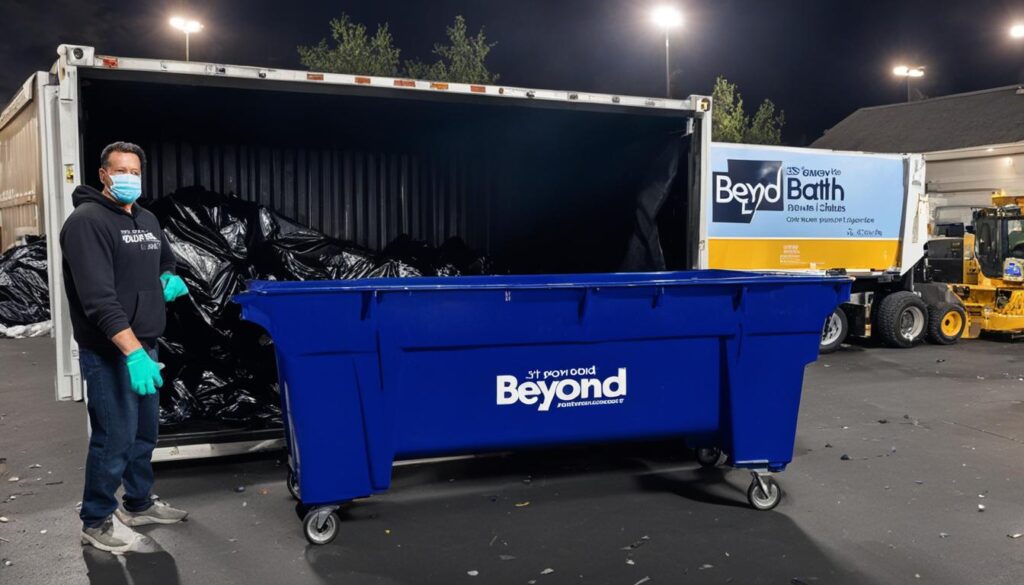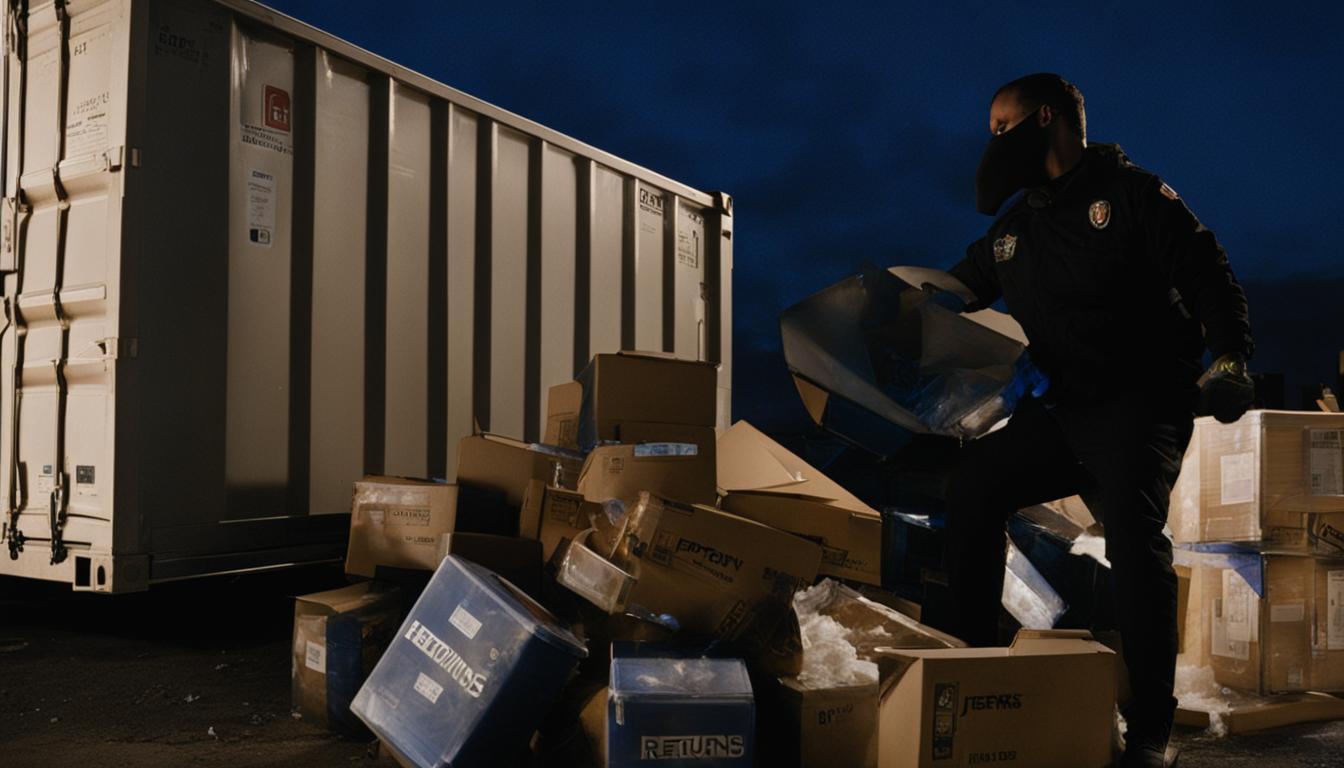
Dumpster Diving At Jcpenney can offer surprising finds for those willing to explore retail waste streams. Many divers report discovering clothing, household items, and seasonal merchandise in JCPenney dumpsters, particularly at outlet locations where damaged goods are regularly discarded.
While the practice remains controversial, some people have found valuable items that would otherwise end up in landfills. The key is understanding store policies, local laws, and safety precautions before attempting any dumpster diving activity.
TL;DR
- JCPenney outlet stores may discard slightly damaged clothing and home goods during unloading processes.
- Best diving times are after 9 p.m. on weekdays or Sunday evenings when stores rotate inventory.
- Always check local trespassing laws – many areas prohibit dumpster diving on private property.
- Wear protective gear including thick gloves and closed-toe shoes to avoid injury from broken glass or metal.
Dumpster Diving At Jcpenney: What You Might Find
JCPenney dumpsters can contain various discarded merchandise depending on the location type. Outlet stores tend to have more frequent disposal of damaged or returned items compared to regular retail locations.
Common finds include clothing with minor defects, seasonal items being rotated out, and household goods like towels or bedding. Some divers have also discovered art supplies, cardboard displays, and even mannequins that stores no longer need.
Clothing and Accessories
Damaged clothing makes up a significant portion of JCPenney dumpster contents. Items might have small tears, missing buttons, or stains that make them unsellable but potentially repairable at home.
- Seasonal clearance – End-of-season items that didn’t sell get discarded to make room for new inventory.
- Returns with defects – Customer returns that can’t be resold due to damage or wear.
- Display items – Store mannequin clothing and accessories that are replaced regularly.
- Accessories and shoes – Items with scuffs or missing parts that stores can’t sell.
Home Goods and Decor
JCPenney’s home department generates various discarded items throughout the year. These often include functional pieces with cosmetic damage.
- Bedding and linens – Sheets, towels, and blankets with small defects or open packaging.
- Kitchen items – Small appliances or cookware with minor damage or missing accessories.
- Decorative pieces – Seasonal decor, picture frames, and home accessories.
- Furniture samples – Display pieces or damaged furniture that can’t be sold.
Legal Considerations and Risks
Before attempting to dive at any JCPenney location, understand that dumpster diving exists in a legal gray area. While discarded items are often considered abandoned property, accessing dumpsters on private property can constitute trespassing.
Many retail locations have security measures including cameras, locked dumpster areas, and regular patrol checks. Similar to Target’s policies, JCPenney stores may have specific rules about dumpster access that vary by location.
State and Local Laws
Dumpster diving laws vary significantly across different jurisdictions. Some areas explicitly prohibit the practice while others allow it under certain conditions. The legal definition of trespass varies by state and local jurisdiction.
- Check local ordinances. Many cities have specific rules about scavenging or dumpster diving that override state laws.
- Respect private property. Dumpsters on store property are typically off-limits even if the items inside are considered abandoned.
- Avoid trespassing charges. Stay on public property or get explicit permission before accessing any dumpster area.
- Follow posted signs. No trespassing signs make the legal boundaries clear and should always be respected.
Safety Precautions for Dumpster Diving
Dumpster diving carries inherent safety risks that require proper preparation and equipment. Sharp objects, unstable surfaces, and unsanitary conditions are common hazards that can lead to injuries requiring medical attention according to the CDC’s injury prevention guidelines.
Professional waste management companies and retail stores often use compactors or locked containers to prevent access. Like Walmart’s security measures, many retailers have increased protection around their waste disposal areas.
Essential Safety Gear
Always wear thick work gloves, closed-toe shoes, and long pants when diving. Bring a flashlight and hand sanitizer for safe exploration.
Health and Safety Equipment
- Protective clothing – Long sleeves and pants to prevent cuts and scrapes from sharp edges.
- Quality gloves – Heavy-duty work gloves to protect hands from glass, metal, and contaminated materials.
- Proper footwear – Steel-toed boots or sturdy shoes to protect feet from punctures and falls.
- Lighting equipment – Headlamp or flashlight for visibility in dark dumpster areas.
- Sanitizing supplies – Hand sanitizer and wet wipes for cleaning up after diving sessions.
Best Times and Locations for Success
Timing plays a crucial role in successful dumpster diving at JCPenney locations. Stores typically dispose of merchandise on specific schedules based on inventory turnover and seasonal changes.
Outlet locations tend to have more frequent disposals compared to regular retail stores. Understanding these patterns can help maximize your chances of finding valuable items while minimizing wasted time.
Optimal Timing Strategies
- Weekday evenings – After 9 p.m. when stores close and dispose of daily damaged goods.
- Sunday nights – Before Monday morning pickup when weekly disposal accumulates.
- End of seasons – When stores clear out seasonal inventory to make room for new merchandise.
- After holidays – Post-holiday periods when returned and damaged items pile up.
Location Types to Consider
Different JCPenney location types offer varying opportunities for successful diving. Understanding these differences helps focus your efforts on the most promising spots.
- Outlet stores – Higher volume of damaged goods and irregular merchandise disposal.
- Urban locations – More frequent inventory turnover but potentially better security measures.
- Suburban stores – Less security but potentially less frequent disposal schedules.
- Mall locations – Shared dumpster areas that might contain items from multiple retailers.
Alternatives to Dumpster Diving
For those interested in discounted JCPenney merchandise without the risks of dumpster diving, several legal alternatives exist. These options provide access to similar deals without trespassing or safety concerns.
Many retail chains, including Kohl’s, have official programs for disposing of damaged goods that create opportunities for bargain hunters through legitimate channels.
Legal Shopping Alternatives
- Clearance sections – Heavily discounted items that stores want to move quickly.
- Outlet shopping – JCPenney outlets offer damaged or irregular items at reduced prices.
- Employee sales – Some locations hold periodic sales for staff that may be open to the public.
- Liquidation auctions – When stores close, they often auction remaining inventory.
Articles You May Like
Frequently Asked Questions
Is dumpster diving at JCPenney legal?
The legality depends on local laws and whether the dumpster is on private property. Many jurisdictions consider it trespassing even if the items are discarded.
What items are most commonly found in JCPenney dumpsters?
Damaged clothing, seasonal clearance items, and home goods with minor defects are the most frequent finds reported by divers.
When is the best time to check JCPenney dumpsters?
After 9 p.m. on weekdays and Sunday evenings typically offer the best selection when stores dispose of accumulated damaged goods.
Do JCPenney stores have security around their dumpsters?
Many locations have security cameras and some use locked compactors to prevent dumpster access, especially in urban areas.
Final Thoughts
Dumpster Diving At Jcpenney remains a controversial practice that carries both legal and safety risks alongside potential rewards. While some divers report finding valuable clothing and household items, the activity requires careful consideration of local laws and safety precautions.
Legal alternatives like clearance shopping and outlet stores often provide similar deals without the associated risks. Consider these safer options before attempting any dumpster diving activity.