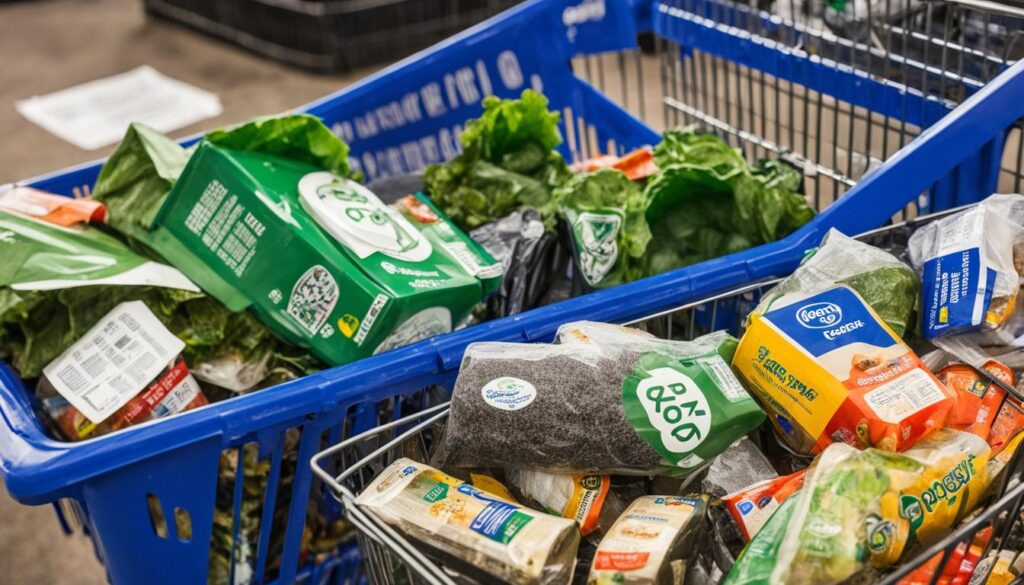
Can You Dumpster Dive At Kroger explores whether this popular grocery chain offers opportunities for finding free items and food. Many people wonder about the legal rules and safety considerations when it comes to searching Kroger’s dumpsters for discarded but still useful products.
Kroger operates thousands of stores across the United States, making it a common target for dumpster diving enthusiasts. Understanding the company’s policies and local laws helps you make informed decisions about whether this activity is worth pursuing in your area.
TL;DR
- Dumpster diving at Kroger is legal in most states but considered trespassing on private property by the company.
- Kroger stores typically post warning signs and may ban customers caught diving their dumpsters.
- Common finds include fresh produce, baked goods, and household items with values ranging from $10-50 per trip.
- Peak diving times are late evening after 9 PM when stores finish restocking and disposing of expired items.
Can You Dumpster Dive At Kroger
Kroger does not officially allow dumpster diving on their property and considers it trespassing. The company posts warning signs at many locations to discourage this activity and protect themselves from liability issues.
While dumpster diving itself isn’t illegal in most states, doing it on private property like Kroger parking lots can result in trespassing charges. Store managers have the authority to ask you to leave and can ban you from returning to that location.
Legal Status by State
The legality of dumpster diving varies significantly depending on your location. Most states allow diving in public areas but restrict it on private property.
Here’s how different states handle dumpster diving laws:
- Texas – Legal in public areas, private property requires permission
- California – Restricted in many cities with specific ordinances
- Florida – Generally legal but subject to local trespassing laws
- Ohio – Legal with restrictions on private property access
- Georgia – Allowed in public spaces, private property off-limits
Always research your local ordinances before attempting to dive at any Kroger location. Some cities have specific rules that override state laws.
Kroger’s Corporate Policy
Kroger maintains a strict policy against dumpster diving for several reasons. The company worries about liability if someone gets injured while diving on their property.
They also want to protect customer privacy since dumpsters may contain personal information from returned items or pharmacy records. Most Kroger locations use locked dumpsters or place them in secured areas to prevent access.
What You Can Find in Kroger Dumpsters
Kroger dumpsters often contain valuable items that the store couldn’t sell due to minor damage, approaching expiration dates, or seasonal changes. The variety depends on the specific store location and timing of your visit.
Food Items
Fresh produce makes up a large portion of Kroger’s waste stream. Fruits and vegetables with minor blemishes or those approaching sell-by dates get discarded regularly.
Bakery items like bread, pastries, and cakes often get thrown out daily. Deli meats and prepared foods may also be available, though you should exercise extreme caution with perishable items.
Non-Food Products
Seasonal merchandise gets discarded when displays change throughout the year. Holiday decorations, outdoor furniture, and garden supplies frequently end up in dumpsters.
Household items, personal care products, and sometimes electronics may be found when stores clean out damaged inventory. Dollar General stores follow similar patterns for discarding merchandise.
Items to Avoid
Never take expired medications, opened personal care products, or items with damaged packaging that could pose health risks. Raw meat and dairy products past their expiration dates should be avoided entirely.
Cleaning chemicals, automotive fluids, and other hazardous materials require special disposal and shouldn’t be removed from dumpsters. These items can be dangerous to handle without proper equipment.
Best Times to Check Kroger Dumpsters
Visit late evening after 9 PM when stores finish restocking and disposing of expired items. Wednesday and Sunday nights typically yield the most finds since these are common restock days.
Safety Considerations
Dumpster diving carries inherent safety risks that you should carefully consider before attempting. Sharp objects, broken glass, and contaminated materials pose potential hazards.
Wear thick gloves, closed-toe shoes, and long pants to protect yourself from cuts and punctures. Bring a flashlight to see clearly inside dark dumpsters and avoid reaching into areas you can’t see.
Health Risks
Food poisoning from expired or contaminated items represents the biggest health concern. Bacteria multiply rapidly in warm dumpster environments, making even recently discarded food potentially dangerous.
Only take packaged items that appear undamaged and haven’t been exposed to other waste materials. Walmart stores present similar health considerations for diving enthusiasts.
Legal Protection
Always respect “No Trespassing” signs and private property boundaries. If confronted by store employees or security, comply immediately and leave the premises without argument.
Consider diving only in public areas or getting explicit permission from store managers before accessing dumpsters on private property. This approach eliminates most legal risks associated with the activity.
Alternatives to Dumpster Diving
Several legal alternatives can provide similar benefits without the risks of traditional dumpster diving. Many stores offer marked-down merchandise and clearance sections for budget-conscious shoppers.
Food rescue apps like Flashfood partner with grocery stores including some Kroger locations to sell discounted items approaching expiration dates. These programs offer legal access to reduced-price merchandise.
Store Donation Programs
Kroger participates in food donation programs with local food banks and charities. Volunteering with these organizations can provide access to surplus items while supporting community needs.
Contact local food banks to learn about volunteer opportunities that might include sorting donated items from grocery stores. This approach benefits both you and the community.
Manager Relationships
Building relationships with store managers sometimes leads to opportunities for acquiring damaged or expired merchandise legally. Some managers appreciate customers who help reduce waste.
Ask politely about purchasing damaged goods at reduced prices rather than having them thrown away. This approach respects property rights while achieving similar financial benefits. Target stores sometimes offer similar arrangements for damaged merchandise.
Environmental Impact
Grocery stores generate massive amounts of waste, with Kroger being no exception due to its size and scale. The company throws away tons of perfectly edible food and usable merchandise annually.
This waste contributes to environmental problems including methane emissions from landfills and wasted agricultural resources. Dumpster diving, while controversial, does help reduce the amount of waste reaching landfills.
Corporate Responsibility
Major grocery chains including Kroger face increasing pressure to address food waste through better donation programs and inventory management. Some locations have improved their waste reduction efforts in recent years.
Supporting stores that prioritize waste reduction and donation programs encourages better corporate behavior across the industry. Consumer pressure can influence policy changes at major retailers. Whole Foods Market has implemented several waste reduction initiatives that other stores could adopt.
Articles You May Like
Frequently Asked Questions
Is dumpster diving at Kroger illegal?
Dumpster diving itself isn’t illegal in most states, but doing it on Kroger’s private property can be considered trespassing. The legality depends on your location and local ordinances.
What time should I check Kroger dumpsters?
Late evening after 9 PM typically yields the best results since stores finish restocking and disposing of expired items. Wednesday and Sunday nights are often most productive.
Can Kroger ban me for dumpster diving?
Yes, Kroger can ban customers caught diving their dumpsters since it’s considered trespassing on private property. Store managers have authority to issue trespass warnings.
What items are safe to take from Kroger dumpsters?
Packaged non-perishable items, undamaged household goods, and sealed products are generally safer options. Avoid expired food, medications, and items with damaged packaging.
Are there legal alternatives to dumpster diving at Kroger?
Yes, including clearance sections, food rescue apps like Flashfood, and asking managers about purchasing damaged goods at reduced prices. These alternatives avoid legal risks.
Final Thoughts
Can You Dumpster Dive At Kroger presents both opportunities and significant risks for those seeking free items or reduced-waste shopping alternatives. While you might find valuable merchandise, the legal and safety concerns make this activity challenging to pursue safely.
Consider exploring legal alternatives like clearance sections, food rescue apps, and building relationships with store managers before attempting traditional dumpster diving. These approaches provide similar benefits while avoiding the legal and safety risks associated with trespassing on private property.