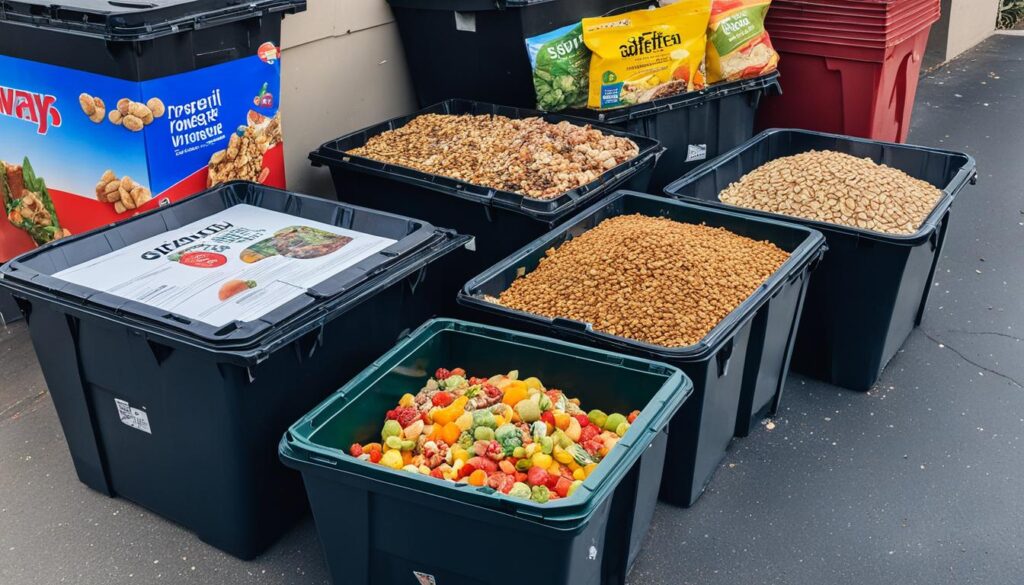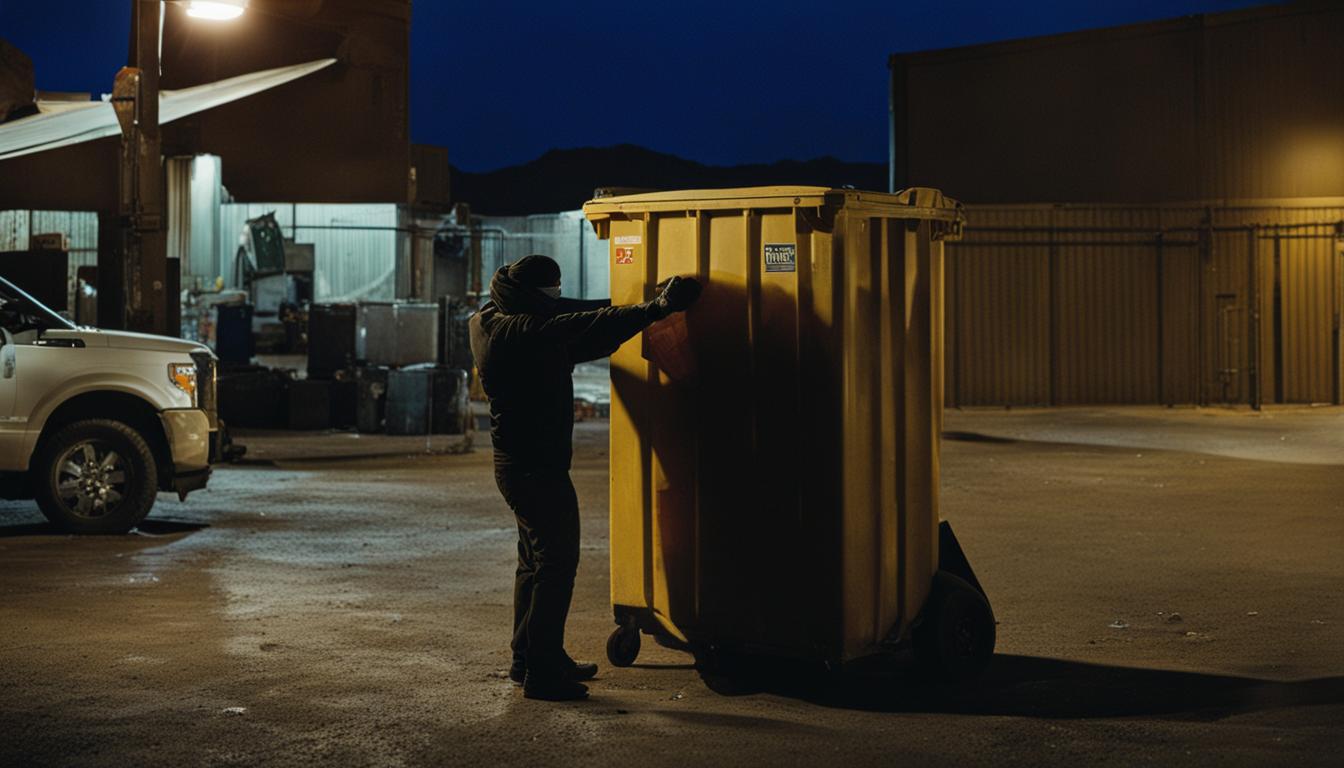
Can You Dumpster Dive at Safeway? This question comes up frequently among people looking to reduce food waste and find valuable items without spending money. While Safeway locations may seem like promising spots for dumpster diving, there are important legal and safety considerations to understand first.
Most Safeway stores have strict policies against dumpster diving and consider it trespassing on private property. The company typically locks or secures their dumpsters to prevent access, and store managers may call security or police if they find people searching through their waste containers.
TL;DR
- Safeway stores typically prohibit dumpster diving and consider it trespassing on private property.
- Most Safeway dumpsters are locked or located in secured areas behind the stores.
- Penalties for dumpster diving at Safeway can include fines up to $500 and potential criminal charges.
- Legal alternatives include checking clearance sections, asking about damaged goods, or exploring food rescue programs.
Can You Dumpster Dive at Safeway
The short answer is no – you generally cannot legally dumpster dive at Safeway stores. Safeway, like most major grocery chains, considers their dumpsters private property and prohibits unauthorized access to their waste containers.
Safeway stores across the United States have consistent policies against dumpster diving. Store managers receive training on how to handle people attempting to access dumpsters, and most locations have security measures in place to prevent it.
Legal Issues with Safeway Dumpster Diving
Dumpster diving at Safeway can lead to several legal problems that make the activity risky and potentially costly.
Trespassing Charges
The biggest legal risk is trespassing. Safeway parking lots and the areas around dumpsters are private property, and accessing them without permission can result in criminal charges.
- Misdemeanor charges – Most trespassing violations are classified as misdemeanors
- Fines – Penalties typically range from $200 to $500 for first-time offenders
- Criminal record – A trespassing conviction goes on your permanent record
- Banned from property – Stores can issue lifetime bans preventing future visits
Local Ordinances
Many cities and counties have specific laws about dumpster diving that add another layer of legal complexity. These ordinances often work alongside private property laws to discourage the practice.
Before considering dumpster diving anywhere, research your local laws thoroughly. What might be legal in one jurisdiction could result in serious penalties in another.
Why Safeway Prohibits Dumpster Diving
Safeway has several business reasons for preventing dumpster diving on their properties.
Liability Concerns
The company faces potential lawsuits if someone gets injured while dumpster diving on their property. Sharp objects, broken glass, and unstable dumpster structures create safety hazards that could result in costly legal claims.
Food Safety Issues
Safeway disposes of food items for specific reasons – expired dates, temperature violations, or contamination concerns. The company cannot guarantee the safety of discarded food and wants to prevent potential foodborne illness cases.
- Health department violations – Allowing people to take discarded food could violate health codes
- Insurance problems – Claims related to contaminated food could affect coverage
- Brand reputation – Food safety incidents reflect poorly on the company
Physical Barriers at Safeway Locations
Most Safeway stores use multiple methods to prevent dumpster access and make diving practically impossible.
Security Measures
Safeway locations typically implement several physical barriers around their waste areas.
- Locked dumpsters. Many stores use dumpsters with locking mechanisms that require keys to open.
- Fenced enclosures. Dumpster areas are often surrounded by tall fences with locked gates.
- Security cameras. Video surveillance monitors dumpster areas to deter unauthorized access.
- Motion lights. Bright lights activate when movement is detected near waste areas.
Some locations also use compactor units instead of traditional dumpsters, making it impossible to access discarded items safely.
Legal Alternative
Instead of risking legal trouble, check Safeway’s clearance sections for marked-down items. Many stores also donate unsold food to local food banks where you might volunteer.
Better Alternatives to Safeway Dumpster Diving
Rather than risking legal problems at Safeway, consider these legitimate ways to find discounted groceries and reduce food waste.
Store Discount Programs
Safeway offers several programs that provide access to discounted items without legal risks.
- Clearance sections – Look for marked-down produce, bakery items, and deli products
- Digital coupons – The Safeway app offers exclusive deals and personalized discounts
- Loyalty rewards – Just for U program provides points and special pricing
- Manager specials – Ask about items approaching sell-by dates
Food Rescue Organizations
Many communities have food rescue programs that work directly with grocery stores like Safeway to redistribute surplus food legally.
These organizations have formal agreements with stores and follow proper food safety protocols. Whole Foods Market and other retailers participate in similar programs.
Risks Beyond Legal Issues
Even if legal concerns didn’t exist, dumpster diving at Safeway presents significant safety and health risks.
Physical Dangers
Grocery store dumpsters contain numerous hazards that can cause serious injuries.
- Broken glass – Shattered bottles and jars create cutting hazards
- Sharp metal – Damaged cans and containers have razor-sharp edges
- Unstable surfaces – Climbing on dumpsters risks falls and crushing injuries
- Chemical exposure – Cleaning products and other chemicals may leak
Health Concerns
The food safety risks in grocery store dumpsters are substantial and potentially life-threatening.
Items get discarded for contamination, spoilage, or temperature violations. Even sealed packages may contain harmful bacteria if they’ve been exposed to unsafe conditions.
Articles You May Like
Frequently Asked Questions
Is dumpster diving at Safeway illegal everywhere?
While laws vary by location, most Safeway stores prohibit dumpster diving as trespassing on private property regardless of local dumpster diving laws.
What happens if you get caught dumpster diving at Safeway?
You could face trespassing charges, fines up to $500, and permanent bans from the store property.
Are Safeway dumpsters locked?
Most Safeway locations use locked dumpsters or secure enclosures to prevent unauthorized access to their waste containers.
Can you ask Safeway managers for permission to dumpster dive?
Store managers cannot grant permission for dumpster diving as it violates corporate policy and insurance requirements.
Final Thoughts
Can You Dumpster Dive at Safeway locations without legal consequences? The answer is clearly no – the risks far outweigh any potential benefits.
Focus your efforts on legal alternatives like clearance shopping, digital coupons, and food rescue programs. These options let you save money and reduce waste without facing criminal charges or safety hazards that come with unauthorized dumpster access.