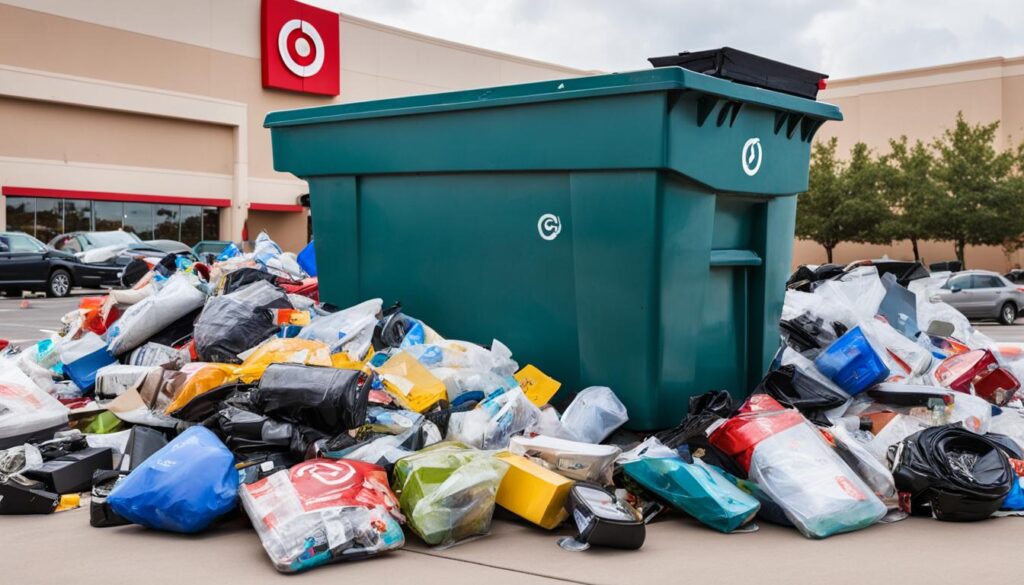
Dumpster Diving At Target offers unique opportunities for finding discarded merchandise, but it comes with significant legal and safety considerations. Target stores regularly dispose of returned items, damaged packaging products, and seasonal merchandise that could have value.
While some people view Target’s dumpsters as treasure troves, the reality involves understanding local laws, respecting private property, and taking proper safety precautions. Most Target locations prohibit dumpster diving since their dumpsters sit on private property.
TL;DR
- Target dumpster diving happens on private property, making it legally risky in most locations.
- Early morning hours (5-7 AM) offer the best timing with fewer employees around.
- Electronics, furniture, books, and pet supplies are the most commonly discarded valuable items.
- Average weekly earnings from Target dumpster diving range from $50-$300 depending on location and effort.
Dumpster Diving At Target Legal Considerations
Target stores operate on private property, which means dumpster diving without permission technically constitutes trespassing. Most states allow property owners to restrict access to their dumpsters, regardless of whether items inside have been “abandoned.”
The legal risks include trespassing charges, disorderly conduct citations, and potential criminal charges depending on local ordinances. Some areas have specific anti-scavenging laws that make dumpster diving explicitly illegal.
Know Your Local Laws
State and municipal laws vary significantly regarding dumpster diving. Research your specific location’s regulations before attempting to dive at any Target location.
- Trespassing laws – Most relevant legal concern for Target diving
- Municipal ordinances – City-specific rules about scavenging
- Health department regulations – Safety-related restrictions
- Property owner rights – Target’s ability to restrict access
What Target Throws Away
Target discards a wide variety of merchandise due to their generous return policy and seasonal inventory turnover. The company’s 90-day return window means many functional items end up in dumpsters when packaging gets damaged or items can’t be resold.
Common categories of discarded Target merchandise include electronics with cosmetic damage, seasonal decorations, returned clothing, books, pet supplies, and home goods. Similar to Best Buy’s disposal practices, Target often throws away items that are perfectly functional but can’t be resold due to store policies.
High-Value Items to Look For
- Electronics – TVs, gaming accessories, small appliances with minor defects
- Home goods – Furniture pieces, décor items, kitchen supplies
- Books and media – New releases, educational materials, DVDs
- Pet products – Food, toys, beds, and accessories
- Clothing – Returns and damaged packaging items
Best Times for Target Dumpster Diving
Timing plays a crucial role in successful Target dumpster diving. Early morning hours between 5-7 AM typically offer the best opportunities with minimal employee presence and fresh overnight discards.
Late evening hours after store closing can also be productive, though increased security presence makes this timing riskier. Weekend mornings often yield more finds due to higher return volumes from weekend shoppers.
Seasonal Considerations
Target’s seasonal inventory cycles create peak dumpster diving periods throughout the year. Post-holiday periods, back-to-school transitions, and seasonal clearance events generate increased disposal volumes.
- January clearance. Holiday items and returns create high disposal volumes.
- August back-to-school. Summer items get discarded for new inventory.
- September seasonal transition. Summer goods make way for fall merchandise.
- November pre-holiday. Store preparation creates disposal opportunities.
Safety First Approach
Always wear protective clothing, gloves, and closed-toe shoes when dumpster diving. Disinfect all found items before use or resale to prevent health risks.
Target’s Return Policy Impact
Target’s customer-friendly return policy directly influences what ends up in their dumpsters. The 90-day return window for most items means returned merchandise often sits in storage before eventual disposal.
Items with damaged packaging, missing accessories, or cosmetic defects frequently get discarded rather than processed for resale. Unlike Walmart’s return processing, Target tends to dispose of questionable returns more quickly.
Return Processing Timeline
Understanding Target’s internal processes helps predict peak disposal times. Returns typically get processed within 24-48 hours, with disposal decisions made based on item condition and resale potential.
Income Potential and Realistic Expectations
Dumpster diving at Target can generate supplemental income, but earnings vary dramatically based on location, timing, and individual effort. Most successful Target divers report weekly earnings between $50-$300.
Success factors include developing relationships with multiple locations, understanding peak disposal times, and focusing on high-resale-value items. Similar to Costco diving opportunities, consistency and persistence often matter more than occasional big finds.
Realistic Weekly Earnings
| Experience Level | Weekly Time Investment | Average Earnings |
|---|---|---|
| Beginner | 5-10 hours | $25-$75 |
| Intermediate | 10-15 hours | $75-$200 |
| Advanced | 15-25 hours | $200-$400 |
Safety Precautions and Best Practices
Target dumpster diving requires proper safety equipment and awareness of potential hazards. Broken glass, sharp metal edges, and contaminated materials pose real risks to unprepared divers.
Essential safety gear includes thick gloves, protective clothing, flashlight, and hand sanitizer. Never reach blindly into bags or containers, and always inspect items carefully before handling.
Health and Safety Essentials
- Protective gear – Thick gloves, long sleeves, closed-toe shoes
- Lighting – Flashlight or headlamp for visibility
- Sanitization – Hand sanitizer and disinfectant wipes
- First aid kit – Basic supplies for minor cuts or injuries
Respect store employees and security personnel if encountered. Similar to CVS diving etiquette, politely leaving when asked prevents legal complications and maintains positive relationships.
Articles You May Like
Frequently Asked Questions
Is dumpster diving at Target legal?
Target dumpster diving legality varies by location, but most Target stores are on private property where diving constitutes trespassing without permission.
What are the best times to dumpster dive at Target?
Early morning hours between 5-7 AM typically offer the best opportunities with minimal employee presence and fresh overnight discards.
What valuable items does Target throw away?
Target commonly discards electronics, home goods, books, pet products, and clothing due to returns, damaged packaging, or seasonal inventory changes.
How much money can you make dumpster diving at Target?
Weekly earnings typically range from $50-$300 depending on location, timing, effort level, and local market demand for found items.
What safety precautions should I take when dumpster diving at Target?
Wear protective clothing, gloves, and closed-toe shoes, carry a flashlight, and always disinfect found items before use or resale.
Final Thoughts
Dumpster Diving At Target presents both opportunities and risks that require careful consideration before attempting. While valuable finds are possible, the legal and safety challenges make this activity unsuitable for everyone.
Success depends on understanding local laws, respecting property rights, and maintaining proper safety practices throughout the process.