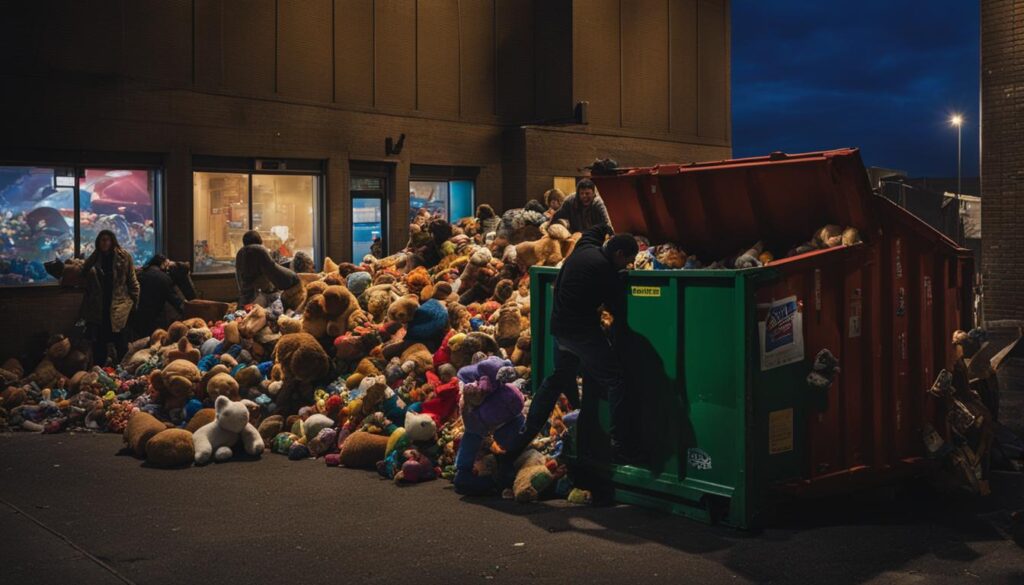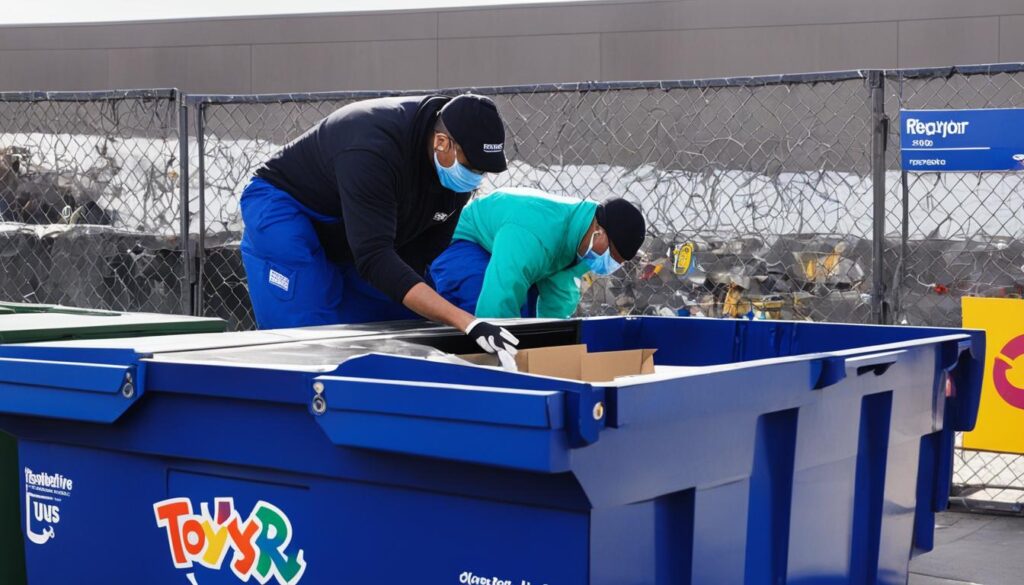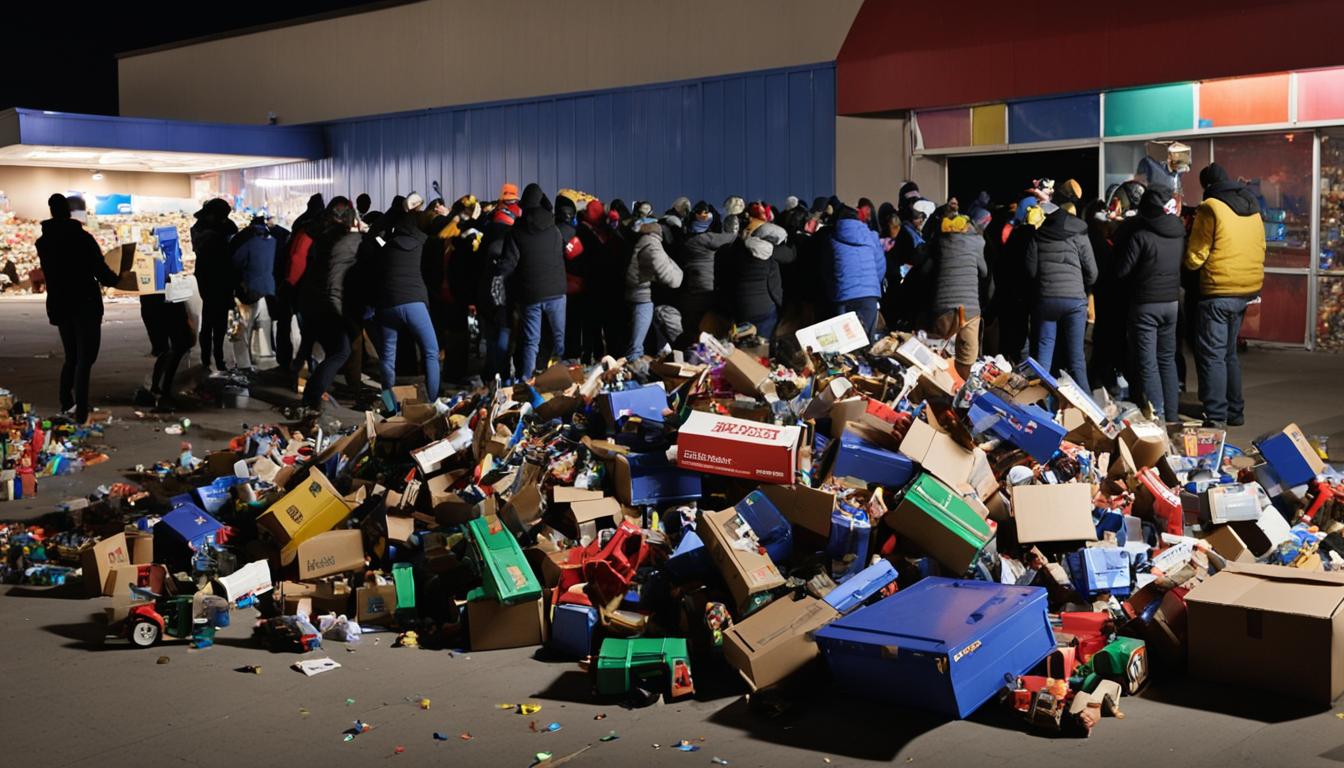
Can You Dumpster Dive At Toys R Us is a question many bargain hunters ask when looking for discarded toys and merchandise. While the idea of finding valuable items in store dumpsters might seem appealing, the reality involves legal restrictions and safety concerns that make this practice problematic at most retail locations.
Major retailers like Toys R Us typically prohibit dumpster diving on their property due to liability issues and merchandise protection policies. Understanding the legal landscape and exploring safer alternatives can help you find deals without running into trouble with store management or local authorities.
TL;DR
- Toys R Us generally prohibits dumpster diving on their private property due to safety and liability concerns.
- Local laws vary by location, but trespassing charges can apply even where dumpster diving isn’t specifically illegal.
- Store donation programs and recycling initiatives offer legal alternatives to accessing discarded merchandise.
- Safety risks include sharp objects, hazardous materials, and potential injuries from climbing into commercial dumpsters.
Can You Dumpster Dive At Toys R Us
Most Toys R Us locations explicitly forbid dumpster diving on their premises through posted signs and company policies. These restrictions exist primarily to protect the company from liability issues and prevent potential theft of returned or damaged merchandise that still holds value.
The legal status of dumpster diving varies significantly by state and municipality. While some areas don’t have specific laws against the practice, property rights generally allow businesses to restrict access to their dumpsters and surrounding areas.
Private Property Restrictions
Toys R Us dumpsters sit on private property, which means accessing them without permission constitutes trespassing in most jurisdictions. Store managers can ask you to leave and contact law enforcement if you refuse to comply with their requests.
Security cameras monitor most retail locations, including dumpster areas, making it likely that your activities will be recorded. This footage can serve as evidence if legal action becomes necessary.
Legal Considerations and Risks
The legality of dumpster diving depends heavily on your location and how you conduct the activity. Even in areas where the practice isn’t explicitly banned, you can face charges for trespassing, theft, or violating local ordinances.
Before attempting to dumpster dive anywhere, research your local laws thoroughly. Many cities have specific regulations about scavenging through commercial waste, and penalties can range from warnings to substantial fines. The Department of Justice provides resources about property rights and trespassing laws that vary by state.
Potential Legal Consequences
- Trespassing charges – Entering private property without permission, even just to access dumpsters.
- Theft accusations – Taking items that the store considers salvageable or returnable merchandise.
- Municipal violations – Breaking local ordinances about waste scavenging or public health regulations.
- Disorderly conduct – Creating disturbances or refusing to leave when asked by store personnel.
Safety Concerns and Hazards
Commercial dumpsters present numerous safety risks that go beyond legal issues. Retail waste often contains sharp objects, broken glass, and potentially hazardous materials that can cause serious injuries.
Large commercial dumpsters require climbing or leaning over high walls, creating fall risks and potential for crushing injuries if someone becomes trapped. Poor lighting around dumpster areas increases the likelihood of accidents during evening or early morning attempts.
Safety First
If you’re determined to explore waste recovery, stick to public areas where it’s legal and use proper safety equipment. Never enter private property or climb into commercial dumpsters.
Common Dumpster Hazards
- Sharp objects – Broken toys, packaging materials, and metal fixtures can cause cuts.
- Chemical exposure – Cleaning supplies and batteries may leak hazardous substances.
- Unstable surfaces – Loose items can shift unexpectedly, causing falls or injuries.
- Pest infestations – Rodents and insects often inhabit dumpster areas.
Alternative Ways to Find Deals
Instead of risking legal trouble through dumpster diving, consider legitimate alternatives that can help you access discounted or free items. Many of these options provide better quality merchandise with less risk.
Toys R Us and similar retailers often have official channels for disposing of excess inventory that benefit both the company and consumers looking for deals.
Clearance Sales and Liquidations
Store closing sales and seasonal clearance events offer legitimate ways to purchase discounted merchandise. These sales often feature items that might otherwise end up in dumpsters, but at deeply reduced prices.
Online auction sites frequently sell liquidated retail inventory in bulk lots, giving you access to new or returned merchandise through legal channels. Liquidation.com specializes in wholesale lots from major retailers, including toy stores.
Donation and Recycling Programs
Many retailers partner with charities to donate unsold merchandise rather than throwing it away. Contact local organizations to learn about these programs and potentially access free items through proper channels.
Some stores have take-back programs for old toys or electronics, creating opportunities to find refurbished items at reduced prices. These programs focus on environmental responsibility while providing consumer benefits.
Store Policies and Corporate Practices
Major toy retailers implement comprehensive waste management policies that address both environmental concerns and loss prevention. Understanding these policies helps explain why dumpster diving restrictions exist and what happens to unsold merchandise.
Companies invest significant resources in inventory management systems designed to minimize waste and maximize the value recovered from returned or damaged items. Similar to other major retailers like Target and Walmart, Toys R Us has specific procedures for handling merchandise that can’t be sold at full price.
Merchandise Recovery Systems
- Return processing – Items get inspected, repackaged, or sent to liquidation channels.
- Damage assessment – Partially damaged goods may be sold at discount or donated to charities.
- Seasonal management – Holiday merchandise gets marked down rather than discarded when possible.
- Vendor returns – Defective items often go back to manufacturers for credit or replacement.
Building Relationships with Store Personnel
Developing positive relationships with store managers and employees can lead to information about legitimate discount opportunities. Many stores have insider knowledge about upcoming sales or clearance events.
Ask about employee purchase programs or damage discount policies that might apply to customers. Some retailers offer formal programs for purchasing returned or display merchandise at reduced prices.
Articles You May Like
Frequently Asked Questions
Is dumpster diving illegal at Toys R Us?
While dumpster diving laws vary by location, Toys R Us prohibits the practice on their private property, making it trespassing regardless of local dumpster diving laws.
What happens if I get caught dumpster diving at a toy store?
You could face trespassing charges, be banned from the store property, and potentially face theft accusations if you take items the store considers valuable.
Are there legal ways to get discarded toys from retailers?
Yes, through clearance sales, liquidation auctions, charity partnerships, and by asking store managers about damaged merchandise policies.
What safety risks are involved in dumpster diving?
Risks include cuts from sharp objects, chemical exposure, falls from climbing, pest encounters, and potential crushing injuries in large commercial dumpsters.
Do toy stores donate unsold merchandise instead of throwing it away?
Many major retailers have donation programs with charities for unsold items, though specific policies vary by company and location.
Final Thoughts
Can You Dumpster Dive At Toys R Us remains a risky proposition due to legal restrictions, safety concerns, and corporate policies that protect both the business and potential trespassers. The combination of private property laws and company liability concerns makes this practice inadvisable at most retail locations.
Focus your energy on legitimate alternatives like clearance sales, liquidation sites, and community donation programs that offer access to discounted merchandise without legal risks. These approaches provide better quality items and support businesses and charities in your community.