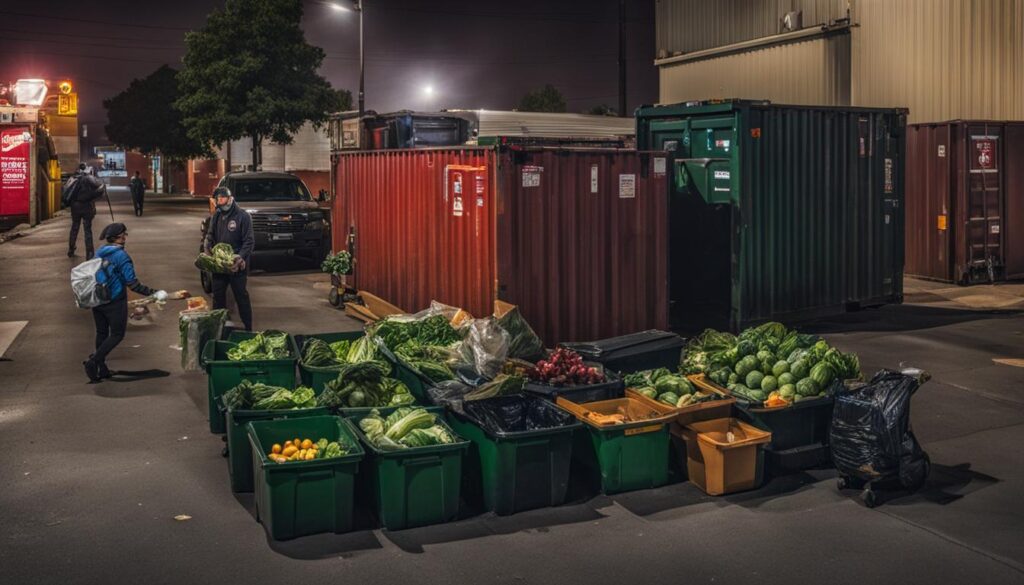
Can You Dumpster Dive At Trader Joe’s presents both opportunities and challenges for those seeking discounted goods or extra income. With over 530 stores nationwide, Trader Joe’s generates significant waste that attracts dumpster diving enthusiasts looking for everything from organic snacks to beauty products.
However, diving at Trader Joe’s requires careful consideration of legal boundaries and safety precautions. Most locations sit on private property where store management can ask you to leave, making this activity riskier than public dumpster diving spots.
TL;DR
- Experienced divers report earning an average of $87.50 per week from Trader Joe’s dumpster finds alone.
- The best diving times are just before opening or after closing, especially on weekends when more returns get discarded.
- Common valuable finds include sunscreens, lotions, specialty foods, pet products, and cleaning supplies with damaged packaging.
- All Trader Joe’s stores are on private property where management can legally ask you to leave and press trespassing charges.
Can You Dumpster Dive At Trader Joe’s
Dumpster diving at Trader Joe’s operates in a legal gray area that varies by location. While the act itself isn’t illegal in most states, these stores sit on private property where different rules apply.
Store management has the right to ask you to leave their premises at any time. Refusing to comply can result in trespassing charges, fines, or even arrest depending on your local laws.
Legal Considerations by State
Before attempting to dive at any Trader Joe’s location, research your state and local laws thoroughly. Some areas have specific ordinances that make dumpster diving illegal regardless of property type.
States like California and Texas generally allow dumpster diving on public property but grant private businesses full control over their premises. Always check with local authorities if you’re unsure about regulations in your area.
What You Can Find in Trader Joe’s Dumpsters
Trader Joe’s dumpsters often contain products with damaged packaging, expired items, or customer returns that can’t be resold. The variety depends on the specific store location and customer demographics.
Popular finds include specialty food items, organic products, and unique seasonal merchandise that Trader Joe’s is known for. Many divers focus on non-perishable goods that maintain their value despite cosmetic packaging damage.
Most Valuable Items
- Beauty and Personal Care – Sunscreens, lotions, and skincare products often have high resale value.
- Specialty Foods – Organic snacks, gourmet chocolates, and unique Trader Joe’s brand items.
- Pet Products – Premium pet foods and supplies that customers frequently return.
- Household Items – Cleaning products, candles, and seasonal decorations.
- Health Supplements – Vitamins and wellness products with damaged outer packaging.
Best Times for Diving at Trader Joe’s
Timing significantly impacts your success rate and safety when diving at Trader Joe’s locations. Understanding store schedules and waste disposal patterns helps maximize your chances of finding valuable items.
Most successful divers recommend arriving just before opening or immediately after closing when fewer staff members are present. This reduces the likelihood of confrontation while giving you access to freshly discarded merchandise.
Weekly Schedule Strategy
- Weekends. Higher customer traffic leads to more returns and damaged packaging from busy shopping periods.
- Monday mornings. Weekend waste gets consolidated, creating larger volumes of potential finds.
- End of month. Stores clear out seasonal items and products approaching expiration dates.
- Holiday periods. Increased inventory turnover results in more discarded specialty items.
Safety First
Always wear long sleeves and gloves when diving to protect against broken glass and sharp objects. Bring a flashlight and thoroughly disinfect any items you plan to keep or sell.
Profit Potential from Trader Joe’s Diving
Many experienced divers treat Trader Joe’s locations as profitable side hustles rather than primary income sources. Success varies greatly based on location, timing, and your ability to identify resellable merchandise.
The key to profitability lies in focusing on items with strong resale markets. Beauty products, specialty foods, and brand-name household items typically offer the best return on time invested.
Resale Platforms
- Online Marketplaces – eBay, Facebook Marketplace, and Mercari for specialty items.
- Local Sales – Garage sales and community groups for bulk household products.
- Discount Stores – Some independent retailers purchase overstock beauty and food items.
- Donation Tax Benefits – Keep receipts for items you donate for potential tax deductions.
Safety and Risk Management
Dumpster diving at any location carries inherent risks that require careful preparation and awareness. Trader Joe’s dumpsters may contain hazardous materials, spoiled food, and sharp objects that pose injury risks.
Beyond physical safety, consider the legal and reputational risks of being caught on private property without permission. Having a clear exit strategy and respectful attitude toward store employees helps minimize negative encounters.
Essential Safety Equipment
- Protective Clothing – Long sleeves, pants, and closed-toe shoes minimum.
- Gloves – Heavy-duty work gloves to protect hands from cuts and contamination.
- Lighting – Headlamp or flashlight for visibility in dark containers.
- Sanitization Supplies – Hand sanitizer and disinfectant wipes for immediate cleaning.
- First Aid Kit – Basic supplies for treating minor cuts or injuries.
Alternative Options to Consider
If dumpster diving at Trader Joe’s seems too risky or unprofitable, consider exploring other retail locations with different policies. Some stores have more relaxed attitudes toward diving or better legal protections for divers.
You might find success at Whole Foods Market locations or Kroger stores where policies and layouts may differ. Each retail chain has unique disposal practices that affect diving success rates.
Articles You May Like
Frequently Asked Questions
Is it illegal to dumpster dive at Trader Joe’s?
Dumpster diving itself isn’t illegal, but Trader Joe’s stores are on private property where management can ask you to leave. Trespassing charges may apply if you refuse to comply with their requests.
What are the best items to look for at Trader Joe’s dumpsters?
Focus on beauty products, specialty foods, pet supplies, and household items with damaged packaging. These items often retain their value despite cosmetic damage to outer packaging.
When is the best time to dive at Trader Joe’s?
The optimal times are just before opening or right after closing, especially on weekends when more customer returns and damaged items get discarded.
How much money can you make dumpster diving at Trader Joe’s?
Experienced divers report earning around $87.50 per week on average, but results vary greatly based on location, timing, and your ability to identify valuable items.
What safety precautions should I take when diving at Trader Joe’s?
Wear protective clothing, bring lighting equipment, and thoroughly disinfect any items you collect. Be aware of broken glass, spoiled food, and other potential hazards in dumpsters.
Final Thoughts
Can You Dumpster Dive At Trader Joe’s offers potential rewards for those willing to navigate the legal and safety challenges involved. While profitable finds are possible, success requires careful timing, proper safety equipment, and respect for private property boundaries.
Consider this activity as a supplementary income source rather than a primary earning strategy. Start by researching local laws and visiting other retail locations to gain experience before attempting Trader Joe’s locations with stricter private property policies.