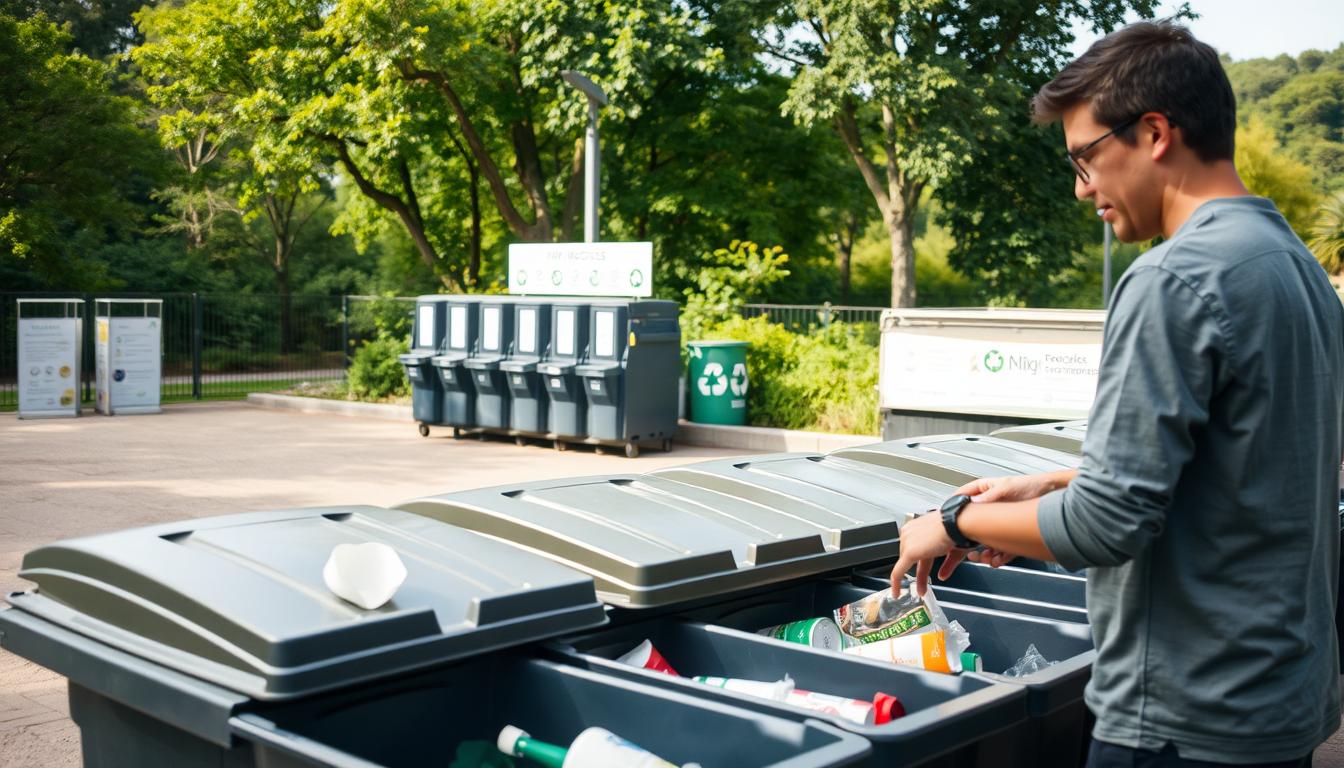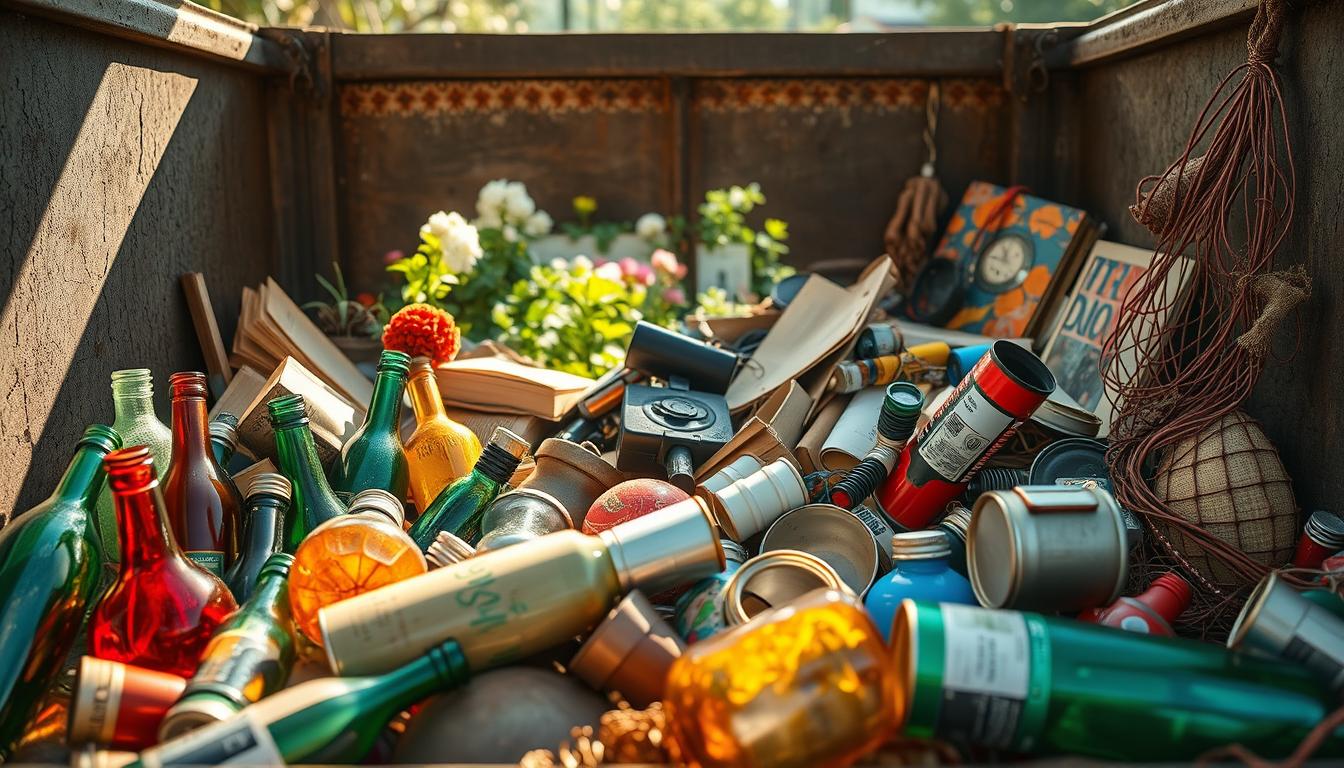
Clean Dumpster Finds represent some of the most rewarding discoveries you can make while diving, offering items that require minimal effort to restore and use immediately. These pristine treasures often come from retail stores, office buildings, and residential areas where perfectly good items get discarded due to minor packaging damage, overstock, or simple replacement cycles.
Finding clean items saves you hours of cleaning time and gives you confidence that your discoveries are safe to use or sell. The best clean finds typically come from sources that prioritize hygiene and have systematic disposal practices, making them goldmines for both beginners and experienced divers.
TL;DR
- Electronics stores discard 15-20% of returns that are actually in perfect working condition due to opened packaging policies.
- Office buildings throw away hundreds of dollars worth of unused supplies every month during cleaning cycles.
- Retail clothing stores dump clean merchandise worth $3,000-5,000 annually per location due to seasonal changes.
- Apartment complexes generate clean furniture and appliances worth over $10,000 yearly during move-out periods.
Clean Dumpster Finds: Prime Locations and Timing
The secret to finding clean items lies in targeting the right locations at optimal times. Electronics retailers like Best Buy and office supply stores consistently produce the cleanest finds because they handle returns and overstock systematically.
Timing your visits around specific business cycles dramatically increases your success rate. Most retailers do their major cleanouts on weekends or early Monday mornings, while office buildings typically discard items on Friday afternoons.
Top Locations for Clean Discoveries
- Electronics stores – Unopened returns, display models, and packaging overruns in excellent condition.
- Office complexes – Unused supplies, working electronics, and furniture from company relocations.
- Retail clothing stores – Tagged merchandise, seasonal items, and slightly damaged packaging with perfect contents.
- Apartment communities – Move-out furniture, appliances, and household items in good condition.
- Educational institutions – Books, supplies, and electronics during semester transitions.
Best Times to Find Clean Items
Successful clean find hunting requires understanding disposal patterns and business cycles. Each type of location has predictable times when they discard their cleanest items.
Retail stores typically do their cleanouts Sunday night through Tuesday morning, while office buildings clear out supplies on Fridays. Nighttime diving often yields cleaner finds since fewer people have had access to rummage through the contents.
Optimal Timing by Location Type
- Retail stores. Sunday nights and Monday mornings when weekly inventory cleanouts happen.
- Office buildings. Friday afternoons when employees clear desks before weekends.
- Electronics stores. Tuesday and Wednesday mornings after return processing periods.
- Apartment complexes. End of month and beginning of month during move-out cycles.
- Schools and universities. End of semesters when students and staff clean out supplies.
What Makes Finds “Clean” vs Regular Discoveries
Clean finds have specific characteristics that set them apart from typical dumpster discoveries. These items show minimal signs of use, have intact original packaging, or come from environments where cleanliness is prioritized.
The key difference is that clean finds require little to no restoration work before use or resale. They often look like items you might find at a thrift store rather than something pulled from trash.
Characteristics of Clean Finds
- Minimal odors – Items smell neutral or like their original environment.
- Intact packaging – Original boxes, tags, or wrapping still present and undamaged.
- No visible stains – Surfaces are free from dirt, grime, or discoloration.
- Working condition – Electronics power on, zippers work, no broken parts.
- Complete sets – All pieces, parts, or accessories are included.
Clean Find Inspection Tip
Always check items thoroughly before taking them, even if they look clean. A quick visual and smell test saves time and prevents you from hauling damaged goods.
High-Value Clean Items to Watch For
Certain categories of clean finds consistently offer the best return on time investment. Electronics, clothing with tags, and unopened household items top the list for both personal use and resale value.
Understanding which clean items have the highest demand helps you prioritize what to collect during your dives. Retail stores like Target often discard perfectly good items due to return policies rather than actual defects.
Most Valuable Clean Categories
- Electronics – Smartphones, tablets, cables, and accessories in working order.
- Branded clothing – Items with tags, designer pieces, or seasonal merchandise.
- Home goods – Kitchenware, decorative items, and small appliances.
- Books and media – Textbooks, popular novels, and educational materials.
- Office supplies – Unused notebooks, pens, and organizational tools.
Safety Considerations for Clean Find Hunting
Even when targeting clean items, basic safety precautions remain important. Clean doesn’t always mean safe, and some items may have hidden issues not visible on first inspection.
Following proper safety protocols protects you from potential hazards while maximizing your success rate. Clean find locations often have better lighting and security, but this also means higher visibility.
Essential Safety Steps
- Wear protective gear. Gloves and closed-toe shoes prevent cuts from hidden sharp objects.
- Check electronics carefully. Look for signs of water damage or exposed wiring before handling.
- Inspect food and personal items. Even clean-looking consumables may be expired or contaminated.
- Be aware of surveillance. Clean find locations often have security cameras and regular patrols.
Maximizing Clean Find Success
Developing a systematic approach to clean find hunting increases both your success rate and the quality of items you discover. Regular scouting, relationship building, and pattern recognition all contribute to better results.
The most successful clean find hunters keep detailed records of locations, timing, and types of items found. This data helps predict future opportunities and identify the most profitable routes.
Success Strategies
- Map your route – Plan efficient paths that hit multiple clean locations in sequence.
- Build relationships – Friendly interactions with employees can lead to insider tips about disposal timing.
- Document patterns – Track what items appear when to predict future finds.
- Focus on quality – Prioritize clean items over quantity to save time and storage space.
- Time your visits – Arrive shortly after disposal times for the best selection.
Articles You May Like
Frequently Asked Questions
Are clean dumpster finds actually safe to use?
Most clean finds from retail and office sources are safe when properly inspected. Always check for damage, expiration dates, and test electronics before use.
Which stores throw away the cleanest items?
Electronics stores, office supply retailers, and clothing stores typically discard the cleanest items due to return policies and overstock management.
How can I tell if a find is truly clean vs just looks clean?
Check for original packaging, smell test for odors, inspect for stains or damage, and verify that electronics power on properly.
What’s the best time to find clean items in dumpsters?
Sunday nights through Tuesday mornings for retail stores, and Friday afternoons for office buildings typically yield the cleanest finds.
Should I focus only on clean finds when dumpster diving?
Clean finds are great for beginners and resale, but don’t ignore items that need minor cleaning as they can also have significant value.
Final Thoughts
Clean Dumpster Finds offer the perfect entry point for new divers and continue to provide excellent opportunities for experienced hunters. These discoveries require minimal processing time while delivering maximum value for both personal use and resale opportunities.
Start by identifying clean find locations in your area and developing a regular diving schedule around optimal disposal times. Focus on building relationships and documenting patterns to improve your success rate over time.