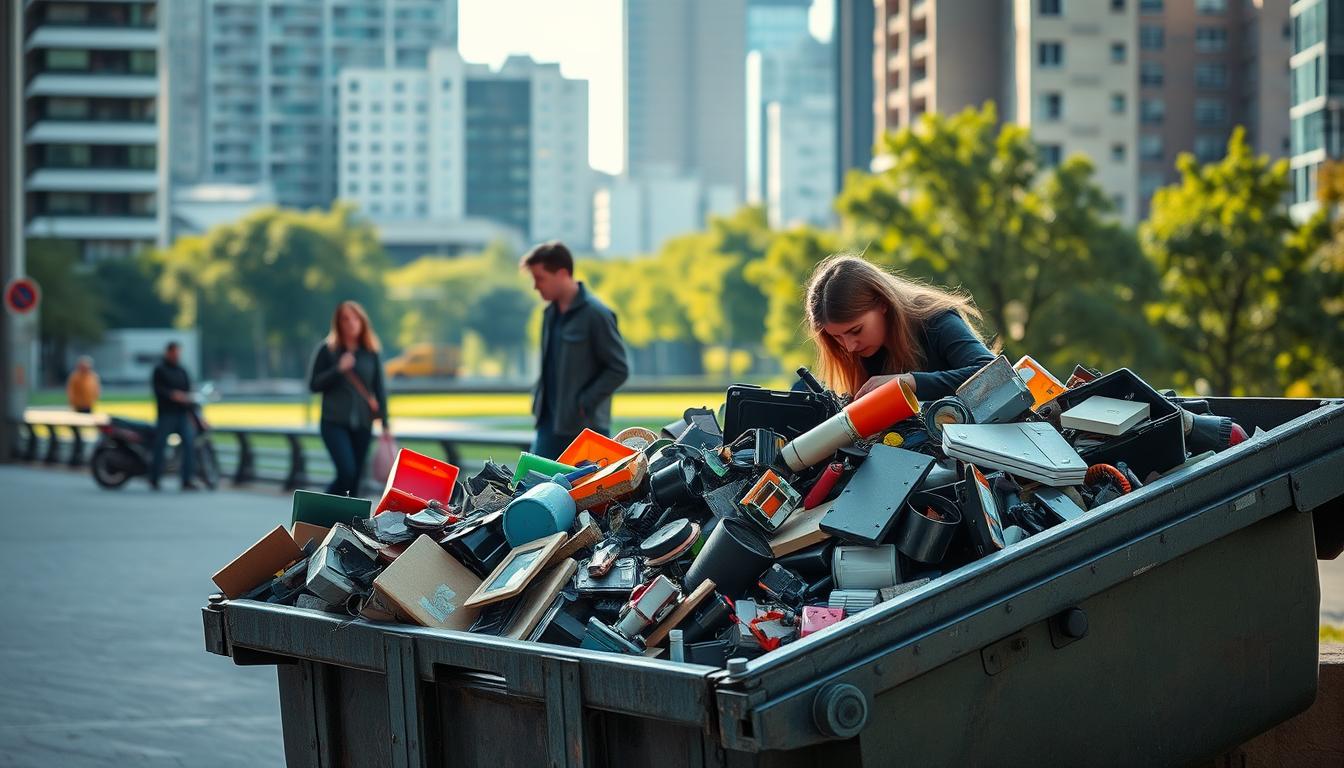
Waste Management Solutions have become increasingly important as our society grapples with growing environmental concerns. Dumpster diving, the practice of salvaging usable items from commercial and residential waste containers, represents one innovative approach to addressing waste reduction challenges.
This method of resource recovery not only helps divert materials from landfills but also promotes sustainable consumption patterns. By rescuing food, electronics, furniture, and other valuable items that would otherwise contribute to environmental degradation, dumpster diving serves as both a practical waste reduction strategy and a form of environmental activism.
TL;DR
- Dumpster diving can divert up to 40% of salvageable items from reaching landfills annually.
- Supermarkets now donate over 3 billion pounds of surplus food yearly through waste reduction programs.
- Legal dumpster diving is permitted in most states once trash reaches public property or curbside.
- Communities practicing organized dumpster diving report 25-30% reductions in local food insecurity.
Waste Management Solutions Through Resource Recovery
Modern waste management solutions must address the staggering amount of usable materials discarded daily. According to the Environmental Protection Agency, Americans generate over 292 million tons of municipal solid waste annually. Dumpster diving tackles this problem by intercepting items before they reach landfills, creating a direct impact on waste stream reduction.
The practice works by identifying locations where valuable discarded items concentrate. Finding prime dumpster locations requires understanding commercial waste cycles and disposal patterns.
Environmental Benefits of Resource Recovery
- Landfill Diversion – Reduces the volume of waste requiring disposal in landfills.
- Resource Conservation – Extends the useful life of manufactured goods and materials.
- Carbon Footprint Reduction – Decreases demand for new production and transportation.
- Pollution Prevention – Prevents harmful materials from contaminating soil and water.
How Dumpster Diving Supports Sustainable Practices
Sustainable waste management requires rethinking our relationship with discarded materials. Dumpster diving demonstrates how items labeled as “waste” often retain significant value and functionality.
The practice aligns with circular economy principles by keeping materials in use longer. Understanding how dumpster diving contributes to sustainability reveals its role in creating closed-loop resource systems.
Community Impact and Social Benefits
Beyond environmental advantages, dumpster diving creates meaningful social impacts. Communities that embrace organized resource recovery often experience reduced food insecurity and strengthened social connections.
- Food Security. Salvaged food items help feed families facing economic hardship while reducing overall food waste.
- Community Building. Shared resource recovery activities foster cooperation and mutual support among participants.
- Education. The practice raises awareness about consumption patterns and waste generation in local communities.
Safety First
Following proper safety protocols ensures productive and risk-free resource recovery activities.
Legal Considerations and Best Practices
Understanding legal boundaries helps practitioners engage in responsible resource recovery. Most jurisdictions permit dumpster diving once discarded items reach public property or designated collection areas.
However, trespassing laws and property rights vary significantly by location. Research local regulations before beginning any resource recovery activities to avoid legal complications.
Responsible Diving Guidelines
- Respect Property Rights – Never enter private property or locked enclosures without permission.
- Leave No Trace – Clean up after yourself and avoid creating messes or disturbances.
- Safety Equipment – Use gloves, flashlights, and appropriate clothing for protection.
- Time Awareness – Consider timing advantages for both safety and effectiveness.
The Role of Retail in Waste Reduction
Major retailers have increasingly adopted comprehensive waste reduction strategies that affect resource recovery opportunities. Organizations like Feeding America work with supermarkets to partner with food banks and charitable organizations to redistribute surplus inventory before disposal.
These partnerships significantly reduce the amount of usable food reaching dumpsters. While this limits traditional diving opportunities, it represents positive progress toward systematic waste reduction.
Corporate Waste Reduction Initiatives
| Initiative Type | Impact on Waste Stream | Community Benefit |
|---|---|---|
| Food Bank Partnerships | 30-40% reduction in food waste | Increased food security for vulnerable populations |
| Imperfect Produce Programs | 25% reduction in cosmetic food waste | Lower-cost fresh produce options |
| Employee Take-Home Programs | 15% reduction in daily surplus | Staff benefits and waste awareness |
Getting Started with Resource Recovery
New practitioners should begin with research and preparation. Following a structured approach increases success rates while maintaining safety and legal compliance.
Start by identifying suitable locations and understanding local waste collection schedules. Many communities have informal networks of experienced divers willing to share knowledge with newcomers.
Essential Preparation Steps
- Research Local Laws. Understand what activities are permitted in your area and respect all property boundaries.
- Gather Safety Equipment. Invest in proper gloves, flashlights, and protective clothing before your first outing.
- Plan Your Route. Identify multiple locations and optimal timing for safe and productive resource recovery.
- Connect with Community. Find local groups or experienced practitioners who can provide guidance and support.
Articles You May Like
Frequently Asked Questions
Is dumpster diving legal in most areas?
Yes, dumpster diving is generally legal once trash reaches public property or curbside collection areas, though local laws vary by jurisdiction.
What safety precautions should I take when dumpster diving?
Always wear protective gloves, use flashlights in dark areas, avoid diving alone, and never enter private property or locked containers.
How does dumpster diving help the environment?
It diverts usable materials from landfills, reduces demand for new production, and demonstrates the value in discarded items.
Why are there fewer good finds in dumpsters now?
Retailers have improved their waste reduction programs, donating more surplus items to charities and food banks before disposal.
Final Thoughts
Waste Management Solutions like dumpster diving continue to play an important role in environmental conservation and community support. While changing retail practices have reduced traditional opportunities, the core principles of resource recovery remain valuable for sustainable living.
Whether practiced individually or as part of organized community efforts, resource recovery demonstrates how creative approaches can address both environmental and social challenges simultaneously.