Advocating For Change How Dumpster Diving Supports Environmental Causes starts with understanding that this practice goes far beyond simply searching through waste containers. Dumpster diving has become a powerful form of environmental activism that directly challenges our throwaway culture while addressing pressing issues like food waste and overconsumption.
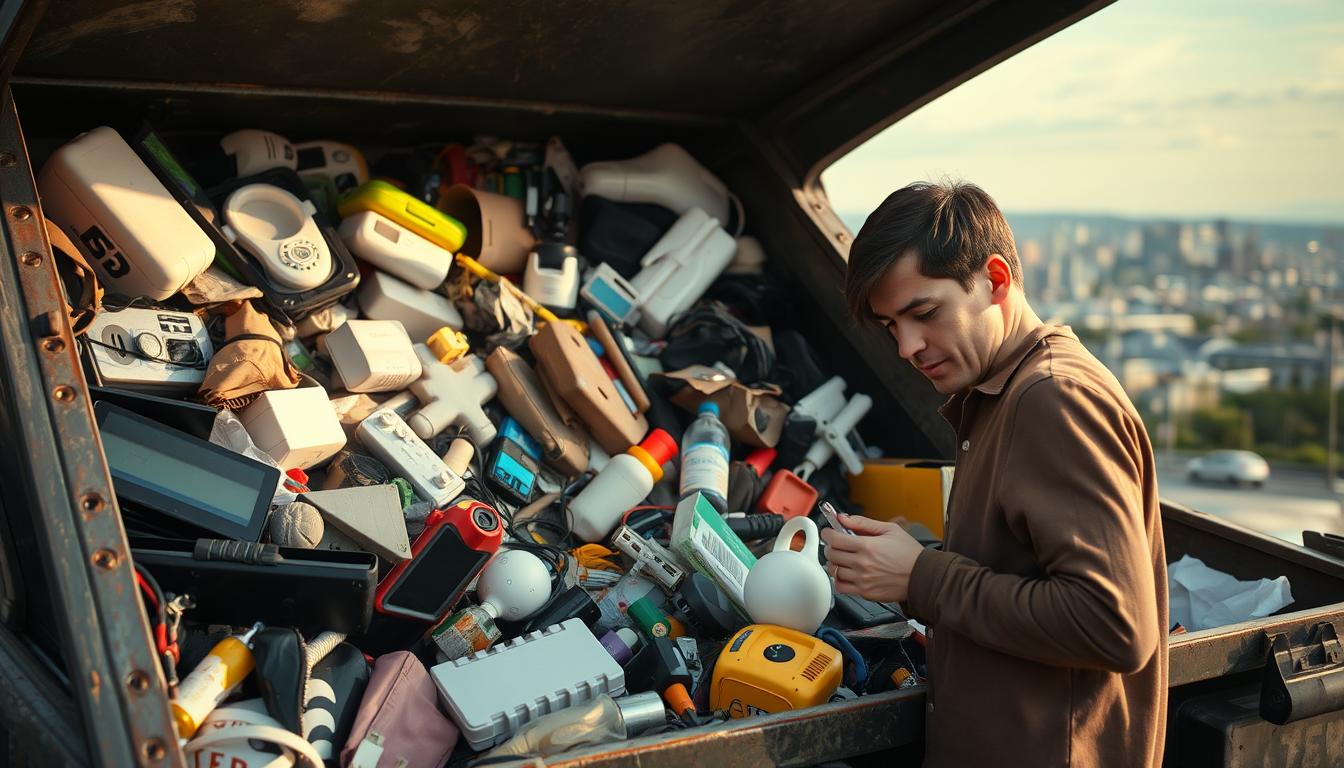
Every day, millions of pounds of perfectly usable items end up in dumpsters across America, from food that’s still safe to eat to electronics that work fine. When people engage in dumpster diving, they’re not just finding free stuff – they’re making a statement about waste and taking direct action to reduce environmental harm.
TL;DR
- 40% of all food produced in America gets thrown away, with dumpster divers reclaiming thousands of pounds weekly.
- Retail stores discard $300 billion worth of merchandise annually, much of it still functional and sellable.
- One active dumpster diver can prevent 2,000+ pounds of waste from reaching landfills each year.
- Dumpster diving communities have successfully lobbied for 15+ city ordinances protecting waste recovery rights.
Advocating For Change How Dumpster Diving Supports Environmental Causes
Dumpster diving serves as both a practical solution and a form of protest against wasteful business practices. When someone pulls perfectly good food from a grocery store dumpster, they’re demonstrating how much waste our system creates unnecessarily.
This practice highlights the disconnect between corporate policies and environmental responsibility. Many stores throw out items due to minor cosmetic issues, approaching expiration dates, or simple overstocking rather than donating or reducing prices.
Direct Environmental Impact
The environmental benefits of dumpster diving extend far beyond individual actions. Each recovered item represents resources saved – the water used to grow food, energy spent in manufacturing, and transportation costs already invested.
When dumpster divers rescue items, they prevent methane emissions that would occur as organic waste decomposes in landfills. Methane is 25 times more potent than carbon dioxide as a greenhouse gas, making food rescue particularly important for climate action.
Building Awareness Through Action
Dumpster diving creates conversations that might not happen otherwise. When people see others successfully living off discarded items, it forces them to confront uncomfortable truths about waste in their own lives.
Social media has amplified this awareness, with dumpster divers sharing photos and videos of their finds. These posts reach millions of people, showing them exactly what gets thrown away and challenging assumptions about “garbage.”
Community Education Efforts
Many dumpster diving advocates organize educational events to teach others about waste reduction. These workshops cover safety practices while also explaining the environmental impact of common disposal practices.
Participants learn about food expiration date myths, planned obsolescence in electronics, and how marketing drives unnecessary consumption. This education helps people make more informed decisions about their own purchasing and disposal habits.
Challenging Corporate Waste Policies
Dumpster divers often become vocal critics of wasteful corporate policies, using their firsthand experience to advocate for change. They document what companies throw away and pressure them to adopt better practices.
Some successful campaigns have convinced retailers to donate more food to charities or reduce packaging waste. The visibility of dumpster diving makes it harder for companies to ignore their waste problems.
Legal Advocacy and Policy Change
Experienced dumpster divers work to change local laws that criminalize waste recovery or make food donation difficult. They attend city council meetings, write letters to representatives, and organize petition drives.
These efforts have led to “Good Samaritan” food donation laws in many states, protecting businesses that donate food from liability concerns. Such policy changes make it easier for companies to avoid waste in the first place.
Start Your Own Advocacy
Document what you find during dives and share it respectfully on social media with facts about waste statistics. Use your discoveries to start conversations about consumption habits with friends and family.
Creating Sustainable Communities
Dumpster diving fosters communities built around sharing, reusing, and mutual aid rather than constant consumption. Members share information about productive locations, coordinate group dives, and distribute finds to those in need.
These communities demonstrate alternative ways of meeting needs without contributing to environmental destruction. They show that abundance is possible through recovery and sharing rather than endless production.
Food Security and Environmental Justice
Many dumpster divers focus on food waste recovery as a way to address both environmental and social issues. They redistribute rescued food to food banks, homeless shelters, and families facing food insecurity.
This work highlights how environmental and social justice issues connect – the same system that wastes resources also creates artificial scarcity for vulnerable populations. Dumpster diving addresses both problems simultaneously.
Inspiring Broader Lifestyle Changes
People who start dumpster diving often make other environmental changes in their lives. They become more conscious consumers, buy less new stuff, and look for ways to repair rather than replace items.
This ripple effect extends to others in their social circles. Friends who see successful dumpster diving start questioning their own consumption patterns and looking for ways to reduce waste.
Redefining Value and Success
Dumpster diving challenges cultural messages about needing the newest, best, or most expensive items. It shows that satisfaction and security can come from resourcefulness rather than purchasing power.
This shift in values supports broader environmental goals by reducing demand for new production and encouraging appreciation for existing resources. It offers a practical alternative to consumer culture’s emphasis on constant acquisition.
Working With Environmental Organizations
Many environmental groups partner with dumpster diving communities to amplify their message about waste reduction. These collaborations combine grassroots action with organized advocacy for maximum impact.
Joint initiatives include waste audits of local businesses, campaigns for better recycling programs, and educational events about sustainable living practices. The combination of data and direct action makes arguments for change more compelling.
Frequently Asked Questions
Is dumpster diving really effective for environmental change?
Yes, dumpster diving prevents thousands of pounds of waste from reaching landfills while raising awareness about overconsumption and corporate waste practices.
How do dumpster divers advocate for policy changes?
They document corporate waste, attend city council meetings, organize petition drives, and work with environmental groups to push for better waste reduction laws.
Can one person’s dumpster diving really make a difference?
Individual action creates ripple effects – one diver influences friends and family to reduce waste while demonstrating practical alternatives to constant consumption.
What’s the connection between dumpster diving and social justice?
Dumpster diving addresses both environmental waste and food insecurity by redistributing discarded but useful resources to communities in need.
Final Thoughts
Advocating For Change How Dumpster Diving Supports Environmental Causes demonstrates that individual actions can challenge systemic problems while creating practical solutions. This practice combines direct environmental benefits with community education and policy advocacy.
Whether you dive yourself or simply support waste reduction efforts, the movement shows how grassroots activism can address complex environmental challenges through hands-on action and community organizing.