
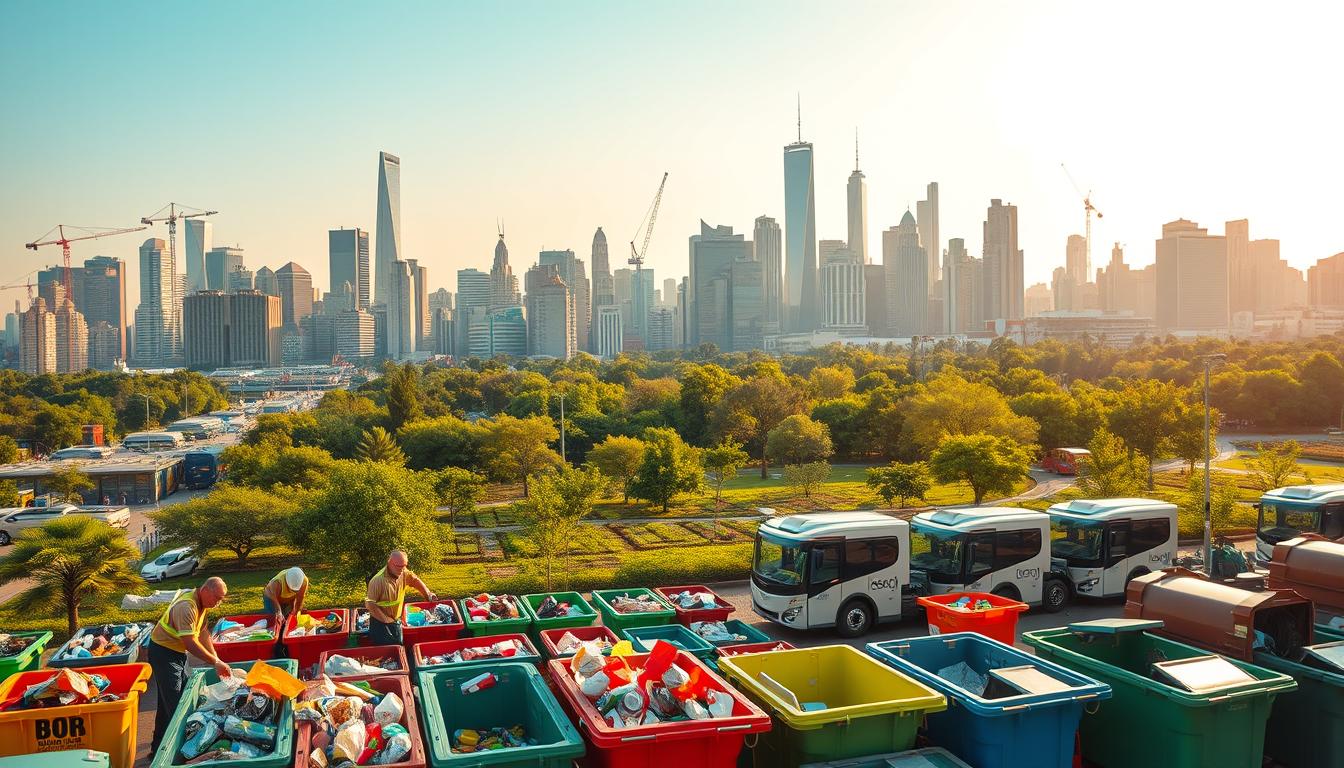
Dumpster Diving And The Circular Economy represents a powerful approach to waste reduction that’s gaining attention across the country. This practice connects traditional scavenging with modern sustainability principles to create real environmental impact.
By recovering items from waste streams before they reach landfills, dumpster divers actively participate in circular economy practices that keep materials in use longer. This grassroots movement demonstrates how individual actions can support broader environmental goals while providing practical benefits for participants.
TL;DR
- Dumpster diving prevents an estimated 40% of recovered items from reaching landfills, directly supporting waste reduction goals.
- The practice extends product lifecycles by an average of 2-5 years through repair, refurbishment, and resale activities.
- Food recovery through dumpster diving can save families $200-400 monthly on grocery expenses while reducing food waste.
- Electronics and furniture recovered from dumpsters create a secondary market worth millions annually in avoided manufacturing costs.
Dumpster Diving And The Circular Economy Connection
The circular economy model focuses on keeping resources in use for as long as possible, extracting maximum value before recovery and regeneration. Dumpster diving fits perfectly into this framework by intercepting discarded items before they become permanent waste.
This practice challenges the traditional linear economy model of “take, make, dispose” by creating a recovery loop at the disposal stage. When divers find usable items in dumpsters, they’re essentially performing the “regenerate” function that circular economies depend on.
Breaking the Waste Cycle
Traditional waste management follows a straight line from production to landfill. Dumpster diving creates a detour in this process by recovering items that still have functional value.
The impact extends beyond individual finds – it demonstrates that many “waste” items retain significant utility. This awareness can influence both consumer behavior and business disposal practices over time.
Environmental Benefits of Recovery Diving
Every item recovered from a dumpster represents avoided environmental costs. Manufacturing new products requires raw materials, energy, and transportation – all of which create carbon emissions and environmental impact.
When divers recover and reuse items, they’re preventing these upstream environmental costs from occurring. A single recovered piece of furniture, for example, saves the trees, energy, and chemicals needed to manufacture a replacement.
Landfill Diversion Impact
Landfills create methane emissions as organic materials decompose without oxygen. By diverting items from this waste stream, dumpster diving helps reduce these greenhouse gas emissions directly.
The practice also reduces the need for new landfill space, which protects natural habitats from development. Every ton of material recovered represents space saved in these disposal facilities.
Resource Conservation
Manufacturing new products consumes natural resources like water, minerals, and energy. Recovery diving helps conserve these resources by extending the useful life of existing materials.
This conservation effect multiplies when recovered items are shared, sold, or donated to others. One recovered item might serve multiple users throughout its extended lifecycle.
Types of Valuable Recoveries
Different categories of recovered items provide varying levels of environmental and economic benefit. Understanding these categories helps divers focus their efforts on the most impactful recoveries.
Food Recovery
Food waste represents one of the most significant opportunities for environmental impact. Grocery stores and restaurants often discard items that are still safe to consume due to approaching sell-by dates or cosmetic imperfections.
- Produce – Fruits and vegetables with minor blemishes or near expiration dates
- Packaged goods – Items with damaged packaging but intact contents
- Bakery items – Day-old bread, pastries, and baked goods
- Dairy products – Items approaching but not past actual expiration dates
Food recovery requires careful safety assessment, but it can provide substantial household savings while reducing methane-producing organic waste in landfills.
Electronics and Technology
Electronic waste contains valuable metals and components that are energy-intensive to produce. Recovering working electronics prevents both resource waste and toxic materials from entering landfills.
- Computers and laptops – Often discarded for minor issues or software problems
- Mobile devices – Phones and tablets with cracked screens but functional internals
- Small appliances – Kitchen gadgets, tools, and household electronics
- Audio equipment – Speakers, headphones, and music devices
Even non-functional electronics contain valuable components that can be harvested for repair projects or proper recycling programs.
Safety First
Always test recovered electronics before use and never plug in water-damaged devices. Clean all recovered items thoroughly and check for recalls on any electronic products you plan to use or resell.
Furniture and Household Items
Furniture production involves significant resource consumption including timber, metals, and synthetic materials. Recovering discarded furniture provides immediate use value while avoiding manufacturing impacts.
- Wooden furniture – Tables, chairs, and storage pieces that can be refinished
- Fabric items – Cushions, curtains, and textiles for reupholstering projects
- Decorative objects – Artwork, vases, and home accessories
- Kitchen items – Cookware, dishes, and utensils in good condition
Many furniture items are discarded during moves or redecorating projects despite having years of useful life remaining. Simple repairs or refinishing can restore these items to full functionality.
Building Sustainable Practices
Effective participation in the circular economy through dumpster diving requires systematic approaches that maximize environmental benefit while maintaining safety and legality.
Location Strategy
Different types of businesses generate different waste streams, so strategic location selection improves recovery outcomes. Scouting the Best Dumpster Locations provides detailed guidance on identifying productive areas.
Commercial areas tend to produce higher volumes of potentially valuable discards compared to residential zones. Retail districts, office complexes, and light industrial areas often yield the most diverse recoveries.
Timing and Scheduling
Successful recovery diving depends on understanding waste pickup schedules and business disposal patterns. Most businesses empty dumpsters on regular schedules, creating predictable windows for recovery activities.
Evening and early morning hours typically provide the freshest discards with the least disruption to business operations. Nighttime vs. Daytime Dumpster Diving explores the advantages and challenges of different timing approaches.
Safety and Legal Compliance
Responsible participation requires understanding local regulations and maintaining personal safety standards. Dumpster Diving Safety Essentials covers protective equipment and safe practices.
Legal compliance varies by location, but generally focuses on avoiding trespassing and respecting private property rights. Public dumpsters typically allow legal access, while private property requires permission or creates legal risks.
Community Impact and Sharing
The circular economy benefits multiply when recovered materials are shared with others rather than hoarded individually. Community sharing networks amplify the environmental benefits of recovery diving.
Redistribution Networks
Recovered items often benefit other community members more than the original finder. Creating informal sharing networks helps match recoveries with actual needs.
Social media groups, community boards, and local organizations provide platforms for connecting recoveries with people who can use them. This distribution system maximizes the utility of each recovered item.
Educational Opportunities
Dumpster diving experiences provide powerful examples of waste streams and consumption patterns. Sharing these insights helps raise awareness about environmental issues and circular economy principles.
Documenting and discussing findings helps others understand the scope of recoverable waste in their communities. This awareness can influence purchasing decisions and waste disposal practices.
Articles You May Like
Frequently Asked Questions
How does dumpster diving support the circular economy?
Dumpster diving intercepts materials before they become permanent waste, extending product lifecycles and keeping resources in productive use. This directly supports circular economy principles by preventing waste and reducing demand for new manufacturing.
What environmental benefits does dumpster diving provide?
The practice reduces landfill waste, prevents methane emissions from decomposing materials, and conserves the natural resources and energy needed to manufacture replacement items. Each recovered item represents avoided environmental costs.
Is dumpster diving legal in most areas?
Legality varies by location but generally depends on property ownership and local ordinances. Public dumpsters typically allow legal access, while private property may require permission or create trespassing risks.
What types of items are most valuable to recover?
Food items, electronics, furniture, and household goods offer the highest environmental impact and practical value. These categories represent significant manufacturing resources and have immediate use potential for most people.
How can communities maximize the benefits of recovery diving?
Sharing networks and redistribution systems help match recovered items with people who need them. Community education about waste streams and circular economy principles amplifies the environmental awareness benefits.
Final Thoughts
Dumpster Diving And The Circular Economy demonstrates how individual actions can create meaningful environmental impact through practical waste reduction. This approach transforms discarded materials back into productive resources while building awareness about consumption patterns.
The practice offers both immediate benefits and long-term environmental value for participants and communities. Starting with basic safety practices and legal compliance creates a foundation for sustainable participation in this growing movement.


