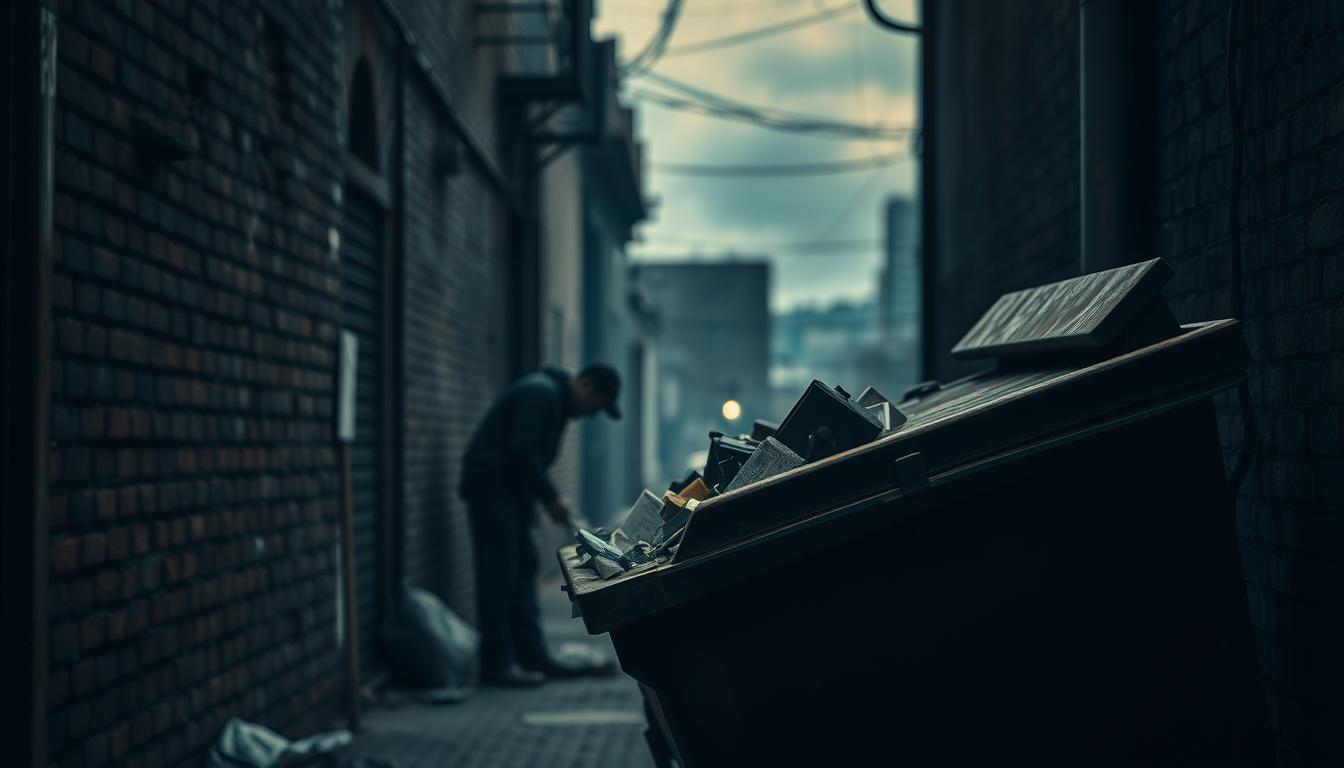
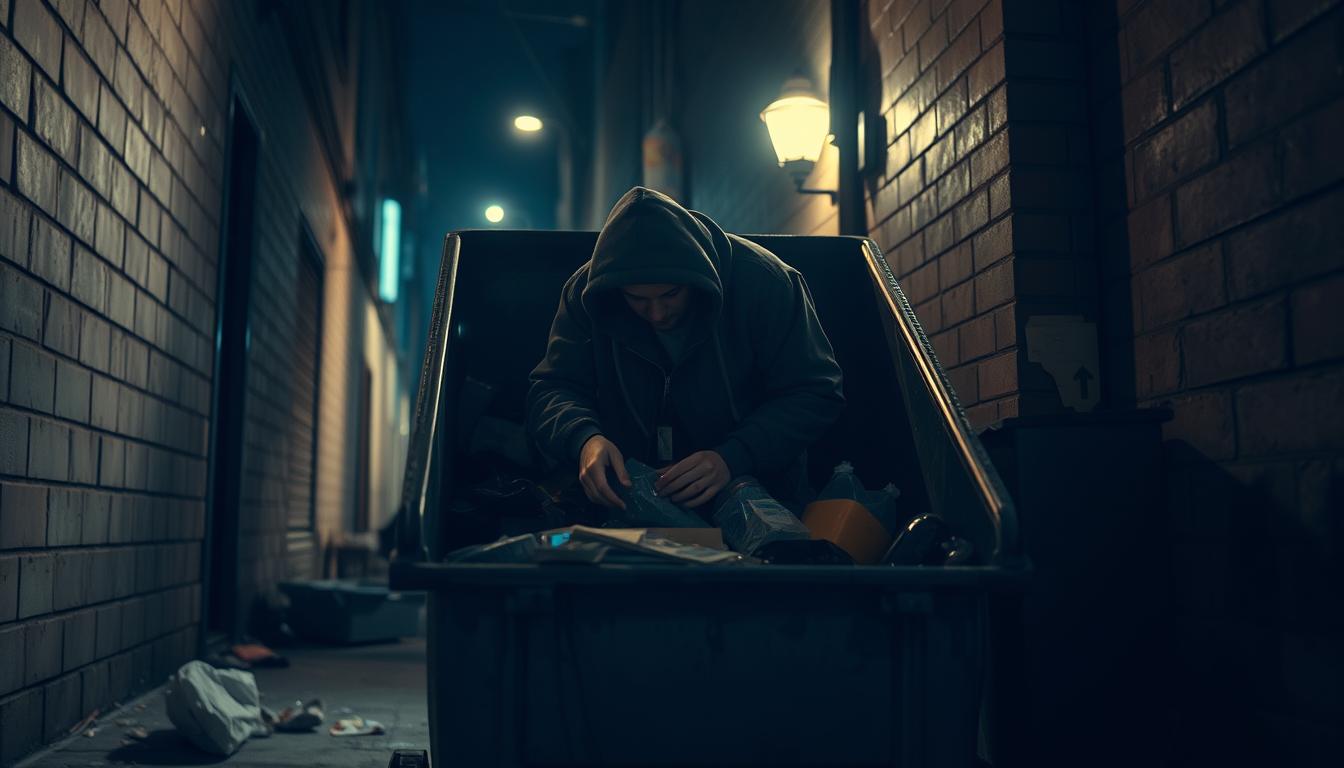
The Art of Dumpster Diving offers a unique way to find free items while reducing waste and living more sustainably. This practice involves searching through discarded materials to discover valuable treasures that others have thrown away.
Before diving into your first expedition, it’s essential to understand the legal landscape and safety requirements in your area. Many cities have specific regulations about accessing dumpsters, so research your local laws to avoid potential legal issues.
TL;DR
- Early morning hours between 5-7 AM offer the best finds before garbage trucks arrive.
- Wear protective gear including gloves, long sleeves, closed-toe shoes, and bring a flashlight.
- College dorms during move-out weeks yield up to 80% more valuable items than regular times.
- Supermarkets discard $165 billion worth of edible food annually, making them prime diving locations.
The Art of Dumpster Diving Basics
Understanding the fundamentals helps you dive safely and effectively. The practice requires proper timing, equipment, and knowledge of the best locations to maximize your success.
Start by checking your local regulations since laws vary significantly between cities and states. Some areas allow diving on public property but prohibit it on private land, while others have stricter rules.
Essential Safety Equipment
Safety should always be your top priority when dumpster diving. Proper gear protects you from potential hazards and unsanitary conditions.
- Protective clothing – Long sleeves, pants, and closed-toe shoes prevent cuts and scrapes.
- Heavy-duty gloves – Protect your hands from sharp objects and contaminated materials.
- Flashlight or headlamp – Essential for visibility in dark dumpsters and early morning diving.
- Plastic bags or containers – Store your finds safely and keep items organized.
- Hand sanitizer – Clean your hands immediately after diving sessions.
Prime Dumpster Diving Locations
Different locations offer various types of treasures depending on what you’re seeking. Understanding where to look increases your chances of finding valuable items.
Grocery Stores and Supermarkets
Supermarkets regularly discard perfectly good food that’s approaching expiration dates or has minor cosmetic damage. Focus on sealed packages, canned goods, and produce that’s still fresh.
The best times to check grocery store dumpsters are late evening after closing or early morning before opening. Many stores have specific days when they clear out expired inventory.
College Campuses
Student housing areas become goldmines during move-out periods, typically at the end of spring semester. You’ll find furniture, electronics, clothing, and textbooks that students can’t take home.
Target dormitories, apartment complexes near campus, and areas around fraternity or sorority houses. Move-out week often yields the most valuable finds as students rush to clear their rooms.
Residential Areas with Renovations
Construction and renovation sites offer building materials, fixtures, and sometimes furniture. Look for dumpsters in neighborhoods undergoing home improvements or new construction projects.
These locations often contain lumber, tiles, hardware, and architectural elements that can be repurposed for DIY projects. Always ensure you have permission before taking items from private property.
Best Timing Strategy
Schedule your diving trips for early morning hours between 5-7 AM when dumpsters are fullest and before garbage collection begins. This timing also reduces the likelihood of encountering other people.
What You Can Discover
Dumpster diving reveals a surprising variety of useful items that people discard for various reasons. Understanding what to look for helps you identify valuable finds quickly.
Food and Consumables
Grocery stores and restaurants discard enormous amounts of edible food daily. According to the FDA, significant amounts of safe food are wasted throughout the supply chain. Look for sealed packages, canned goods, and fresh produce with minor blemishes that don’t affect safety or taste.
Avoid dairy products, meat, seafood, and anything that requires refrigeration unless you can verify it’s still cold and fresh. Check expiration dates carefully and trust your judgment about food safety.
Electronics and Technology
Electronic stores, offices, and residential areas often contain working devices that people replace with newer models. Common finds include televisions, computers, phones, and various cables or accessories.
Test electronics before taking them home when possible, or at least inspect them for obvious damage. Many discarded electronics just need simple repairs or battery replacements to function properly.
Furniture and Home Goods
People frequently discard furniture during moves, renovations, or lifestyle changes. Look for solid wood pieces, metal frames, and items that can be easily cleaned or refinished.
Check furniture thoroughly for structural integrity and signs of pest damage before bringing items home. A little cleaning and minor repairs can restore many discarded pieces to excellent condition.
Legal Considerations and Ethics
Understanding the legal framework around dumpster diving protects you from potential legal issues and helps you practice ethically. Laws vary significantly between locations, so research your specific area thoroughly.
Most areas consider items in dumpsters on public property to be abandoned and legally available for collection. However, dumpsters on private property may be off-limits, and some cities prohibit the practice entirely.
For detailed information about regulations in specific states, check our guides on California dumpster diving laws and Texas regulations to understand your local legal landscape.
Respectful Diving Practices
Practicing good etiquette ensures the activity remains accessible and doesn’t create problems for property owners or other divers. Follow these guidelines to be a responsible diver.
- Leave no trace. Clean up any mess you make and leave the area better than you found it.
- Don’t be greedy. Take only what you can actually use and leave items for others who might need them.
- Respect private property. Stay off private property and don’t damage locks, fences, or other barriers.
- Be discreet. Avoid drawing attention to yourself or creating disturbances that might lead to restrictions.
Building Your Diving Skills
Developing expertise takes time and practice, but certain strategies help you become more efficient and successful. Start with easier locations and gradually expand your diving territory as you gain experience.
Keep a mental or written log of productive locations, timing patterns, and seasonal variations in what’s available. This information helps you plan more effective diving trips and avoid wasting time on unproductive areas.
Our comprehensive step-by-step beginner’s guide provides detailed instructions for planning and executing your first diving expedition safely.
Seasonal Considerations
Different times of year offer unique opportunities for finding specific types of items. Spring cleaning season, back-to-school periods, and holiday seasons each create different diving conditions.
College areas are most productive during semester transitions, while residential areas yield more during spring cleaning months. Retail locations often have increased inventory turnover during holiday seasons.
Safety Protocols
Developing consistent safety habits protects you from injury and illness while diving. The Centers for Disease Control and Prevention emphasizes the importance of protective equipment when handling waste materials. Never dive alone, especially in unfamiliar areas or during late hours when visibility is limited.
For comprehensive safety information, read our detailed guide on essential safety practices that covers everything from protective equipment to emergency procedures.
Articles You May Like
Frequently Asked Questions
Is dumpster diving legal everywhere?
No, laws vary significantly between cities and states. Some areas allow diving on public property while others prohibit it entirely, so research your local regulations before starting.
What’s the best time to go dumpster diving?
Early morning hours between 5-7 AM typically offer the best results since dumpsters are fullest and garbage trucks haven’t arrived yet. This timing also provides more privacy.
Is it safe to eat food found in dumpsters?
Only consume sealed, unexpired food items that haven’t been exposed to contaminants. Avoid dairy, meat, seafood, and anything requiring refrigeration unless you can verify freshness.
What equipment do I need for dumpster diving?
Essential gear includes protective clothing, heavy-duty gloves, a flashlight, plastic bags or containers, and hand sanitizer. Proper equipment keeps you safe and organized during diving sessions.
Final Thoughts
The Art of Dumpster Diving opens up opportunities to find valuable items while supporting environmental sustainability through waste reduction. With proper preparation, legal knowledge, and safety practices, you can explore this rewarding activity successfully.
Start with familiar locations in your area and gradually expand your diving territory as you gain confidence and experience. Remember that patience and persistence are key to finding the best treasures.