Beginner Dumpster Diving Blunders can turn an exciting treasure hunt into a disappointing or dangerous experience. New divers often rush in without proper preparation, leading to safety risks and poor results.
Learning from these common mistakes helps you start your dumpster diving journey on the right foot. With the right knowledge and preparation, you can avoid the pitfalls that trip up most beginners.
TL;DR
- Research store schedules and policies before diving – most stores dispose of items on specific days between 7-10 PM.
- Wear puncture-resistant gloves and closed-toe boots to prevent cuts from broken glass and sharp metal.
- Target high-yield locations like electronics stores, pharmacies, and office supply stores for the best finds.
- Plan storage space for items before diving – successful divers process 80% of finds within 48 hours.
Beginner Dumpster Diving Blunders You Must Avoid
New dumpster divers make predictable mistakes that waste time and create unnecessary risks. These errors stem from excitement overriding common sense and proper planning.
Understanding these blunders before your first dive sets you up for better results and safer experiences. Most successful divers learned these lessons the hard way, but you don’t have to.
Research and Planning Mistakes
Diving without research is the biggest mistake beginners make. You need to know what stores throw away, when they do it, and what their policies are.
Successful divers spend hours researching before making their first dive. They study store schedules, local laws, and seasonal patterns that affect what gets discarded.
Poor Location Selection
Not all dumpsters are created equal. Chain restaurants and grocery stores often yield expired but edible food, while electronics stores may have damaged but repairable gadgets.
Office buildings and apartment complexes can be goldmines for furniture and electronics. However, residential areas often have strict trespassing laws that make diving risky.
- High-yield locations – Electronics stores, pharmacies, office supply stores
- Moderate-yield locations – Grocery stores, restaurants, retail chains
- Low-yield locations – Gas stations, fast food chains, small businesses
Timing Errors
Showing up at the wrong time means missing the best finds. Most stores follow predictable disposal schedules based on delivery days and inventory cycles.
The best diving times are typically evening hours between 7-10 PM when stores close and dispose of daily waste. Weekend mornings can also be productive after busy shopping periods.
Safety and Equipment Failures
Beginners often underestimate the safety risks involved in dumpster diving. Sharp objects, hazardous materials, and unsanitary conditions pose real dangers without proper protection.
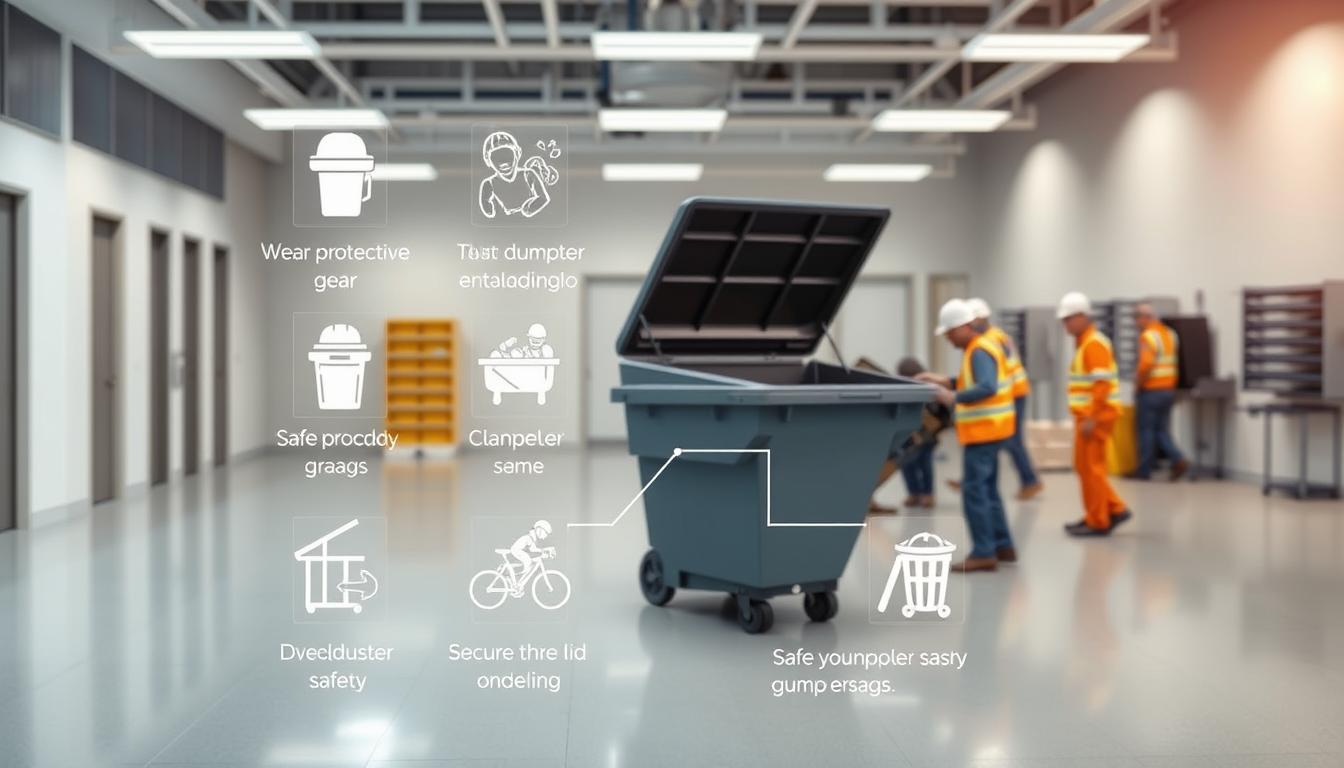
The right equipment protects you and makes diving more efficient. Safety essentials for dumpster diving include protective gear that prevents most common injuries.
Essential Equipment Mistakes
Many beginners dive empty-handed or with inadequate tools. You need specific equipment to dive safely and effectively.
Basic equipment includes puncture-resistant gloves, a reliable flashlight, and sturdy bags for carrying finds. Advanced divers also carry grabbers for reaching items and first-aid supplies for minor injuries.
- Protective gear. Heavy-duty gloves, closed-toe boots, and eye protection prevent most injuries.
- Lighting equipment. Headlamps and flashlights help you see clearly in dark containers.
- Collection tools. Sturdy bags, grabbers, and containers help you gather finds efficiently.
- Safety supplies. First-aid kit, hand sanitizer, and clean water for emergencies.
Inappropriate Clothing Choices
Wearing the wrong clothes can ruin a diving trip. Flip-flops, shorts, and light shirts offer no protection against sharp objects or contaminated surfaces.
Long pants, closed-toe shoes, and long sleeves protect your skin from cuts and contamination. Dark colors hide stains better than light colors during messy dives.
Storage Planning Tip
Plan your storage space before diving, not after. Successful divers clean and sort finds within 24-48 hours to prevent odors and deterioration.
Legal and Social Mistakes
Ignoring local laws and property rights creates serious problems for divers. What’s legal in one area may be trespassing in another.
Many beginners assume dumpster diving is always legal, but laws vary widely by location. Some cities ban it entirely, while others allow it with restrictions.
Property Rights Violations
Dumpsters on private property require permission to access legally. Even dumpsters near public sidewalks may sit on private land with strict access rules.
Always check property boundaries and posted signs before diving. When in doubt, ask permission from property owners or managers to avoid trespassing charges.
Disturbing the Peace
Making noise, leaving messes, or diving during inappropriate hours creates problems with neighbors and authorities. Respectful diving helps maintain access for everyone.
Ethical dumpster diving practices include cleaning up after yourself and being courteous to others who may be affected by your activities.
Health and Food Safety Errors
Food safety mistakes can make you seriously ill. Not all discarded food is safe to eat, even if it looks fine.
Understanding expiration dates, storage requirements, and contamination risks helps you make better decisions about food finds. The FDA’s food safety guidelines apply to found food just as they do to purchased items.
Temperature Abuse
Frozen and refrigerated items lose their safety once they warm up. Dairy products, meat, and prepared foods spoil quickly without proper temperature control.
Only take temperature-sensitive items if you can verify they haven’t been sitting at unsafe temperatures. Room-temperature items like canned goods are generally safer choices.
Contamination Risks
Food can become contaminated by other waste in the dumpster. Chemicals, broken glass, or unsanitary conditions can make otherwise good food dangerous.
Package integrity matters more than expiration dates for many items. Damaged packages allow contamination even if the food inside was originally safe.
Post-Dive Processing Mistakes
Finding items is only half the battle – you also need to clean, sort, and store them properly. Many beginners get overwhelmed by their finds and let valuable items deteriorate.
Successful divers have systems for quickly processing finds. They clean items immediately, sort them by category, and decide quickly what to keep, sell, or donate.
Poor Storage Planning
Taking more than you can process leads to clutter and waste. Before diving, plan where you’ll store finds and how you’ll clean them.
Dedicate specific areas for cleaning, sorting, and storing finds. This prevents your home from becoming cluttered with unprocessed items.
Articles You May Like
Frequently Asked Questions
What are the most dangerous beginner mistakes in dumpster diving?
The most dangerous mistakes include diving without protective gear, ignoring safety hazards like sharp objects, and not researching local laws before starting.
How can beginners avoid legal trouble when dumpster diving?
Research local laws, respect property rights, get permission when needed, and avoid diving on private property without consent to stay within legal boundaries.
What equipment do beginners forget most often?
Beginners commonly forget puncture-resistant gloves, proper lighting, sturdy bags for carrying finds, and first-aid supplies for minor injuries.
When is the best time for beginners to start dumpster diving?
Evening hours between 7-10 PM when stores close and dispose of daily waste offer the best opportunities for beginners to find quality items.
How do beginners know which locations are worth diving?
Focus on electronics stores, pharmacies, and office supply stores for high-value finds, while avoiding low-yield locations like gas stations and small businesses.
Final Thoughts
Beginner Dumpster Diving Blunders are completely avoidable with proper preparation and knowledge. Taking time to research, plan, and equip yourself properly makes all the difference between success and disappointment.
Start with one well-planned dive using these guidelines rather than jumping in unprepared and learning through costly mistakes.