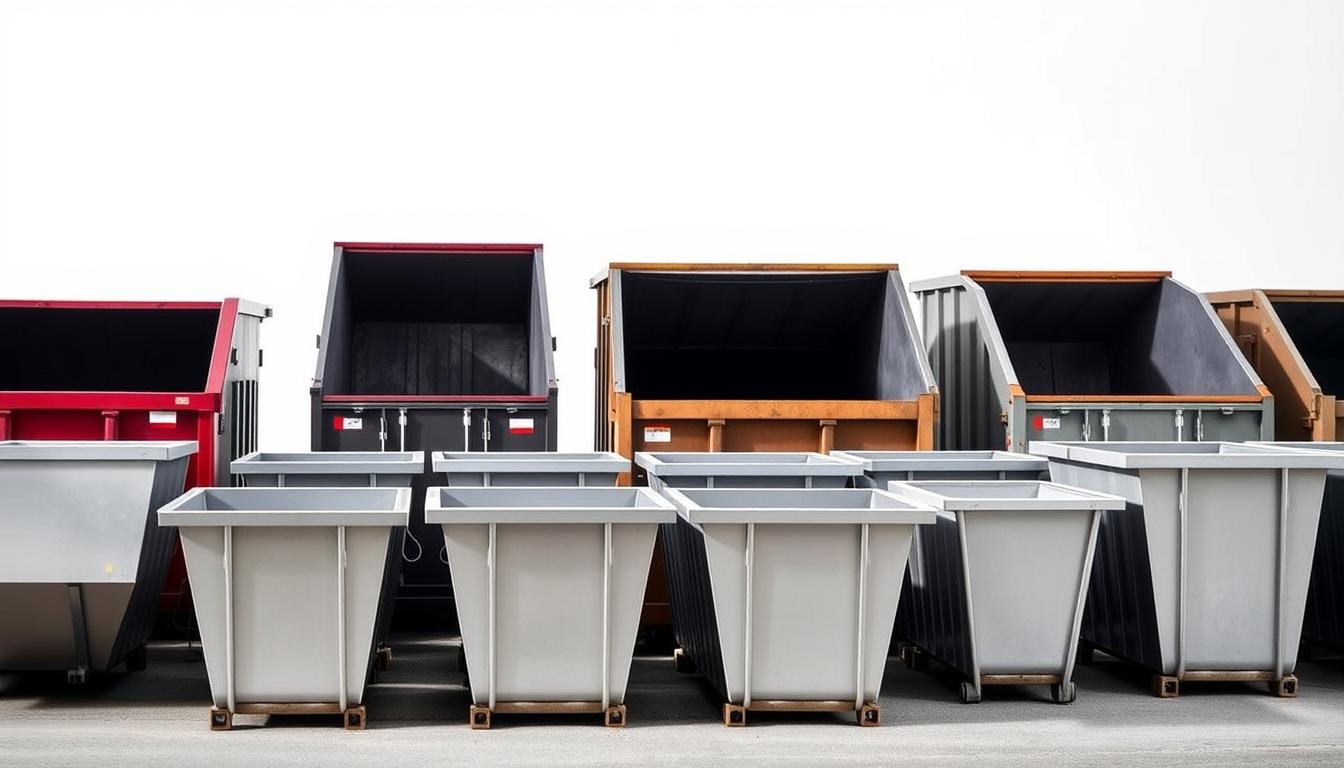
Dumpster Types Explained can help you understand which containers offer the best opportunities for finding valuable items. Different dumpster designs serve specific purposes, and knowing these differences helps you target the most promising locations for your diving adventures.
Each type of dumpster attracts different materials based on its intended use and location. Understanding these patterns lets you plan more effective diving routes and avoid wasting time on containers that rarely yield good finds.
TL;DR
- Front-load dumpsters at retail stores typically contain 2-8 cubic yards and offer the best access for valuable merchandise.
- Rear-load containers hold 20-40 cubic yards and are common behind grocery stores and restaurants with frequent food discards.
- Roll-off dumpsters range from 10-40 cubic yards and appear at construction sites with tools, materials, and equipment.
- Compactor units compress waste at 4:1 ratios, making items harder to retrieve but potentially more concentrated.
Dumpster Types Explained
The container type directly affects what you’ll find inside and how easy it is to access. Front-load dumpsters with hinged lids appear most often behind retail stores and offices, while larger rear-load containers serve restaurants and grocery stores.
Roll-off containers show up temporarily at construction sites and during major cleanouts. These temporary placements often contain the most valuable items since people discard functional items during moves, renovations, and business closures.
Front-Load Dumpsters
Front-load dumpsters feature hinged lids that open from the front, making them the easiest type to access safely. These containers typically measure 2, 4, 6, or 8 cubic yards and appear behind retail stores, offices, and small businesses.
The compact size means less digging through irrelevant waste to find good items. You’ll often discover returned merchandise, outdated inventory, and office supplies in these containers.
Common Locations and Finds
- Electronics stores – display models, returned items, and outdated accessories.
- Clothing retailers – seasonal overstock, damaged packaging, and sample items.
- Office buildings – functioning equipment, supplies, and furniture during moves.
- Pharmacies – cosmetics, toiletries, and non-prescription health items.
Rear-Load Containers
Rear-load dumpsters open from the back and hold 20-40 cubic yards of waste. These large containers serve high-volume businesses like grocery stores, restaurants, and shopping centers that generate significant daily waste.
The rear-loading design requires special trucks for emptying, so these containers stay in fixed locations longer than other types. Can You Dumpster Dive At Walmart covers specific strategies for approaching these larger retail containers safely.
What You’ll Find
- Grocery stores – produce past sell-by dates, dented cans, and bakery items.
- Restaurants – packaged foods, kitchen equipment, and supplies.
- Department stores – seasonal merchandise, damaged goods, and display materials.
Roll-Off Dumpsters
Roll-off containers are rectangular boxes delivered by special roll-off trucks for temporary use. They range from 10-40 cubic yards and appear at construction sites, home renovations, and major cleanouts.
These temporary containers often contain the most valuable finds since people discard functional items during major life changes. The open-top design makes inspection easy, but the large size means more searching through debris.
Best Times for Roll-Off Diving
Check roll-off containers in residential areas on weekends when people tackle home projects. End-of-month moves and seasonal cleanouts produce the best finds.
Prime Roll-Off Opportunities
- Estate cleanouts. Families clearing deceased relatives’ homes often discard valuable antiques, tools, and collectibles.
- Business relocations. Companies moving offices throw away functional furniture, electronics, and supplies.
- Home renovations. Homeowners discard working appliances, fixtures, and materials during upgrades.
- Foreclosure cleanouts. Property management companies clear abandoned homes quickly, discarding saleable items.
Compactor Units
Compactor dumpsters crush waste to reduce volume, typically achieving 4:1 compression ratios. Large retail chains and busy commercial areas use these units to manage high waste volumes efficiently.
The compression makes items harder to retrieve, but valuable goods sometimes survive the crushing process. These units require special safety considerations since the compaction mechanism can activate unexpectedly.
Safety Considerations
- Never enter compactor units – the crushing mechanism poses serious injury risks.
- Check from outside only – use tools to retrieve items near the opening.
- Look for bypass switches – some units have external safety shutoffs.
- Avoid during business hours – staff may activate compaction while you’re nearby.
Specialty Container Types
Some locations use specialized containers designed for specific waste types. Understanding these specialty units helps you identify unique opportunities and avoid dangerous situations.
Personal Safety Tips for Dumpster Divers provides detailed guidance for safely approaching any container type you encounter.
Medical Waste Containers
Red containers marked with biohazard symbols contain medical waste that requires special disposal. Never attempt to dive in these containers due to serious health risks from contaminated materials.
Recycling Containers
Blue containers designated for recycling often contain clean materials like cardboard, plastic, and metal. These containers may yield packaging materials useful for shipping found items or craft projects.
Organic Waste Bins
Green containers for compostable materials appear in areas with organic waste programs. These typically contain only food scraps and yard waste, offering limited value for most divers.
Container Placement Patterns
Understanding where different container types appear helps you plan efficient diving routes. Retail areas cluster front-load dumpsters, while industrial zones feature larger rear-load units.
Residential areas show more roll-off containers during moving seasons and home improvement periods. Scouting the Best Dumpster Locations explains how to identify high-potential areas systematically.
Seasonal Patterns
- Spring – roll-off containers increase during spring cleaning and moving season.
- Summer – construction dumpsters peak during prime building weather.
- Fall – retail dumpsters fill with seasonal merchandise transitions.
- Winter – fewer temporary containers but more holiday returns in retail dumpsters.
Articles You May Like
Frequently Asked Questions
Which dumpster type offers the best finds for beginners?
Front-load dumpsters behind retail stores provide the easiest access and most consistent finds. Their smaller size means less searching, and hinged lids offer safer entry points.
Are roll-off dumpsters legal to dive in?
Roll-off container legality follows the same rules as other dumpsters – check local laws and property ownership. Private property placement may restrict access even if dumpster diving is legal in your area.
How can I tell if a compactor unit is active?
Look for power connections, control panels, and warning lights on compactor units. If you see electrical connections or hear mechanical sounds, assume the unit is active and avoid it completely.
What tools help with different container types?
Grabbers work well for deep rear-load containers, while step ladders help reach into tall front-load units. Flashlights are essential for all container types, especially during evening hours.
Do container colors indicate specific waste types?
Color coding varies by location and waste company. Red typically means medical waste, blue often indicates recycling, and green suggests organic waste, but check with local waste management for area-specific systems.
Final Thoughts
Dumpster Types Explained help you target the most promising containers and avoid wasting time on low-value options. Front-load units offer easy access behind retail stores, while roll-off containers provide the biggest treasure hunting opportunities during temporary placements.
Start by identifying container types in your area and matching them to the kinds of finds you want. Understanding these differences will make your diving more efficient and profitable from the beginning.